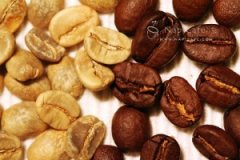
Brazilian Coffee Beans: What Makes Them Unique?
When you think of global coffee production, one country towers over the rest — Brazil. But what exactly makes Brazilian coffee so different? With more coffee trees than any other nation and a coffee culture built around volume and consistency, Brazilian beans shape the baseline flavor of countless blends. But there's more to it than just quantity. If you've ever sipped a smooth, low-acid cup and wondered where it came from, chances are it was Brazilian.
Brazil produces nearly 30% of the world’s coffee, with four states — Paraná, São Paulo, Minas Gerais, and Espírito Santo — contributing 98% of that total. Among them, Paraná leads with 50% of national output. Its beans are typically low in acidity, medium in body, and often used in espresso blends for their balance and sweetness.
What Is Brazilian Coffee?
The term 'Brazilian coffee' covers all beans grown in Brazil, the largest coffee-producing country in the world. Unlike washed or wet-processed beans common elsewhere, over 80% of Brazil’s coffee is processed using the natural (dry) or pulped natural (semi-washed) method, giving it distinctive sweetness and body. These beans are classified by both the state of origin and port of shipment, reflecting Brazil’s diverse growing regions.
Historically dubbed 'Brazils' to distinguish them from milder 'Milds', Brazilian beans are known for their mild acidity, creamy mouthfeel, and notes of nuts, chocolate, and cereals. They rarely have the bright, high-toned acidity found in African coffees, but make up for it with smoothness and approachability.
The Top Coffee-Producing States in Brazil
Out of Brazil’s 21 states, 17 grow coffee, but production is heavily concentrated:
- Paraná: Produces 50% of Brazil’s coffee, the single largest share.
- São Paulo: Historically significant, still a major contributor.
- Minas Gerais: Home to the renowned Cerrado region and old Bourbon varieties.
- Espirito Santo: Contributes significantly to overall volume.
These four states alone make up 98% of the country’s output. Paraná, in the south, leads the pack. Within Minas Gerais, the Cerrado region is especially notable for producing high-quality beans with unique profiles, including those from historic estates like Capin Branco and Vista Allegre, which grow older Bourbon varieties.
Main Coffee Varieties Grown in Brazil
Brazil grows a range of coffee types, though most are selected for yield and processing compatibility rather than exotic cup profiles:
- Arabica (mainly): Including Bourbon, Typica, Catuai, and newer disease-resistant hybrids.
- Robusta (Conillon): Makes up about 15% of production, sold under the name Conillon. Often used in commercial blends.
- Bourbon (Old Strains): Found in select estates in Minas Gerais, these older varieties produce lower-acidity, smoother cups. The Capin Branco estate’s version is softer, while Vista Allegre’s is darker and fuller-bodied.
- Pulp Natural & Natural Processed: Most Brazilian coffee is processed without washing, enhancing body and sweetness.
While Brazil also grows some unique lots like iodine-flavored coastal coffees or hard-to-find washed Bahia beans, the bulk of its output is selected for blending, consistency, and affordability.
Flavor Profile: What Does Brazilian Coffee Taste Like?
Brazilian coffee is known for:
- Low acidity
- Medium body
- Notes of nuts (especially peanuts), chocolate, cereal, and caramel
- Subtle grassy or herbal undertones
- A smooth, sweet finish with mild bitterness
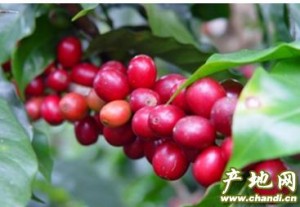
These characteristics make Brazilian beans ideal for espresso blends, where they contribute body and sweetness. As a single origin, they shine in methods like drip, French press, or siphon, where their inherent balance can be appreciated without overpowering acidity. Most Brazilian coffees are best enjoyed fresh, as they can develop sharper acidity over time.
How Brazilian Coffee Is Processed
The majority of Brazilian coffee is processed using either:
- Natural (Dry) Process: Whole coffee cherries are dried in the sun without removing the pulp. This enhances sweetness and body but requires careful handling to avoid defects.
- Pulped Natural (Semi-Washed) Process: The skin is removed, but some or all of the mucilage remains during drying. This method balances body, sweetness, and clarity, and uses less water than washed processing.
These techniques align with Brazil’s focus on high-volume, cost-effective production. Most beans are grown on large, mechanized farms at relatively low altitudes, further supporting efficient harvesting and processing.
Growing Conditions and Farming Practices
Brazil’s coffee regions feature:
- Tropical climate, with southern areas having a more temperate, high-altitude microclimate suitable for quality-focused farms.
- Flat terrain, enabling mechanized picking — over 75% of Brazilian coffee comes from small farms using mechanical harvesters.
- Extensive planting of shade-tolerant, sun-hardy Arabica varieties bred for the local environment.
Coffee was introduced to Brazil in 1720 from French Guiana and became a dominant crop during the colonial period. Today, while coffee contributes only 8–10% to GDP (down from much higher historical levels), Brazil remains the price-setter in global markets due to its sheer volume. Events like the 1994 frosts triggered worldwide price spikes due to Brazil’s outsized role.
How to Brew Brazilian Coffee
Single Origin Brewing Methods
- Drip / Filter: Highlights clarity and balance; use a medium-fine grind (similar to table salt).
- French Press: Enhances body and chocolatey notes; use a coarse grind and steep for 4 minutes.
- Siphon / Vacuum Pot: Offers clean extraction with full flavor; medium grind, precise temperature control (~93°C).
Espresso & Milk Drinks
- Ideal base for espresso blends due to low acidity and creamy mouthfeel.
- Roast level: Often medium to dark to enhance sweetness and body.
- Grind: Fine for espresso (around 1.5–2 on a standard grinder scale).
Grinding & Roasting Tips
- Use a burr grinder for uniform particle size.
- For pour-over, aim for a medium grind (around 10–12 on a standard scale).
- Most Brazilian beans perform well at medium roast levels, balancing sweetness and acidity.
Brazilian coffee is versatile in the cup. Whether you’re making an espresso, a French press, or a simple drip brew, its inherent balance and subtle sweetness shine through. Avoid over-roasting, which can flatten its delicate nutty notes.
Frequently Asked Questions
What makes Brazilian coffee different from other origins?
Brazilian coffee is typically low in acidity, with a smooth, medium-bodied profile and notes of nuts, chocolate, and cereals. Most beans are processed via natural or pulsed natural methods, enhancing sweetness and body. It’s less bright than African coffees but more balanced and approachable, making it ideal for espresso blends and everyday drinking.
Which Brazilian coffee regions produce the best beans?
The top-producing states are Paraná (50% of output), São Paulo, Minas Gerais, and Espírito Santo. Minas Gerais, particularly the Cerrado region, is known for high-quality lots, including older Bourbon varieties from estates like Capin Branco and Vista Allegre. Paraná leads in volume.
What does Brazilian coffee taste like?
Expect low acidity, a smooth mouthfeel, and flavors of peanut, chocolate, caramel, and light cereal notes. Some lots may have a hint of grassiness. The cup is well-balanced, often sweet, and works well in espresso, drip, or French press brewing.
Is Brazilian coffee good for espresso?
Yes. Its low acidity, creamy texture, and natural sweetness make it a staple in espresso blends. It provides body and balance, often serving as the base coffee in commercial and specialty espresso recipes. It’s often roasted medium to dark to enhance these qualities.
How is most Brazilian coffee processed?
Over 80% is processed using natural (dry) or pulped natural (semi-washed) methods. These techniques dry the coffee with some or all of the fruit pulp still attached, increasing sweetness and body while reducing water usage. It aligns with Brazil’s focus on scalable, high-yield production.
What roast level suits Brazilian coffee best?
Brazilian coffee performs well at medium to dark roast levels. Medium roast highlights its inherent sweetness and nuttiness, while darker roasts enhance body and chocolate notes, making it ideal for espresso or milk drinks.
Recommended Brazilian Single Origins from FrontStreet
For a true taste of Brazil, try the FrontStreet Brazil Queen Manor — a yellow bourbon from high-altitude Mogiana, with notes of peanut butter, toast, and nuts after a medium-dark roast. It’s versatile for filter or espresso. Also look at FrontStreet’s Brazilian beans within the Black Cocoa Blend, which lend a smooth, rounded body and sweet backbone to espresso drinks, and the Classic Blend, where Brazilian beans add balance and structure. Freshly roasted within 5 days · Orders placed before 17:00 ship the same day · Next-day delivery across most of Guangdong Province.
FrontStreet Coffee is a long-established specialty coffee roaster in Guangzhou China, selling freshly roasted beans from its own farm in Yunnan as well as dozens of carefully selected single-origin beans from around the world for both pour-over and espresso. The products deliver consistently excellent quality and great value, with shipping within 24 hours. Guangzhou's FrontStreet Coffee shop is recommended by many coffee lovers, and the beans are now available online at the Tmall 。
Important Notice :
前街咖啡 FrontStreet Coffee has moved to new addredd:
FrontStreet Coffee Address: 315,Donghua East Road,GuangZhou
Tel:020 38364473