
"Malabar"
482 article(s) found

Introduction to the flavor characteristics of Malabar Manor
Malabar Manor is 1400 to 1800 meters above sea level, with a temperature of 15-21 ℃ and an annual rainfall of 2000 mm, which is very suitable for Arabica coffee production. Malabar's coffee plantation in Indonesia is managed by the concept of community forest management, and its tree species are certified by the Center's seed Certification and quality Control Bureau. Arabica in Malabar Manor

Indian Monsoon Malabar AA Monsooned Malabar AA Coffee Flavor Taste Aroma Description
Professional barista communication Please pay attention to Coffee Workshop (Weixin Official Accounts 2133 Wind-stained Malabar [Indian Monsoon Malabar AA]* Commodity introduction: The slow speed of early maritime transportation This Indian coffee bean was blown by humid sea wind during the long-term shipping process to Europe, resulting in the flavor and appearance of the bean.

Characteristics of wind-stained coffee in Malabar, India
For more information on coffee beans, please follow the coffee workshop (official account cafe_style of Wechat). When it comes to Asian coffee, most people will first think of Indonesian gold Manning or Toraya, or Vietnamese coffee or Lao coffee, as well as recently rammed up Taiwan coffee, China Yunnan coffee and so on. Indian coffee has a long history, and it also has a long history.

Strange coffee with wheat flavor: Malabar style-stained coffee in India
When it comes to Asian coffee, most people will first think of Indonesian gold Manning and Toraya, or Vietnamese coffee or Lao coffee, as well as Taiwan coffee and Yunnan coffee, which have been rammed up recently. Indian coffee has a long history, and it is also the first country in Asia to grow coffee. It has always had a place in the coffee world.
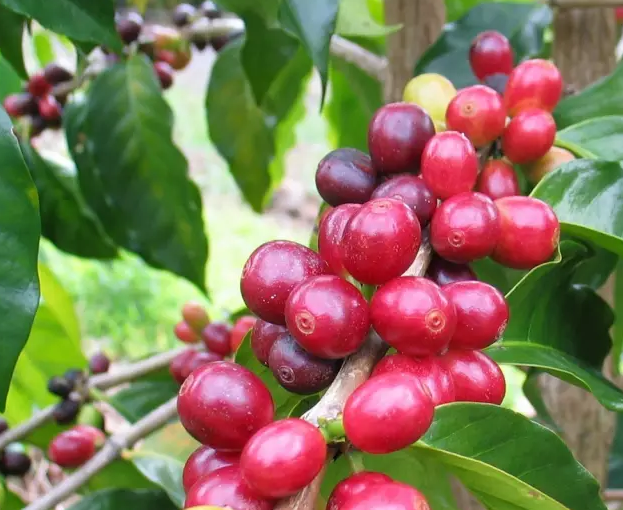
Indian Malabar style-stained coffee describes in detail how to maintain the effect of production methods on flavor.
When it comes to Asian coffee, most people will first think of Indonesian gold Manning and Toraya, or Vietnamese coffee or Liaoguo coffee, as well as recently developed coffee from Taiwan and Yunnan in China. Indian coffee has a long history, and it is also the first country in Asia to grow coffee. It has always had a place in the coffee world.

Flavor characteristics of wind-stained coffee in Malabar, India introduction to the treatment process of wind-stained coffee beans
Professional baristas Please follow the Coffee Workshop (official Wechat account cafe_style) when it comes to Asian coffee, most people will first think of Indonesian gold Manning or Toraya, or Vietnamese coffee or Lao coffee, as well as recently rammed up Taiwan coffee, China Yunnan coffee and so on. Indian coffee has a long history, and it is the first coffee grower in Asia.

Indian monsoon beans | weathered beans Monsooned Malabar Malabar coffee beans
The exchange of professional baristas please follow the coffee workshop (official Wechat account cafe_style) about Malabar soy Malabar coffee, which has been favored by Europeans since the 17th century. This kind of wind-stained coffee is a new flavor created inadvertently. In the 17th and 18th centuries, India shipped coffee beans to Europe by sailboat, which took six months and raw beans.

Indian-style Malabar coffee has been favored by Europeans since the 17th century.
Professional coffee knowledge exchange more coffee bean information Please follow the coffee workshop (official Wechat account cafe_style) refined wind-stained coffee on rainy days ~ we'll talk about it later. Coffee became the number one drink in the world only 1600 years later, so the recorded history of coffee is only 400 years similar to that of Taiwan. Most people recognize that Africa is the origin of coffee.

Is there coffee beans grown in India? Indian wind stains Malabar coffee flavor characteristics
Professional coffee knowledge exchange More coffee bean information Please pay attention to coffee workshop (Weixin Official Accounts cafe_style) Front Street-India Wind Stain Malabar Coffee Introduction India Climate The ideal climate conditions for coffee bean growth are temperatures between 2 - 3 and 28 degrees Celsius, rainfall between 1.5 and 2.0 meters, and a dry season of 2-3 months after the rainy season. Cold temperatures near freezing point are not suitable for conditions
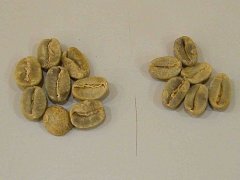
Indian Wind stain treatment Coffee Flavor how to introduce the specific process of Wind stain treatment
For the exchange of professional baristas, please follow the coffee workshop (Wechat official account cafe_style) [wheat flavor, tea flavor] India Monsooned Malabar AA | weathered beans (India Monsooned Malabar AA) production area: India Malabar raw bean treatment method: wind stain treatment grade: AA flavor introduction wheat and straw flavor, roasted nuts, dried wood, Nanyang

Monsoon Malabar coffee has a heavy texture and a faint bitter taste, as well as a weak sour taste.
In BC, raw coffee beans produced in India entered England through the Suez Canal in Egypt. At that time, Indian coffee raw beans were loaded on the floor of the cargo warehouse of the cargo ship. due to the long sailing time of the ship, the raw beans fermented naturally in the cargo warehouse with high temperature and humidity. After arriving in Europe, fermented Indian coffee beans are consumed by Europeans who cannot recognize the difference. Later, Europe

Boutique coffee-monsoon Malaba (Monsooned Malabar)
Monsoon Malaba, also known as wind-stained Malaba, is a characteristic coffee in India, with yellow and white color, fat bean shape, very low acidity, very thick viscosity, syrup-like taste, nutty and cereal flavors with a hint of spicy and chocolate aromas and unique dusty flavors. In the 17th and 18th centuries, India shipped coffee beans to Europe by sailboat, which took six months and raw beans.
Boutique coffee beans Coffee species Monsoon Malaba (Monsooned Malabar)
Monsoon Malaba, also known as wind-stained Malaba, is a characteristic coffee in India, with yellow and white color, fat bean shape, very low acidity, very thick viscosity, syrup-like taste, nutty and cereal flavors with a hint of spicy and chocolate aromas and unique dusty flavors. In the 17th and 18th centuries, India shipped coffee beans to Europe by sailboat, which took six months and raw beans.

How to drink Indian coffee with a long history? Introduction to the characteristics of Indian style-stained Malabar Coffee
India is the oldest coffee producer in Asia. Although Indian coffee did not flourish until it was colonized by the British in the 19th century, it had a history of about two hundred years before that. In 1870, due to the influence of leaf rust and the high demand for tea in the market, many farms capable of producing high-quality coffee changed to grow tea one after another, which greatly affected the coffee industry in India.

Do you grow coffee beans in India? India's wind-stained Malabar coffee characteristics, environment and climate
Professional coffee knowledge exchange more coffee bean information please follow coffee workshop (Wechat official account cafe_style) India's main coffee-growing areas India's coffee industry is currently dominated by southern India, Karnataka, Kerala and Tamil Nadu together account for more than 90% of the country's coffee production; at present, about 250000 people in India grow coffee beans, and

Malaba coffee beans in the western coffee producing area of Rwanda
Maraba coffee beans are manually selected and classified according to quality. PEARL brought coffee experts to Rwanda to maintain contact with the seller, the Public Coffee Company (Community Coffee) in Louisy, USA, and to send samples to Louisiana. In June 2002, public coffee

India Monsooned Malabar A Coffee Bean_How about Indian Coffee
Professional coffee knowledge exchange More coffee bean information Please pay attention to coffee workshop (Weixin Official Accounts cafe_style) In fact, India is still a country rich in coffee beans. About 250,000 people in the country grow this economic product. Coffee is suitable for growing in a warm environment. The Tropic of Cancer is called coffee belt, but it is afraid that high temperature will destroy the characteristics of beans, so most of them are planted in high altitude areas.
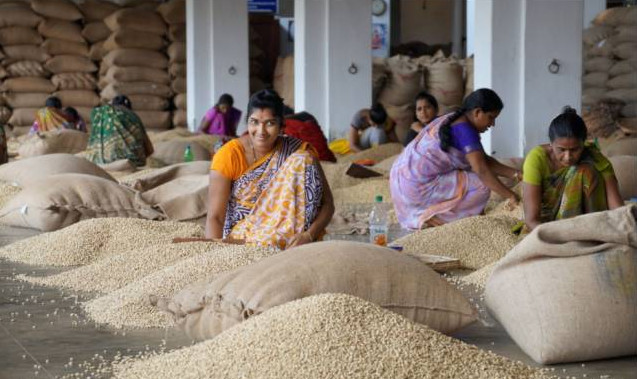
Indian Monsoon Coffee Malabar| Unique monsoon treatment, origin of wind-stained malaba
Monsooned Malabar Country: Southern IndiaRegion: Southern India Malabar Coast Altitude: 1100-1200 m Variety: Kents, S795, Catimor, selection 9 Treatment: Wind-stained Sunlight Treatment 01 Introduction Coffee was brought in by pilgrims as early as the 16th century to establish the first coffee farms. You might not imagine

How is India Monsooned Malabar Malaba coffee roasted? How do you drink Malaba coffee?
Professional coffee knowledge exchange more coffee bean information please follow the coffee workshop (Wechat official account cafe_style) to talk about Asian coffee, perhaps the first thing that reminds the public of is Indonesia's Mantenin. But in fact, the first country in Asia to grow coffee should be India. It is said that the coffee tree species in Indonesia was introduced by the Dutch from India in the 17th century. The famous Indian Coffee Mara

Introduction to the flavor characteristics of Indian coffee brand Monsooned Malabar wind-stained Malaba coffee story
Professional coffee knowledge exchange more coffee bean information Please pay attention to the coffee workshop (Wechat official account cafe_style) there are few Indian coffee brands, usually only two: wind-stained Malaba and Masojin bricks. The raw beans of the wind-stained Malaba are dry, yellow and sweet, but a bit monotonous because they are shipped after being placed in a ventilated warehouse to be caressed by the Indian Ocean monsoon for several seasons.