
"Medina"
165 article(s) found

Single bean flavor characteristics, producing areas and cooking parameters of Snow vein Manor in Bolivia
Professional barista exchanges please pay attention to the coffee workshop (Wechat official account cafe_style) Bolivia Snow vein Manor single bean flavor characteristics, production areas and brewing parameters Takesi Manor, drinking water and coffee after harvest treatment, using alpine melting cold snow landscape, so we give her a nickname: Takesi Snow vein Manor; except for low temperature, pollution-free environment

What are the snow pulse manor single bean manor? Snow pulse manor single bean baking suggestions
Professional barista exchanges, please pay attention to coffee workshop (Weixin Official Accounts cafe_style) Remember that the winning bean in 2007 was Coffee Flower Manor, but her score was overtaken by 2008 champion Caf de Cordillera. In that year, the international jury gave a high score of 92.03. Takesi Snow Vein Manor in 2009 even got a score of 93.36, surpassing the champion in 2008. At the same time, the bidding price

Coffee bean flavor of Bolivian snow vein manor describes how to drink snow vein manor coffee
For the exchange of professional baristas, please follow the coffee workshop (Wechat official account cafe_style) Bolivia Xuemai Manor coffee bean flavor description Xuemai Manor coffee how to drink the following information is the Osher Cup test report and CoE official website: country: Bolivia, Bolivia producing area: Yungas of La Paz Administrative Town: Yanacahi Award-winning Manor: Agrotakesi SA

Ethiopia Lim Limu production area washing G1 coffee flavor water how to drink Lim coffee beans
Professional coffee knowledge exchange more coffee bean information please pay attention to the coffee workshop (Wechat official account cafe_style) what is the substantial difference between sunburned and washed Yejiaxuefei? Product: Ethiopian Lim G1 washing (Ethiopia Washed Limu G1) Flavor description: exquisite flower flavor, bright acidity of apple, aloe and kumquat.

Bolivia La Paz producing area | Agrotakesi snow vein manor washing iron pickup flavor and brewing?
Professional coffee knowledge exchange more coffee bean information please follow the coffee workshop (Wechat official account cafe_style) Bolivia La Paz production area | Agrotakesi Snow vein Manor washing tin card flavor and brewing? Bolivia's high-quality estates, very high altitude, perennial low-temperature environment, so that coffee fruit growth is slow, compact enough, the aroma is also charming, floral fragrance

Single bean grading, price, raw bean and baking curve of Snow vein Manor in Bolivia
Professional barista exchanges please follow the coffee workshop (Wechat official account cafe_style) Bolivia snow vein manor single bean classification, price, raw beans and baking curve Takesi snow vein manor here the average temperature is only 15 degrees C, the water source comes from alpine melting snow water, no pollution, and there is fertile volcanic soil, more than 2000 meters above sea level, the coffee grown is full of various aromas.

The characteristics of Snow vein Manor Coffee in Bolivia introduction to the types of coffee in Snow vein Manor
For the exchange of professional baristas, please follow the coffee workshop (Wechat official account cafe_style) Snow vein Manor Coffee in Bolivia. About 95% of the coffee in Bolivia is produced in this region. In the past, it has enjoyed a high reputation in Europe, as well as recently. This area extends to the east of the Andes.

How about individual coffee at Xuemai Manor in Bolivia? how many flavors are there in Xuemai Manor?
Professional barista exchanges please follow the coffee workshop (Wechat official account cafe_style) Bolivia snow vein manor individual coffee how the snow vein manor single coffee beans how many flavors remember in 2007 the admirable champion bean is the coffee flower manor, but her score was overtaken by the 2008 champion Caf de Cordillera, when the international judges gave a high score of 92.03, the 2009 T

The history, culture, stories and allusions of the holy boutique beans of the Snow vein Manor in Bolivia.
For the exchange of professional baristas, please follow the coffee workshop (Wechat official account cafe_style) the history, culture, stories and allusions of the holy boutique beans of Snow vein Manor in Bolivia. BOLIVIA Bolivian population: 10461000 coffee-growing areas in Bolivia have never been significantly drawn, and because of this, different bean bakers use different naming conventions to describe different ones.

The spread of Coffee Culture
The spread of coffee into the Arab world: in 525 AD, Ethiopian troops invaded Yemen, and coffee beans were brought to Yemen by soldiers. According to records, coffee trees began to be planted in Yemen in 575 AD. Later, coffee beans were also brought to Egypt by Sudanese black slaves who were shipped to Egypt. After coffee was introduced into the Arab world, it was first used as a herb by Arabs to treat biases.

How to deal with the processing of single beans in Xuemai Manor? how to divide the grades of single beans in Xuemai Manor?
Professional baristas Please follow the Coffee Workshop (Wechat official account cafe_style) YUNGAS about 95% of Bolivia's coffee is produced in this region, which has enjoyed a high reputation in Europe in the past and recently. This area is the forest that extends to the east of the Andes, and in fact extends from Peru (Peru) to Peru through Bolivia.

What are the characteristics of Bolivian snow vein manor coffee beans? how much is the snow vein manor coffee?
For the exchange of professional baristas, please pay attention to the coffee workshop (Wechat official account cafe_style) what are the characteristics of coffee beans in Xuemai Manor in Bolivia? how much is the coffee? the following is the basic information and cup test taste of this batch of champion beans: the following information is the Osher Cup test report and the official website of CoE: country: Bolivia, Bolivia production area: Yungas of La Paz line

How is the planting of single bean in Xuemai Manor? introduction to the award-winning situation of single bean in Xuemai Manor
For the exchange of professional baristas, please pay attention to the coffee workshop (Wechat official account cafe_style) Takesi snow vein manor, where the average temperature is only 15 degrees C, the water source comes from alpine melting snow, no pollution, and there is rich volcanic soil, more than 2000 meters above sea level, the coffee planted is full of various aromas and full of sweetness. She is the 2009 Bolivian champion Takesi snow vein manor.

The coffee producing area of the snow vein manor in Bolivia introduces the elevation of the coffee beans in the snow vein manor.
Professional barista exchanges please follow the coffee workshop (Wechat official account cafe_style) Bolivia snow vein manor coffee production area snow vein manor coffee beans elevation how much Takesi snow vein manor here the average temperature is only 15 degrees C, the water comes from alpine melting snow water, no pollution, and there is rich volcanic soil, more than 2000 meters above sea level, the grown coffee is full of various aromas and

A brief introduction to the description of balanced taste and aroma characteristics of Bolivian coffee
Takesi Manor, drinking water and coffee after harvest treatment, using alpine melting cold snow landscape, so we give her a nickname: Takesi Snow vein Manor; in addition to low temperature, pollution-free environment, fertile and well-drained volcanic soil, is also an element of coffee flavor, although the owner of Agrotakesi SA is rich, but deep respect for nature and the way to get along, but

World & A brief introduction to the spread History of Coffee in China
Origin: coffee was first discovered in the kaffa region of southern Ethiopia in the 6th century AD. So far, there is no specific historical data about the origin of coffee, what has been handed down are several different legends, but it is more recognized that Cuddy, the shepherd, discovered the coffee. Legend has it that Kadi, a shepherd in Kafa province in southern Ethiopia, drives his sheep every day.
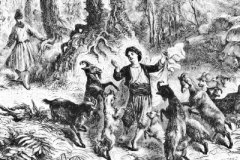
World & A brief introduction to the Development History of Coffee in China
Origin: coffee was first discovered in the kaffa region of southern Ethiopia in the 6th century AD. So far, there is no specific historical data about the origin of coffee, what has been handed down are several different legends, but it is more recognized that Cuddy, the shepherd, discovered the coffee. Legend has it that Kadi, a shepherd in Kafa province in southern Ethiopia, drives his sheep every day.

Introduction to the producing area of Coffee-Ethiopia in Africa
For professional baristas, please follow the coffee workshop (Wechat official account cafe_style) Ethiopia is the birthplace of coffee, which can start directly from the history of drinking. In 850, a shepherd in Ethiopia found that his goat became energetic after eating a certain fruit. When a group of hating couples learned that they ate it but felt very bitter and disappointed, they threw the picked fruit into
The difference between naming "manor" and "processing plant" and "cooperative" for Ethiopian coffee
For professional baristas, please follow the coffee workshop (Wechat official account cafe_style) Ethiopia is the birthplace of coffee, which can start directly from the history of drinking. In 850, a shepherd in Ethiopia found that his goat became energetic after eating a certain fruit. When a group of hating couples learned that they ate it but felt very bitter and disappointed, they threw the picked fruit into

The mission of coffee is to conquer the earth people?! The origin and development of coffee is so wonderful.
It is said that coffee was first discovered by goats, but the people on earth who like to taste fresh can't stop from now on. Human beings are really curious. Hey! Throughout the history of coffee, it is simply a documentary in which mankind has been conquered by it. Look at the origin and development of coffee together with [coffee culture]. As people on earth, we really don't have the strength to fight back! The origin of coffee was first discovered in the 6th century AD.