
"Mingo"
247 article(s) found

Boutique Santo Domingo Coffee Bean Manor Flavor and Taste introduction of Coffee Bean Origin and varieties
Coffee in Dominica is grown in highlands and lowlands, and its taste is slightly different. The upland is sour, but the taste is rich; the lowland is less sour and tastes smoother. Boutique coffee has become popular in recent years. High-quality coffee beans produced by some Dominican estates have a rich aroma, mellow taste and moderately bright sour taste, and have been bought with the more famous Puerto Rico beans or teeth.

Dominica Santo Domingo Coffee Flavor description, Grinding characteristics, Price, planting Environment
The Dominican Republic is a popular country for travelers. It lives next to Haiti on the island of Hispaniola in the West Indies, Dominica in the west and Haiti in the east. The whitest and softest white sand in the world, the cool sea breeze from the Atlantic and Caribbean and the warm sunshine in the tropics make it a holiday paradise on a par with Maldives and Hawaii.

Introduction to the variety and flavor of Santo Domingo Coffee Manor with rich aroma and mellow taste
The earliest coffee in Dominica was introduced from Martinique (the overseas province of France), dating back to the early 18th century. Dominica is an island country with a tropical climate. The temperature changes little throughout the year. Except for the lower temperature in the Central Cordillera Mountains, which can reach less than 0 ℃ in winter, the annual average temperature in other areas is between 25 and 30 ℃, which is affected by the mountain topography.

Santo Domingo Coffee introduction
Dominica Dominica: Santo Domingo coffee taste characteristics: fresh and elegant, full particles, excellent acidity, pleasant flavor. The Dominican Republic is located in the east of the island of Haiti in the West Indies, bordering the Republic of Haiti to the west, the Atlantic Ocean to the north and the Caribbean Sea to the south. With an area of about 49000 square kilometers and a population of 7.1 million, the Dominican Republic and the Republic of Haiti coexist in

Santo Domingo, Dominican Republic Coffee Processing Method Production Area Grinding Scale Introduction
Dominican coffee is grown in upland and lowlands and tastes slightly different. Highland plants are sour, but rich in taste; lowland plants are less sour and smoother in taste. In recent years, specialty coffee has become popular. Some Dominican estates produce high-quality coffee beans with rich aroma and rich taste, with a moderately bright acidity. They have been compared with the more famous Puerto Rico beans or teeth.

Fresh and elegant taste of Dominican coffee introduce Santo Domingo coffee boutique coffee beans
Flavor and taste characteristics: fresh and elegant, full particles, excellent acidity, pleasant aroma. The Dominican Republic is located in the east of the island of Haiti in the West Indies, bordering the Republic of Haiti to the west, the Atlantic Ocean to the north and the Caribbean Sea to the south. With an area of about 49000 square kilometers and a population of 7.1 million, the Dominican Republic and the Republic of Haiti coexist on an island bordering Haiti. Like its neighbors.
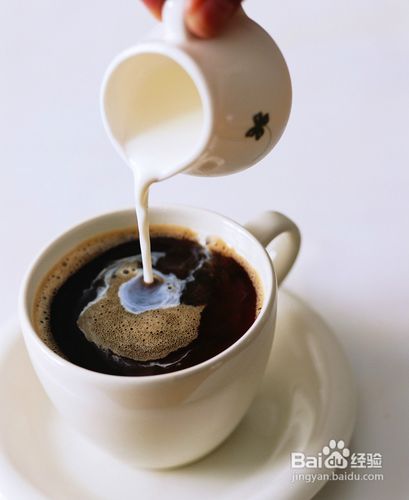
Introduction to the flavor and taste of Dominica coffee Santo Domingo coffee
The earliest coffee in Dominica was introduced from Martinique (the overseas province of France), dating back to the early 18th century. Dominica is an island country with a tropical climate. The temperature changes little throughout the year. Except for the lower temperature in the Central Cordillera Mountains, which can reach less than 0 ℃ in winter, the annual average temperature in other areas is between 25 and 30 ℃, which is affected by the mountain topography.

Creamy Dominican Santo Domingo Coffee Flavor Description Grind Fine Coffee Taste Introduction
Located in the Jarabacoa area near Siwao, it has the largest farm in Dominica, Ramirez Estates, where Kadura varieties are mainly planted, and most of the coffee produced is sold to western countries and regions such as Europe and the United States. Ramirez Estate itself produces coffee in an environmentally conscious way. Dominican coffee with A

Moderately bright sour Dominica Santo Domingo coffee flavor description grind treatment taste
Coffee in Dominica is grown in highlands and lowlands, and its taste is slightly different. The upland is sour, but the taste is rich; the lowland is less sour and tastes smoother. Boutique coffee has prevailed in recent years. Some Dominican estates produce high-quality coffee beans with rich aroma, mellow taste, moderately bright sour taste, and the more famous Puerto Rico beans or Jamaica.

Dominica Santo Domingo Coffee with mellow taste introduction to boutique coffee
Coffee in Dominica is grown in highlands and lowlands, and its taste is slightly different. The upland is sour, but the taste is rich; the lowland is less sour and tastes smoother. Boutique coffee has become popular in recent years. High-quality coffee beans produced by some Dominican estates have a rich aroma, mellow taste and moderately bright sour taste, and have been bought with the more famous Puerto Rico beans or teeth.

Coffee growing in Santo Domingo, Dominican Republic Location Climate Altitude Profile
In the early 18th century, coffee was introduced to Dominica from Martinique, and the northern regions, represented by Ciba, and the southern regions, including Ocayabani Santo Domingo, produced fine coffee. Among them, Santo Domingo and Bani produced coffee, almost synonymous with Domica coffee, is world-famous quality coffee. Santo Domingo coffee, characterized by fresh and elegant,

Grinding scale of Santo Domingo coffee beans in Dominica A brief introduction to the cultivation of varieties in manor areas
In the early 18th century, coffee was introduced to Domiga from Martinique, and fine coffee was produced in the north represented by Hibao and in the south, including Okayabani Santo Domingo. Among them, the coffee produced by Santo Domingo and Barney, which is almost synonymous with domiga coffee, is a world-famous high-quality coffee. Santo Domingo coffee, which is characterized by freshness and elegance,

Dominica Santo Domingo Coffee with excellent acidity description of roasting degree characteristics of producing area
In the early 18th century, coffee was introduced to Domiga from Martinique, and fine coffee was produced in the north represented by Hibao and in the south, including Okayabani Santo Domingo. Among them, the coffee produced by Santo Domingo and Barney, which is almost synonymous with domiga coffee, is a world-famous high-quality coffee. Santo Domingo coffee, which is characterized by freshness and elegance,

Introduction to the flavor and taste of Santo Domingo Coffee Manor with a winding and smooth aftertaste.
Coffee in Dominica is divided into highlands and lowlands, and the taste is also slightly different. The upland is sour, but the taste is rich; the lowland is less sour and tastes smoother. Boutique coffee has become popular in recent years. The high-quality coffee beans produced by some Dominican estates have a rich aroma, mellow taste, moderately bright sour taste, and the more famous Potali.

Introduction to Dominica Santo Domingo Coffee Flavor Manor with soft floral aroma
The increasing number of Kind Kaddura species was hit hard by the hurricane in 1998, resulting in countless losses, so it was common for the local area to switch to Kaddura species with lower tree height and higher harvest. Although Baraona still has Tibica coffee, its harvest has been greatly reduced because of the annual hurricane damage. The climatic conditions of planting Cultivation are the same as those of the highlands in Dominica.

Smooth and smooth coffee producing area of Santo Domingo, Dominica introduces Santo Domingo Coffee Manor
The earliest coffee in Dominica was introduced from Martinique (the overseas province of France), dating back to the early 18th century. Dominica is an island country with a tropical climate. The temperature changes little throughout the year. Except for the lower temperature in the Central Cordillera Mountains, which can reach less than 0 ℃ in winter, the annual average temperature in other areas is between 25 and 30 ℃, which is affected by the mountain topography.

Coffee producing area of the eastern island of Haiti in the West Indies-Dominica Santo Domingo Coffee
Flavor and taste characteristics: fresh and elegant, full particles, excellent acidity, pleasant aroma. The Dominican Republic is located in the east of the island of Haiti in the West Indies, bordering the Republic of Haiti to the west, the Atlantic Ocean to the north and the Caribbean Sea to the south. With an area of about 49000 square kilometers and a population of 7.1 million, the Dominican Republic and the Republic of Haiti coexist on an island bordering Haiti. Like its neighbors.

Introduction to coffee from Santo Domingo
Follow the caf é (Wechat official account vdailycom) and found that the coffee in Dominica is grown in highlands and lowlands, and the taste is slightly different. The upland is sour, but the taste is rich; the lowland is less sour and tastes smoother. In recent years, boutique coffee is popular, and the high-quality coffee beans produced by some Dominican estates have a rich aroma.

Flavor description of Santo Domingo Coffee with rich flavor introduction to the planting environment of varieties in producing areas
Coffee in Dominica is grown in highlands and lowlands, and its taste is slightly different. The upland is sour, but the taste is rich; the lowland is less sour and tastes smoother. Boutique coffee has become popular in recent years. High-quality coffee beans produced by some Dominican estates have a rich aroma, mellow taste and moderately bright sour taste, and have been bought with the more famous Puerto Rico beans or teeth.

Dominica's Santo Domingo coffee flavor. Is Santo Domingo coffee good?
Following Caf é (official Wechat account vdailycom) found that Beautiful Cafe opened a small shop of Dominica Coffee beans (Caribbean). Dominican coffee is grown in highlands and lowlands, and its taste is slightly different. The upland is sour, but the taste is rich; the lowland is less sour and tastes smoother. In recent years, boutique coffee is very popular, and some Dominican manors