
"Mingo"
247 article(s) found
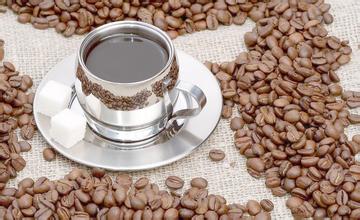
Introduction of Dominica Coffee characteristics of Santo Domingo Coffee
Unlike coffee produced in Haiti, most of the coffee grown in the Dominican Republic has been washed, which is a symbol of high quality. Miniga Coffee uses a washing method to treat coffee beans, so that the quality of treated coffee beans is more guaranteed. The coffee beans treated by washing method retain more original flavor than the drying method, and the aroma is pure and soft. Carefully selected and made in this way

Santo Domingo Coffee Flavors
Delicious, sweet, full-grain coffee The Dominican Republic shares a border with Haiti, which owns the island of Hispaniola. Like its neighbours, the Dominican Republic had a history of revolution and poverty, but now had democratic elections and relative stability. In the early 18th century, coffee began in Domi.
Introduction of Santo Domingo Coffee Flavor Manor
In the early 18th century, coffee was introduced to Domiga from Martinique, and fine coffee was produced in the north represented by Hibao and in the south, including Okayabani Santo Domingo. Among them, the coffee produced by Santo Domingo and Barney, which is almost synonymous with domiga coffee, is a world-famous high-quality coffee. Santo Domingo coffee, which is characterized by freshness and elegance,

Atlanta Manor of Santo Domingo Coffee, a coffee producer in the Dominican Republic adjacent to the sea.
In the early 18th century, coffee was introduced to Domiga from Martinique, and fine coffee was produced in the north represented by Hibao and in the south, including Okayabani Santo Domingo. Among them, the coffee produced by Santo Domingo and Barney, which is almost synonymous with domiga coffee, is a world-famous high-quality coffee. Santo Domingo coffee, which is characterized by freshness and elegance,

Dominican Santo Domingo Coffee introduces boutique coffee beans
In the early 18th century, coffee was introduced to Domiga from Martinique, and fine coffee was produced in the north represented by Hibao and in the south, including Okayabani Santo Domingo. Among them, the coffee produced by Santo Domingo and Barney, which is almost synonymous with domiga coffee, is a world-famous high-quality coffee. Santo Domingo coffee, which is characterized by freshness and elegance,

Dominica Santo Domingo Coffee region Flavor introduction Fine Coffee
The Dominican Republic has also experienced a history of unrest and poverty, and now the country has implemented democratic elections and entered a period of stable development, but it has not yet formally established diplomatic relations with China, but has maintained so-called diplomatic relations with Taiwan. It seems that this has nothing to do with coffee, but in fact, it still has an impact. The exchanges between the two countries that have not established diplomatic relations are subject to many restrictions in all aspects, and of course they will.
Dominica Santo Domingo Coffee Flavor description Grinding characteristics introduction to the taste of varieties in producing areas
The earliest coffee in Dominica was introduced from Martinique (the overseas province of France), dating back to the early 18th century. Dominica is an island country with a tropical climate. The temperature changes little throughout the year. Except for the lower temperature in the Central Cordillera Mountains, which can reach less than 0 ℃ in winter, the annual average temperature in other areas is between 25 and 30 ℃, which is affected by the mountain topography.
Fresh and elegant, full of particles Dominica: Santo Domingo coffee
Flavor and taste characteristics: fresh and elegant, full particles, excellent acidity, pleasant aroma. Dominican Republic is located in the West Indies in the eastern part of the island of Haiti, west of the Republic of Haiti, north of the Atlantic Ocean, south of the Caribbean Sea. With an area of about 49000 square kilometers and a population of 7.1 million, the Dominican Republic coexists with the Republic of Haiti on an island adjacent to Haiti. Like its neighbors.

Introduction to the taste and flavor characteristics of Dominican coffee-Santo Domingo coffee
Unlike coffee produced in Haiti, most of the coffee grown in the Dominican Republic has been washed, which is a symbol of high quality. Miniga Coffee uses a washing method to treat coffee beans, so that the quality of treated coffee beans is more guaranteed. The coffee beans treated by washing method retain more original flavor than the drying method, and the aroma is pure and soft. "Dominica coffee beans | Santo Domingo

Introduction of boutique coffee in Santo Domingo coffee producing area of Dominican Republic
In the early 18th century, coffee was introduced to Domiga from Martinique, and fine coffee was produced in the north represented by Hibao and in the south, including Okayabani Santo Domingo. Among them, the coffee produced by Santo Domingo and Barney, which is almost synonymous with domiga coffee, is a world-famous high-quality coffee. Santo Domingo coffee, which is characterized by freshness and elegance,

Characteristics of Dominica coffee beans in Dominica coffee producing areas
Santo Domingo is a city with a history of 500 years. Coffee produced by Santo Domingo and Barney, which is almost synonymous with Domiga coffee, is a world-famous high-quality coffee. Its flavor and taste characteristics: fresh and elegant, full particles, excellent acidity, pleasant aroma. The Dominican Republic is located in the east of the island of Haiti in the West Indies, bordering the Republic of Haiti in the west and the Atlantic Ocean in the north.

Coffee producing countries in Dominica introduce the flavor and taste characteristics of Santo Domingo coffee.
The earliest coffee in Dominica was introduced from Martinique (the overseas province of France), dating back to the early 18th century. Dominica is an island country with a tropical climate. The temperature changes little throughout the year. Except for the lower temperature in the Central Cordillera Mountains, which can reach less than 0 ℃ in winter, the annual average temperature in other areas is between 25 and 30 ℃, which is affected by the mountain topography.

Introduction of fresh, elegant, full-grained Dominica Santo Domingo coffee
In the early 18th century, coffee was introduced to Domiga from Martinique, and fine coffee was produced in the north represented by Hibao and in the south, including Okayabani Santo Domingo. Among them, the coffee produced by Santo Domingo and Barney, which is almost synonymous with domiga coffee, is a world-famous high-quality coffee. Santo Domingo coffee, which is characterized by freshness and elegance,

High quality Dominican coffee beans introduce boutique coffee Santo Domingo coffee
In the early 18th century, coffee was introduced to Domiga from Martinique, and fine coffee was produced in the north represented by Hibao and in the south, including Okayabani Santo Domingo. Among them, the coffee produced by Santo Domingo and Barney, which is almost synonymous with domiga coffee, is a world-famous high-quality coffee. Santo Domingo coffee, which is characterized by freshness and elegance,

Santo Domingo Coffee Estate Breed Flavor Introduction
Western Hispaniola, harvested in the mountains above 1500 meters, full grain coffee The Dominican Republic and Haiti are neighbors, and both have Hispaniola. The best production site is Barahona in the southwest, but Juncalito and Ocoa are also

Dominica Santo Domingo Coffee with a lingering aftertaste
The earliest coffee in Dominica was introduced from Martinique (the overseas province of France), dating back to the early 18th century. Dominica is an island country with a tropical climate. The temperature changes little throughout the year. Except for the lower temperature in the Central Cordillera Mountains, which can reach less than 0 ℃ in winter, the annual average temperature in other areas is between 25 and 30 ℃, which is affected by the mountain topography.
Description of flavor and flavor of washed coffee in Santo Domingo city, Antigua volcano, Guatemala
Professional barista communication please follow the coffee workshop (Wechat official account cafe_style) flavor description: Apple fragrance, nuts, cream, caramel sweet lemon, sweet round country: Guatemala production area: Antigua grade: SHB treatment: washed Antigua Valley in Guatemala is surrounded by Agua, Fuego, and Acatenango volcanoes, annual rainfall 1800

Dominican coffee beans are produced in the Dominican Republic.
Santo Domingo is a city with a history of 500 years. Coffee produced in Santo Domingo and Bani is almost synonymous with Domica coffee and is world-famous for its high quality coffee. Its flavor and taste characteristics: fresh and elegant, full particles, excellent acidity, pleasant fragrance. Dominican Republic is located in the West Indies in the eastern part of the island of Haiti, west of the Republic of Haiti, north Atlantic Ocean,
Dominica: an introduction to the flavor and taste of Santo Domingo coffee
Unlike coffee produced in Haiti, most of the coffee grown in the Dominican Republic has been washed, which is a symbol of high quality. Dominican coffee uses a washing method to treat coffee beans, so that the quality of treated coffee beans is more guaranteed. The coffee beans treated by washing method retain more original flavor than the drying method, and the aroma is pure and soft. To select or produce carefully in this way.

Introduction to Dominica Santo Domingo Coffee with delicate and refreshing acidity
The so-called round beans (also known as male beans): coffee beans are not male or female, the correct term is lentil Flat Beans and Peaberry. Under normal circumstances, there are half-divided flat beans (seeds) in a coffee berry, but in a few cases the inner seeds do not split, but instead show a complete oyster-shaped grain. A normal coffee bean should have two seeds.