
"Moha"
64 article(s) found

A brief introduction to the history and culture of the origin and development of Yemeni boutique coffee beans with complete grain shape
Matari coffee originates from and around the Mattar region in the west of Sana 'a. it is the best-known Moha coffee with unique flavor. Coffee beans have chocolate color, complete grain shape, but fruit wine and seasoning flavor. Isemary coffee is the rarest variety of Moha coffee. Produced in the highest altitude areas of Yemen, the output is very limited and expensive, but there are fruit wine, spices, nuts, malt and other flavors.

Yemeni coffee features Yemeni coffee flavor
Coffee has been a traditional export product of Yemen for hundreds of years, and it is still one of the most important cash crops and export products of Yemen. Statistics show that among the top 30 exports of Yemen in 2000, cooked coffee beans, raw coffee beans and coffee shells ranked second, eighth and 21st respectively, with a total value of about $17.5 million, of which raw coffee was about $12.25 million.

Yemeni Coffee Flavor Taste Manor Introduction Yemen Fine Coffee Bean Introduction
Yemeni coffee has many varieties, mostly named according to its origin and type, with different flavors, such as fresh wood, tobacco, musk, fruit wine, roasted nuts, cocoa and warm seasonings. Moha coffee is especially so. At present, Yemen moha coffee is most famous in the market, such as Ismaili, Matari, Sanani and other varieties. Sanani coffee beans are medium in size and have fruit wine style.

Coffee development history of Yemeni coffee beans and some African countries
Yemeni coffee bean planting area is also very large, coffee beans occupy an important position in the national economy. Yemeni Matari 999 mocha coffee (Mattar 999) has a unique wild and strong flavor. Yemen, a rather poor region of the Arab countries, was formed in May 1990 by the merger of the Arab Republic of Yemen (Northern Yemen) and the Democratic people's Republic of Yemen (Southern Yemen). Yemenis are used to drinking tea.

There is also an introduction to the sweet Yemeni mocha coffee in the southern red seaside coffee producing area.
There are many varieties of Yemeni coffee, most of which are named after their origin and type, with different flavors, such as fresh wood, tobacco, musk, fruit wine, roasted nuts, cocoa and warm seasonings, especially Moha coffee. At present, Yemeni Moha coffee is the most famous Yemeni Moha coffee on the market, such as Isemary, Matari, Sanani and so on. Sanani coffee has medium grain size and fruit wine style.

Yemeni coffee taste, Yemeni coffee flavor
Follow the comments (Wechat official account vdailycom) found that the beautiful cafe opened a small shop of its own. Although Ethiopia was the first country in the world to discover coffee, Yemen was the first country in the world to produce coffee on a large scale as a crop. In the 17th century, the first batch of Yemeni coffee was exported to Europe through the ancient port of Mocha. This is Mocha.

Introduction to Yemeni Coffee Bean Flavor characteristics, Variety characteristics, Grinding scale treatment method
Yemeni coffee bean flavor characteristics characteristics of coffee varieties grinding scale method Manor introduction the ancient Yemeni city of Aden is located at the southwest end of the Arabian Peninsula, guarding the gateway from the Red Sea to the Indian Ocean, known as the key point of maritime traffic in Europe, Asia and Africa. Aden, 363 kilometers south of the capital Sana'a, is located at the southern tip of the Arabian Peninsula, overlooking the Indian Ocean, and is the heaviest in southern Yemen.

Refreshing Yemeni coffee flavor, characteristics, taste and manor
Yemeni coffee originated from Arabian coffee trees hundreds of years ago, all produced in areas above 3000 feet above sea level. For hundreds of years, the unique planting and production methods of Yemeni coffee have remained almost unchanged. The seedlings of Yemeni coffee trees are first cultivated in nurseries and then transplanted to high elevations. Pesticides and fertilizers are not used in the breeding process. Mature coffee beans are naturally dried on coffee trees and shelled by stone grinding.

The latest introduction of Yemeni coffee boutique coffee
Yemeni coffee originated from Arabian coffee trees hundreds of years ago, all of which are produced in areas above 3000 feet above sea level. For hundreds of years, the unique planting and production methods of Yemeni coffee have remained almost unchanged. The seedlings of Yemeni coffee trees are first cultivated in nurseries and then transplanted to high elevations. Pesticides and fertilizers are not used in the breeding process. Mature coffee beans are naturally dried on coffee trees and shelled by stone mill.

Yemeni coffee flavor Yemeni coffee characteristics Yemeni coffee taste
Yemeni coffee originated from Arabian coffee trees hundreds of years ago, all produced in areas above 3000 feet above sea level. For hundreds of years, the unique planting and production methods of Yemeni coffee have remained almost unchanged. The seedlings of Yemeni coffee trees are first cultivated in nurseries and then transplanted to high elevations. Pesticides and fertilizers are not used in the breeding process. Mature coffee beans are naturally dried on coffee trees and shelled by stone grinding.

Refreshing and refreshing Yemeni coffee flavor, characteristics, taste and manor
Yemeni coffee originated from Arabian coffee trees hundreds of years ago, all produced in areas above 3000 feet above sea level. For hundreds of years, the unique planting and production methods of Yemeni coffee have remained almost unchanged. The seedlings of Yemeni coffee trees are first cultivated in nurseries and then transplanted to high elevations. Pesticides and fertilizers are not used in the breeding process. Mature coffee beans are naturally dried on coffee trees and shelled by stone grinding.
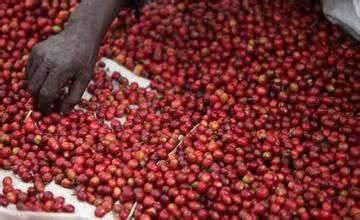
Refreshing, giving people an endless aftertaste of Yemeni coffee flavor, characteristics, taste and manor
Yemeni coffee originated from Arabian coffee trees hundreds of years ago, all produced in areas above 3000 feet above sea level. For hundreds of years, the unique planting and production methods of Yemeni coffee have remained almost unchanged. The seedlings of Yemeni coffee trees are first cultivated in nurseries and then transplanted to high elevations. Pesticides and fertilizers are not used in the breeding process. Mature coffee beans are naturally dried on coffee trees and shelled by stone grinding.

Yemeni Coffee Ancient Morning Coffee Mocha Coffee and Yemeni Coffee Origin History
Professional coffee knowledge exchange more coffee bean information Please follow the coffee workshop (Wechat official account cafe_style) the history of each country records its own culture and craftsmanship. For example, Japanese paper, Indian silk and Persian carpets. When it comes to Yemen, the most representative is coffee. In Yemen, there is nothing like the unique history of coffee trade and ancestral coffee cultivation skills.

Yemeni mocha coffee development history _ reasons for good quality of Yemeni mocha coffee _ characteristics of mocha coffee beans
Professional coffee knowledge exchange more coffee bean information please follow the coffee workshop (Wechat official account cafe_style) to ask do you know which country coffee originated? There is bound to be a stir of controversy. It is said that coffee was first found in Ethiopia, but at the same time, Ethiopia's neighbor, Yemen, was also growing and drinking coffee. The history of coffee dates back to centuries

Yemeni coffee producing area, Yemeni coffee variety
Follow the caf é (Wechat official account vdailycom) found that the beautiful cafe opened its own shop name: Yemen the Republic of Yemen per capita GDP:1500 US $(2013) location: located in Asia, south of the Arabian Peninsula (Arabian Peninsula), north bordered by Saudi Arabia (Saudi Arabia), northeast bordered by Oman (Oman), west

Yemeni Coffee with unique Flavor description processing method Grinding degree Taste characteristics Fine Coffee introduction
[acidity Acidity]: the strong acidity of all coffee grown on the plateau. The sour here is different from bitterness and Sour, and has nothing to do with pH value. It refers to a fresh and lively quality that promotes coffee to exert its functions of invigorating the mind and clearing the taste. The acidity of coffee is not the acidity or sour smell of acidity and alkalinity, nor is it unpleasant to enter the stomach.

"full of game" Yemeni coffee mocha boutique coffee bean cultivation situation, geographical location, climate, altitude
There are many answers to this question. Some people say that mocha is a certain place of origin, and some people remember that mocha is sweet chocolate coffee. In fact, authentic mocha coffee is only produced in the Republic of Yemen in the southwest of the Arabian Peninsula, grows on steep hillsides at elevations of 3, 000 to 8, 000 feet, and is the oldest coffee in the world. The delicious coffee shipped from the port of Mocha is called

Why is Yemen producing so little coffee? What are the flavor characteristics of Yemeni coffee?
Professional coffee knowledge exchange More coffee bean information Please pay attention to coffee workshop (Weixin Official Accounts cafe_style) Yemen is located in West Asia, only one step away from the African continent. Coffee would still be a wild plant in Ethiopia if it were not for the Islamic priests who popularized it in Arabia. Coffee is said to have been introduced during Ethiopian rule in the sixth century and to have been

The characteristics of Yemeni coffee boutique coffee beans: small and heavy grains
Coffee has been a traditional export product of Yemen for hundreds of years, and it is still one of the most important cash crops and export products of Yemen. Statistics show that among the top 30 exports of Yemen in 2000, cooked coffee beans, raw coffee beans and coffee shells ranked second, eighth and 21st respectively, with a total value of about $17.5 million, of which raw coffee was about $12.25 million.

Yemeni coffee grains of China Coffee Network are small and heavy.
Yemeni coffee originated from Arabian coffee trees hundreds of years ago, all of which are produced in areas above 3000 feet above sea level. For hundreds of years, the unique planting and production methods of Yemeni coffee have remained almost unchanged. The seedlings of Yemeni coffee trees are first cultivated in nurseries and then transplanted to high elevations. Pesticides and fertilizers are not used in the breeding process. Mature coffee beans are naturally dried on coffee trees and shelled by stone mill.