
"Muranga"
271 article(s) found
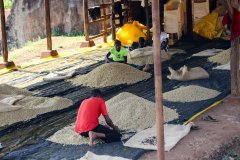
Six Coffee Bean producing areas in Kenya | Coffee treatment and different flavor and taste characteristics of different producing areas
Kenya is famous for its washed beans. Although there have been a small number of pure sun-dried beans and honey treatment sites in recent years, Kenya has traditionally focused on selling fruits, and it is difficult to persuade coffee farmers to participate in refining or change trading habits, so almost all refining is done by washing stations. 55% of Kenya's coffee is produced by 700000 small farmers and sent to their small cooperatives for refined processing, with the rest

What is the level of the champion batch of Gondor, the most famous small processing plant for Kenyan coffee?
Professional baristas please follow the coffee workshop (Wechat official account cafe_style) Kenya Coffee Murana District Gondor processing Plant AA Kenya Muranga Gondo AA Kenya Coffee has always been synonymous with quality coffee, but as most of them are small batches, produced by small farmers, whenever they find good items, they will be sold out this year and may not appear on the market the next year. It's pretty big.

This is a different fish.
Professional coffee knowledge exchange more coffee bean information please follow the coffee workshop (Wechat official account cafe_style) this batch of AA coffee fruits are picked and processed by 250 farmers in the Kongyu processing plant under the jurisdiction of the Kabare farmers' cooperative. After peeling, fermenting and cleaning the coffee from the nearby Kongyu River, the coffee will be used in an African drying bed for drying. Every one of them.

How Much Does Kenya Cost for Coffee?
Professional barista communication please pay attention to coffee workshop (Weixin Official Accounts cafe_style ) Flavor description: strong lemon and plum dry and wet aroma, light roast sip has flowers, lemon and other amazing aroma, as well as grapefruit green tea, citrus juice sweet and sour juicy, slightly deepened roast immediately with honey, pot black plum flavor, aftertaste is more green tea

Kenya washing AA grade Klinga producing area Kabarekong fish processing plant order baking boutique coffee
The fresh coffee of this batch of Kongyu AA was picked and processed by 250 farmers in Kongyu Processing Plant under Kabare Farmers Cooperative. Coffee is peeled, fermented and washed in nearby river water and dried on African drying beds. Each harvest season, farmers will process nearly 300 tons of fresh coffee. After processing, it will participate in the three weekly elections in Nairobi

A brief introduction to the History and Culture of the Origin and Development of TOP Pearl Bean and PB Fine Coffee Bean in Kaili, Kenya
Production profile: this raw bean comes from the Chakney processing plant in Neri and comes from the surrounding family farm. About 2023 coffee trees are planted on 0.5 acres (about 250 square meters) of land. Neri has always been a classic coffee producing area in Kenya, relying on Mount Kenya, with a favorable environment for coffee growth. About 65% of Kenyan coffee comes from small farmers and about 3% from large farms.

Kenya washing AA Klinga production area Cabaret hole fish processing plant fine coffee beans grind and bake
Country: Kenya Grade: AA production area: Klinaga production area altitude: 1550-1750 m soil quality: red Phosphoric Acid soil treatment: Kenyan double washing treatment Variety: SL 28, SL 34 treatment Plant: hole Fish treatment Plant producer: Cabaret Cooperative Flavor: grapefruit Green Tea, Citrus, Black Plum, located in East Africa, Kenya is one of the major coffee producing countries.
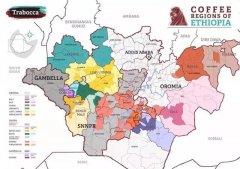
The origin of fine coffee beans in Africa, what kinds of coffee beans are in Africa, and the origin of coffee.
Speaking of coffee beans from Africa, you can immediately think of Kenyan coffee beans and Ethiopian coffee beans. Their beans have always been very popular among the people, because the rich sour fruits are really unforgettable. Africa, located in the equatorial zone, is a well-known region of coffee producers in the world, such as Ethiopia and Kenya. A

What is the rating of Kenyan coffee? What are the characteristics of Kenyan coffee?
Professional coffee knowledge exchange more coffee bean information Please follow Coffee Workshop (Wechat official account cafe_style) located in East Africa Kenya is one of the major coffee producing countries. More than 6 million people in the country are engaged in the coffee industry, mostly in the form of a combination of small farmers, washing plants and cooperatives. Kenyan coffee is mainly treated by washing, and coffee trees are mostly planted at an altitude of 140.

Kenyan coffee beans. How about Kenyan coffee beans?
Following Cafe Review (Wechat official account vdailycom) found that "Kenya", located in East Africa, is one of the major coffee producing countries. More than 6 million people in the country are engaged in the coffee industry, mostly in the form of a combination of small farmers and cooperatives. Coffee trees in Kenya are mostly planted at 1400-2000 meters above sea level, and the growth areas include Ruiri, Thika and Ki.

Kenya washed AA grade Klinga producing area Kabarekong fish processing plant fine coffee bean flavor taste
Flavor Description: Intense dry and wet aromas of lemon and plum. When lightly roasted, it has a variety of amazing aromas such as floral, lemon, etc. It also has sweet and sour juicy flavors such as grapefruit green tea and citrus juice. Slightly roasted, it has various flavors such as honey and black plum in the pot. The aftertaste is a lot of sweet and sour taste of green tea.

Kenya hole fish drink the price of Kenyan coffee beans correctly
For the exchange of professional baristas, please follow the coffee workshop (Wechat official account cafe_style) country: Kenya Grade: AA production area: Klinaga production area altitude: 1550-1750 m soil quality: red Phosphoric Acid soil treatment method: Kenyan double washing treatment Variety: SL 28, SL 34 treatment Plant: hole Fish treatment Plant producer: Cabaret Cooperative Flavor: grapefruit Green Tea

Kenyan hole fish taste fragrance variety and price of Kenyan coffee
Professional baristas Please follow the Coffee Workshop (Wechat official account cafe_style) in every Kenya before that, we especially like to pursue those angular, tough and strong acidity, and this Kenyan branch makes me feel gentle, like facing the sea, with a breeze blowing. Factory name: Qianjie Coffee Factory address: Baoan Qianjie 10 Qianjie Coffee, Yuexiu District, Guangzhou

The Origin and Development of Fine Coffee beans of Cabaret Coffee processing Plant in Kenya AA Klinaga production area
According to botanists in SL laboratory, SL28 and SL34 are genetic variants. Among them, SL28 has a mixed pedigree of French missionaries, mocha and Yemeni Tibica. The goal of cultivating SL28 was to mass produce coffee beans with high quality and resistance to diseases and insect pests. Although the later production of SL28 was not as large as expected, copper leaves and broad bean-shaped beans were very popular.

Kenya washes fine coffee beans from Cabaret hole fish processing plant in AA Klinaga area.
This Kenyan branch comes from the Kabare cooperative hole fish treatment plant in Khabare, Kenya. It uses Kenyan double washing method and grows in Manyata-Enbu County on the eastern slope of the Kenyan Mountains from 1550 to 1750. The variety is the classic Kenyan SL28,SL34, coupled with the large temperature difference between day and night, as well as the red phosphate soil in Kenya, making sweet and sour the main part of this Kenyan branch.

Cultivation of Fine Coffee beans in Cabaret Coffee processing Plant in Kenya AA Klinaga production area
Variety: SL 28, SL 34 processing plant: hole fish processing plant producer: Kabare cooperative flavor: grapefruit green tea, citrus, black plum is located in Kenya in East Africa is one of the major coffee producing countries, about 6 million people in the country are engaged in the coffee industry, mostly in the form of a combination of small farmers and cooperatives. Coffee trees in Kenya are mostly planted at 1400 m-2000 m above sea level.

Kenyan hole fish taste and flavor characteristics of Kenyan hole fish coffee
Professional barista communication please pay attention to coffee workshop (Wechat official account cafe_style) factory name: Qianjie Coffee Factory address: Guangzhou Yuexiu District Baoqian Street 10 Qianjie Cafe manufacturer contact Information: 20-38364473 shelf life: 90 net content: 227g packaging: raw maturity of bulk coffee beans: whether coffee beans contain sugar: sugar-free origin: Kenyan coffee types: other roasting degrees:

Which Kenyan coffee bean brand is good for individual coffee and how many kinds of coffee are there?
Professional coffee knowledge exchange more coffee bean information please follow the coffee workshop (Wechat official account cafe_style) front street-Kenya coffee, individual coffee variety knowledge sharing Kenya, as one of the world's top five coffee producers, where coffee beans are loved by the industry because of their unique geographical environment and unique fruit flavor, the most professional baristas will tell you Ken

How can Jia Tuji in Nyeri producing area of Kenya buy good coffee beans online
1. When buying beans online, you should pay attention to the production date, shelf life, packaging and sealing, the roasting degree of coffee beans, the types of coffee beans, and your utensils to determine what kind of beans you want. If you use blue mountain beans to make ESP, it is indeed a maverick way, but it is also too unprofessional and expensive, and the taste is not very good. The production date must be at least
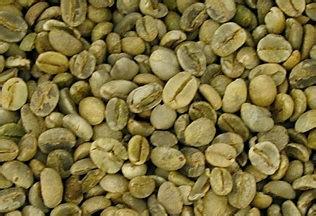
Introduction to the description of the flavor of Kenyan coffee beans by variety treatment method in brand producing areas
Description of the flavor of Kenyan coffee beans produced by the brand variety treatment method A coffee bean may have a special place name, or a method of treatment (washed or unwashed), a title, or just a letter or number after it. In some countries where the coffee industry is nationalised, the grading system seems uninteresting. In Kenya, for example, a bag of coffee might be: