
"Norway"
975 article(s) found

Average Coffee consumption in all regions of the World Coffee Culture Annual Coffee consumption
This is a list of annual per capita coffee consumption in each country, with the latest data for 2009. [1]. Ranked countries per capita Coffee consumption 1 Finland 12.0 kg 2 Norway 9.9 kg 3 Iceland 9.0 kg (2006 data) 4 Denmark 8.7 kg 5 Netherlands 8.4 kg 6 Sweden 8.2 kg 7 Switzerland 7.9 kg 8 Belgium Luxembourg 6.8 kg 9 Posny

Boutique coffee godmother-Erna. Knudsen changed an industry by himself.
Boutique coffee Specialty Coffee Fine Coffee was originally defined as "coffee beans with unique flavor produced by special geographical conditions and microclimate". It was not until 2009 that the American Fine Coffee Association set a more scientific and objective standard for boutique coffee. Boutique coffee (specialty coffee) boutique coffee is also known as exquisite coffee, gourmet coffee or high-priced premium coffee

Yes! The British are inspired to use coffee grounds as a new fuel for buses.
According to foreign media reports, green entrepreneur Arthur Arthur Kay hopes that London's iconic red bus can be powered by fuel made from coffee residue. His company, Biobean, collects coffee waste from coffee chains such as Costa and converts it.

A brief introduction to the origin, development, history and culture of bright and lively Panamanian butterfly boutique coffee beans
Panamanian coffee is classified and numbered into small batches, which are designed to have a small capacity for optimal management, and classification numbers allow buyers to understand and track the entire process. Because of its small quantity, Panamanian coffee products are based on special coffee. The country provides its high-quality products to specialized stores around the world, such as Denmark, Britain, Greece, Norway, Sweden and South Korea.

A brief introduction to the Flavor, Taste and aroma characteristics of Fine Coffee beans in the Jadeite Manor with light cocoa flavor
Panamanian coffee is classified and numbered into small batches, which are designed to have a small capacity for optimal management, and classification numbers allow buyers to understand and track the entire process. Because of its small quantity, Panamanian coffee products are based on special coffee. The country provides its high-quality products to specialized stores around the world, such as Denmark, Britain, Greece, Norway, Sweden and South Africa.

A brief introduction to the description of the flavor and aroma characteristics of coffee beans in the jadeite manor with bright taste
Panamanian coffee is classified and numbered into small batches, which are designed to have a small capacity for optimal management, and classification numbers allow buyers to understand and track the entire process. Because of its small quantity, Panamanian coffee products are based on special coffee. The country provides its high-quality products to specialized stores around the world, such as Denmark, Britain, Greece, Norway, Sweden and South Africa.

Coffee teaching class: explaining the main points of the theoretical knowledge of the golden cup rule of coffee.
Today we are going to discuss the "Gold Cup theory" of coffee. Some people do not like the gold cup theory, because the name seems to imply that as long as it meets this standard, it is "delicious coffee". In fact, I quite agree that coffee that is not in line with the golden cup theory is good, but it is a bit strange to say that we can ignore the golden cup theory at all. It may also be called "extract".

A brief introduction to the planting situation of Panama Kasha boutique coffee beans, geographical location, climate and altitude
Panamanian coffee is classified and numbered into small batches, which are designed to have a small capacity for optimal management, and classification numbers allow buyers to understand and track the entire process. Because of its small quantity, Panamanian coffee products are based on special coffee. The country provides its high-quality products to specialized stores around the world, such as Denmark, Britain, Greece, Norway, Sweden and South Africa.

Ethiopian boutique coffee beans planting situation, geographical location, climate, altitude
Ethiopian people are addicted to coffee. In 2003, domestic consumption accounted for 42.3% of the total output, with a per capita consumption of 3 kg. But more than half of the coffee produced each year is used for export to earn foreign exchange. The main exporters include the United States, Italy, the United Kingdom, Sweden, Norway, Greece, France, Belgium, Germany and Australia. Before 1974, the right to produce, process and trade coffee
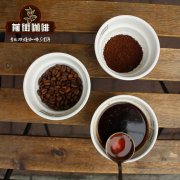
What's the taste and taste of East Timor Alpine G1 coffee beans? How to make Timmy Coffee in East Timor
Professional coffee knowledge exchange more coffee bean information please follow the coffee workshop (Wechat official account cafe_style) East Timor Alpine G1 coffee beans taste and taste? How about the planting history of East Timor Tim Coffee varieties? East Timor Maubbessee coffee, rubber, red sandalwood metaphor known as the Timorese three treasures. In particular, it can be seen that the economic importance of coffee in Timor is a proportion.
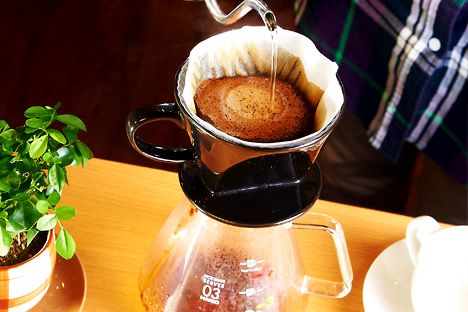
Coffee brewing method: introduction of six best hand brewing methods in the world
In recent years, the scale of hand-brewed coffee has developed rapidly in China, and more and more enthusiasts have bought hand-brewing sets at home. On the one hand, the price of hand-made coffee utensils is more friendly to the people. Second, hand-brewed coffee can show the original flavor of coffee beans. However, there are many factors that affect hand-brewed coffee. Ten thousand people can flush out ten thousand flavors. Next, let's take a look at the 201 coffee makers who gather around the world.

Professional coffee roasting | introduction of the rules and results of the 2017 Nordic Baking Competition
Professional baristas please follow the Coffee Workshop (official Wechat account cafe_style) 2017 Nordic Cup roasting contest ended last month. Nordic roaster Tim Wendelboe from Norway won the second place with both self-selected beans and designated beans, winning the championship again with the first average score. This is the third year in a row that he has won the first and sixth championship in this tournament.
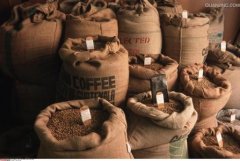
A brief introduction to the treatment method of grinding degree and baking degree of Yega Snow Fine Coffee beans in Ethiopia
Ethiopian people are addicted to coffee. In 2003, domestic consumption accounted for 42.3% of the total output, with a per capita consumption of 3 kg. But more than half of the coffee produced each year is used for export to earn foreign exchange. The main exporters include the United States, Italy, the United Kingdom, Sweden, Norway, Greece, France, Belgium, Germany and Australia. Before 1974, the right to produce, process and trade coffee
Boutique coffee Panamanian coffee category Panamanian coffee flavor Panamanian coffee taste
Panama Coffee growing Environment Panama is a small country located in the center of the American continent. The waters of the Atlantic and Pacific oceans flood its beaches. Panama is located at 9 degrees north latitude, the meeting point of the Central Mountains, where Mount Baru, one of the highest volcanoes in Central America, is located. The Baru volcano has an altitude of more than 11400 feet, and the land around it is rich in nutrients and fertile
Coffee is good for the heart of postmenopausal women
A 15-year study published recently in the American Journal of Clinical Nutrition showed that postmenopausal women who drank at least one to three cups of coffee a day had a lower risk of death from heart disease or other non-cancer inflammatory diseases.
Taiwan made it to the top six in the World Cup Coffee Competition for the first time.
Wei Ruying, a Taiwanese coffee brewer, broke into the top 6 of the competition and achieved good results for the first time.
Global coffee producing area-Suriname
Suriname (Surinam) was the first country in South America to grow coffee. The Dutch who settled in Suriname in 1667 introduced coffee trees from Java in the early 18th century. The first coffee trees were given by the mayor of Amsterdam to a Flemish pirate, a Hansback. To be exact, these coffee trees were planted in the Dutch Gui at that time.
Coffee from Suriname
Suriname (Surinam) was the first country in South America to grow coffee. The Dutch who settled in Suriname in 1667 introduced coffee trees from Java in the early 18th century. The first coffee trees were given by the mayor of Amsterdam to a Flemish pirate, a Hansback. To be exact, these coffee trees were planted in the Dutch Gui at that time.
Coffee producing area-Suriname
An important name in the history of coffee
Suriname, a global coffee producer
Suriname (Surinam) was the first country in South America to grow coffee. The Dutch who settled in Suriname in 1667 introduced coffee trees from Java in the early 18th century. The first coffee trees were given by the mayor of Amsterdam to a Flemish pirate, a Hansback. To be exact, these coffee trees were planted in the Dutch Gui at that time.