
"Searle"
129 article(s) found
An introduction to the History of Coffee in Seardang Manor, Brazil
In San Lorenzo, a city famous for its mineral water in the southeastern state of Minas Gerais, there is a coffee shop on the pedestrian street in the center of the city. Modern decoration and equipment stand out in the old city, with local residents among the customers. there are many admiring tourists. Most people drink coffee here without sugar. Theresa, a 60-year-old local lady, says the coffee here is fine.

African flavor Ethiopian grade G1G2 G3 boutique coffee beans
Pre-auction process 1) farmers pick fresh coffee fruits; 2) farmers transport fresh fruits to rural cooperatives; 3) cooperatives sell fresh fruits to middlemen; 4) middlemen collect and transport fresh fruits to processing plants (washing or tanning process); 5) middlemen transport processed beans (with shell beans, Parchment Coffee) to auction houses to establish warehouses; 6) auction houses give official evaluation (

Introduction of Yega Xuefei Coffee producing area description of flavor characteristics of Yega Xuefei, Ethiopia's boutique coffee producing area
Yirgacheffe is a small town located between 1700 and 2100 meters above sea level. It is one of the highest coffee producing areas. It is also synonymous with Ethiopian boutique coffee. Yega Xuefei's flavor is very outstanding and has its own style, which leads to the competition of Ethiopian coffee as its own coffee.

What kind of coffee is Ethiopia? introduction to the origin and variety of coffee beans.
Professional coffee knowledge exchange more coffee bean information please follow the coffee workshop (Wechat official account cafe_style) front street-Ethiopian coffee beans, coffee varieties and producing areas brief introduction to most Ethiopian varieties will be named after this name, small farmers from various forests and their own back garden picked various varieties of coffee and sent to the cooperative for centralized processing, varieties can be said to be

Ethiopian coffee bean native species of coffee bean producing area description of taste and flavor
Ethiopia has nine major coffee producing areas:, Sidamo, Yegashefi, Hara, Gemma, Lim, Iruba, Gimbi (Lekanti), Tibby, and Bebeca. Among the nine major coffee producing areas in Ethiopia, the most famous are Yegashifi, Sidamo and Harald, the largest coffee producing areas.
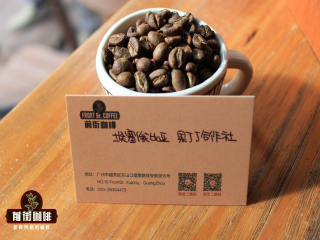
Ethiopian Yega Chefe Coffee characteristic taste description of Yega Chevy Coffee
Professional coffee knowledge exchange more coffee bean information please follow the coffee workshop (Wechat official account cafe_style) in front of the street Yega Xuefei red jade coffee flavor introduction when it comes to Yega Xuefei, acid is its typical feature. But I have to mention that apart from the taste, it is the way it is handled. In fact, the handling of coffee

Ethiopian Coffee Culture Coffee Flavor characteristics of different producing areas in Ethiopia
Ethiopia is recognized as the birthplace of coffee, and the coffee produced is also highly respected in the boutique coffee market, and Ethiopian coffee is almost available on the menus of coffee shops around the world. But why is Ethiopian coffee so well received? How well do you know this coffee-producing country? Ethiopia's producing areas vary greatly, with each producing area, micro-producing area and even farm production.

The roasting of Yega Sidamo Coffee in English
Yirgacheffe coffee raw bean is one of the most distinctive coffee in the world, rare and expensive, produced in the highlands of Ethiopia's sidamo province (4000 feet above sea level). It is an outstanding representative of washed coffee in Africa, with unique citrus and lemon fruit aromas, jasmine aromas, moderate roasting and soft acidity, deep roasting.
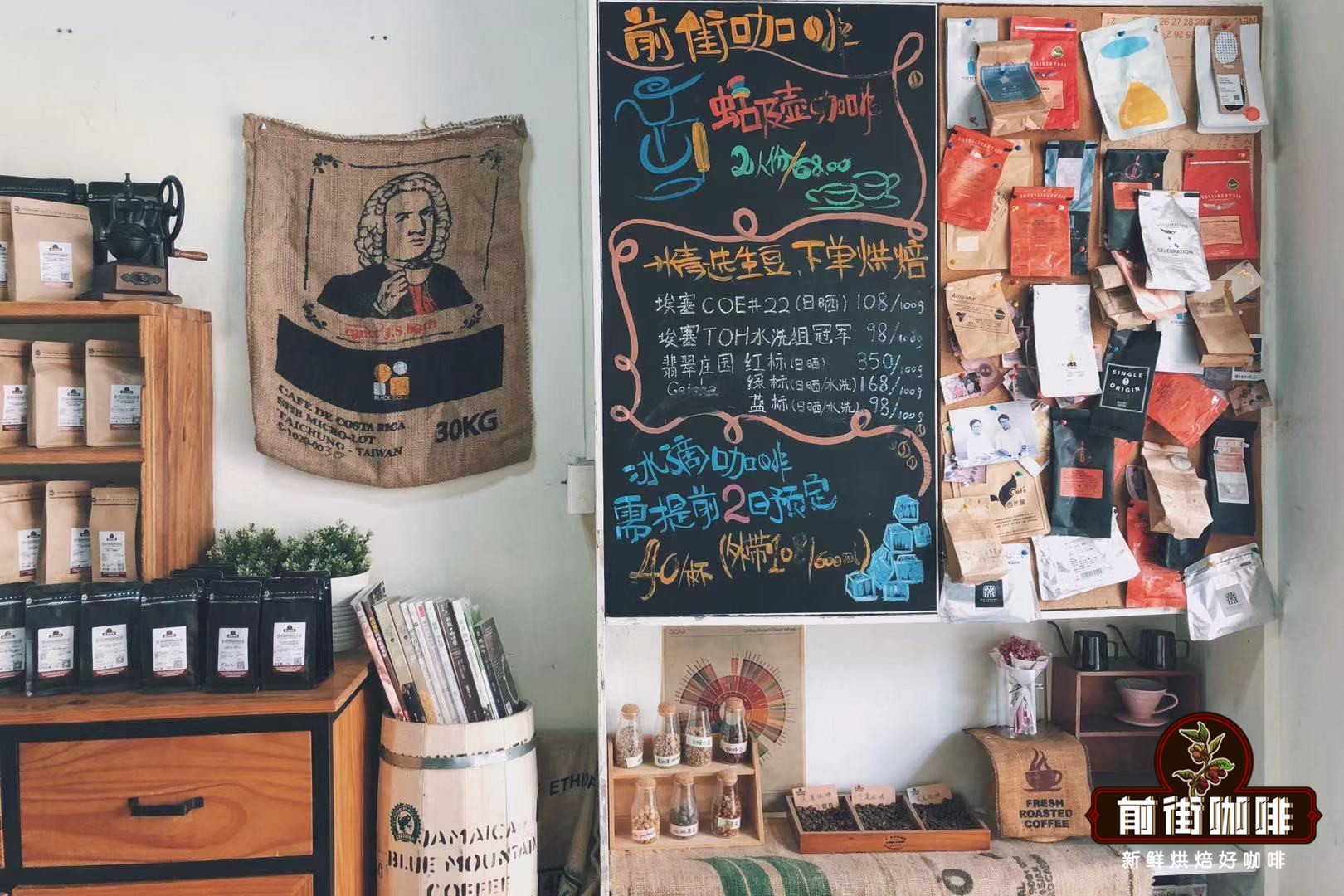
Ethiopian Rose Summer Coffee beans what's the difference between Ethiopia Rose Summer and Panama Rose Summer
Professional Coffee knowledge Exchange more coffee bean information Please follow Coffee Workshop (Wechat official account cafe_style) Geisha, a wild coffee variety originally grown in southwestern Ethiopia, was brought to the coffee estate in Bok District of Panama in 1963. Due to poor yield and high tree species, geisha was planted next to the coffee farm as a windbreak. In 2004, it was to change the geisha.