
"Wild"
10118 article(s) found

Taste wild boutique Burundian coffee flavor description, taste characteristics, treatment methods
[Bulongdi Champion processing Plant] is located at the Maerdadi Peak of the Panjia processing Plant in Cabuye District, Kajanza Province. It is very high above sea level, and there are even mountains over 2000 meters. The soil is fertile, the soil is humid, and the coffee grows very well. Burundian Coffee, which is recognized as the best coffee processing factory in Burundi, bears a striking resemblance to neighboring Rwanda, where coffee is often produced.

Ethiopian Coffee Encyclopedia
The coffee tree originated in Ethiopia, it was originally a wild plant here, and the name coffee comes from the small town of Ethiopia-Kaffa. In fact, many coffee trees in Ethiopia are still wild plants, and the coffee grown on this coffee tree is full-grained and slightly alcoholic. Ethiopia Harra in Ethiopia a long time ago, wild coffee was always raw.

Brilliant and wild Mediterranean coffee
Mediterranean coffee is a blend of coffee, chocolate syrup and various spices.
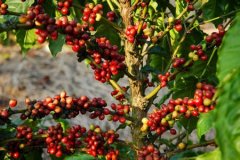
Climate change may lead to the extinction of wild coffee in 2080
According to foreign media reports, according to researchers at the Royal Botanical Gardens, if global climate change continues, plants from major coffee bean producing areas will be affected, unable to provide high-quality coffee bean products, and coffee may become extinct in 2080.

Is Ethiopian coffee good? how does Ethiopian hand-made coffee taste?
Professional coffee knowledge exchange more information about coffee beans please follow the coffee workshop (Wechat official account cafe_style) Ethiopia it all started in Ethiopia. In the country of origin, coffee trees continue to grow in the wild. In some coffee-growing areas, coffee farmers still harvest coffee beans from wild coffee forests. These wild coffee beans make a big one in the cup.

The best in coffee introduces three kinds of high-quality coffee beans
Mellow, mild, soft, sweet and fragrant coffee can not only be the main drink on the table of three meals a day, but also a refreshing thing for leisure drinks. Coffee has been a popular drink in the world for only more than 300 years, but now it has become the first of the three largest drinks in the world (the other two are tea and cocoa) and is popular all over the world. From top luxury restaurants in Europe, America and Japan to Africa and Southeast Asia
Why is Indonesian cat poop coffee so expensive?
Expensive: Cat poop coffee is the world's least produced coffee, a bag of 50 grams of coffee beans worth 1500 yuan, only 3- 4 cups of coffee. In translation, a cup sells for about 400 yuan. The global annual production does not exceed 400 kg. Villagers in these areas now collect not only wild ruaka waste but also caged ruaka. Big pots of good coffee cherries picked
Coffee flavors from different coffee producing areas around the world Ethiopia
The coffee tree originated in Ethiopia, which was originally a wild plant here, and the name coffee comes from the Ethiopian town of Kaffa. Humans may have known how to grow coffee trees as early as the 9th century. Coffee producing area in Ethiopia: many coffee trees in Ethiopia are still wild plants, and the coffee grown on this coffee tree is full of grains.

The wild taste of Gemma combines with Harald's characteristic wine bouquet Ethiopian coffee flavor
Ethiopia aroma 5 points brightness 4.5 points mellow 5 points flavor 4.5 points aftertaste 4.5 points suitable for baking: Light/Medial/City light baking to city baking can be, if the emphasis on fruit and flower fragrance must be light baking, even before the end of a burst to stop baking (Yirgacheffe can be)! If you want to emphasize flavor or mix in espresso formula,
Coffee basics Musk cat coffee is too expensive
Expensive: Kopi Luwak is the least produced coffee in the world. A bag of 50 grams of beans worth 1500 yuan can only make 4 cups of coffee. In other words, the price of a cup is about 400 yuan. The annual global output does not exceed 400 kg. Today, villagers in these areas not only collect wild Rwaka feces, but also begin to raise Rwaka in captivity. Large pots of picked coffee cherries

Kilimanjaro Coffee makes the most "wild" coffee in Africa
Coffee gourmets often use words such as wild or wild to describe Kilimanjaro coffee, which has a unique cocoa aroma and strong glycol. This kind of coffee beans have extraordinary quality. It is one of the top representatives of AA coffee beans in Tanzania, bred by volcanic ash and made by nature. It can be said that the pure Kilimanjaro coffee is the most African coffee.

Introduction of top coffee with wild and distinctive personality of TOP Mahiga in AA Neri, Kenya
Professional barista exchanges please follow the coffee workshop (Wechat official account cafe_style) Kenya AA TOP Mahiga (Kenya Mahiga AA TOP) flavor description: plum, tea, kumquat, fine flowers. Country of origin: Kenya (Kenya) production area: Neri production area (Nyeri) producer: Mahiga treatment Plant (Mahiga Factory) varieties: SL28, SL34 classification
Yemeni mocha beans Wild taste of the Red Sea
Yemeni mocha is one of the oldest coffees in the world, but it is only recently that Yemeni mocha has come to be regarded as one of the best and most delicious coffees in the world. Mocha coffee is synonymous with coffee. Its unique aroma and sourness deeply attract many coffee lovers. Mocha coffee takes its name from Yemen's mocha, a port that is no longer accessible.
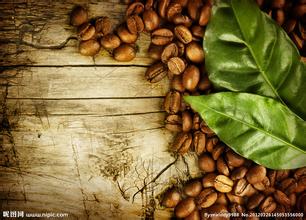
Characteristics of Ethiopian coffee beans
The coffee tree originated in Ethiopia, which was originally a wild plant here, and the name coffee comes from the Ethiopian town of Kaffa. In fact, many coffee trees in Ethiopia are still wild plants, and the coffee grown on this coffee tree is full-grained and slightly alcoholic. Humans may have known how to grow coffee trees as early as the 9th century, but

Fine Coffee Ethiopian Coffee Manor
The birthplace of coffee-Ethiopia. The coffee tree originated in Ethiopia, which was originally a wild plant here, and the name coffee comes from the Ethiopian town of Kaffa. In fact, many coffee trees in Ethiopia are still wild plants, and the coffee grown on this coffee tree is full-grained and slightly alcoholic. Humans may have been in the 9th century.
Yemeni Moka-the wild taste of the Red Sea
Yemeni mocha is one of the oldest coffee in the world, but until recently, Yemeni mocha has come to be regarded as one of the best and most delicious coffee in the world. Mocha coffee, which has a long history, is synonymous with coffee. Its unique aroma and sour taste have deeply attracted many coffee lovers. The name mocha coffee comes from Mocha in Yemen, which can no longer be used in this port.

Research says wild coffee beans will become extinct in the future if global warming continues
The threat to coffee trees is becoming more and more serious, and upheaval may follow. In the coming decades, coffee bean production is likely to move from the equator to the mountains, leading to deforestation. In addition, in addition to rising temperatures, climate change may also lead to the spread of fungi, which in turn destroys coffee trees. In 2012, abnormal high temperatures and rainfall occurred in Central America, and coffee leaf rust then attacked coffee trees.
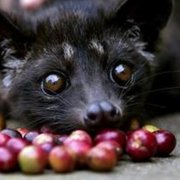
Why is Kopi Luwak so expensive? Kopi Luwak is too expensive.
Expensive: Kopi Luwak is the least produced coffee in the world. A bag of 50 grams of beans worth 1500 yuan can only make 4 cups of coffee. In other words, the price of a cup is about 400 yuan. The annual global output does not exceed 400 kg. Today, villagers in these areas not only collect wild Rwaka feces, but also begin to raise Rwaka in captivity. Large pots of picked coffee cherries
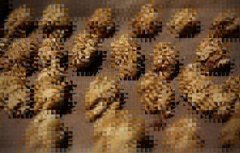
Civet coffee is too expensive. Why is Kopi Luwak so expensive?
Expensive: Kopi Luwak is the least produced coffee in the world. A bag of 50 grams of beans worth 1500 yuan can only make 4 cups of coffee. In other words, the price of a cup is about 400 yuan. The annual global output does not exceed 400 kg. Today, villagers in these areas not only collect wild Rwaka feces, but also begin to raise Rwaka in captivity. Large pots of picked coffee cherries