
"Yayu"
174 article(s) found
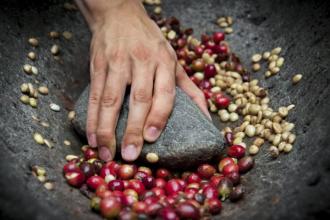
Taste characteristics of Solar fermented Natural Ethiopian Coffee introduction to Fine Coffee Bean in Manor
Ethiopia has unique natural conditions suitable for growing all imaginable varieties of coffee. As a upland crop, Ethiopian coffee beans are mainly grown in areas between 1100 and 2300 meters above sea level, roughly distributed in southern Ethiopia. Deep soil, well drained soil, weakly acidic soil, laterite and soil are soft and contain

Characteristics of natural fermented, mellow and insolated Ethiopian coffee varieties taste manor boutique coffee bean flavor
Ethiopia has unique natural conditions suitable for growing all imaginable varieties of coffee. As a upland crop, Ethiopian coffee beans are mainly grown in areas between 1100 and 2300 meters above sea level, roughly distributed in southern Ethiopia. Deep soil, well drained soil, weakly acidic soil, laterite and soil are soft and contain

A brief introduction to the treatment method of grinding degree and baking degree of lively and sour Sidamo Shakiso boutique coffee beans
In the fifties and sixties of this century, many African countries became independent one after another and adopted green, yellow and red as the colors of the national flag, so they were called pan-African colors. Ethiopia is one of the ancient countries in Africa, with a long history of more than 3000 years, giving green, yellow and red colors deeper roots in this land. Historically, they are closely related to the liturgy of the Coptic church.

Variety characteristics of naturally fermented sun-cured Ethiopian coffee introduction to the flavor of fine coffee beans in the manor
Ethiopia has unique natural conditions suitable for growing all imaginable varieties of coffee. As a upland crop, Ethiopian coffee beans are mainly grown in areas between 1100 and 2300 meters above sea level, roughly distributed in southern Ethiopia. Deep soil, well drained soil, weakly acidic soil, laterite and soil are soft and contain

Taste characteristics of natural Ethiopian coffee fermented in the sun introduction to the flavor of fine coffee beans in the manor
Ethiopia has unique natural conditions suitable for growing all imaginable varieties of coffee. As a upland crop, Ethiopian coffee beans are mainly grown in areas between 1100 and 2300 meters above sea level, roughly distributed in southern Ethiopia. Deep soil, well drained soil, weakly acidic soil, laterite and soil are soft and contain
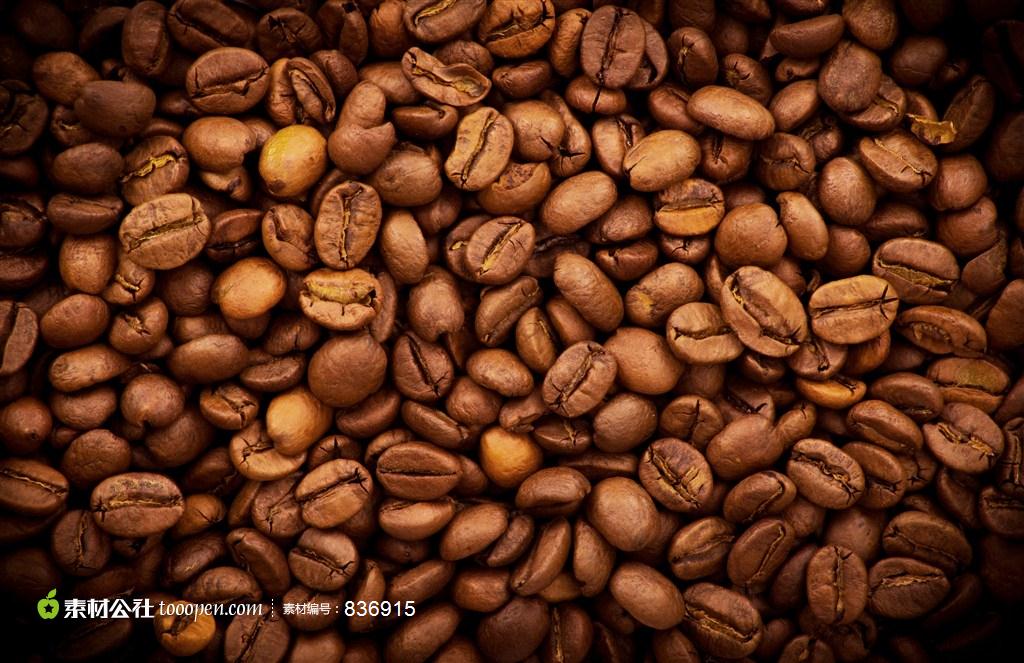
Introduction to the flavor of high-quality coffee beans in the manor characteristics of natural Ethiopian coffee fermented in the sun
Ethiopia has unique natural conditions suitable for growing all imaginable varieties of coffee. As a upland crop, Ethiopian coffee beans are mainly grown in areas between 1100 and 2300 meters above sea level, roughly distributed in southern Ethiopia. Deep soil, well drained soil, weakly acidic soil, laterite and soil are soft and contain

Blueberry Tea Floral Sitama Charkiso Fine Coffee Bean Planting Location Climate Elevation
Limu Coffee This coffee is grown in areas ranging from 1400 to 2000 meters above sea level. This coffee is wet processed and has a strong aroma; the fruit is full and the pH is moderate; the quality is excellent and the spicy flavor is attractive. It is estimated that the average annual production of this coffee is 29000 tons (equivalent to 480,000 bags of 60 kg coffee) out of 49000 hectares of cultivated acreage.

Ethiopian coffee powder introduction of Ethiopian coffee beans
Now, Ethiopia produces coffee not only for drinking, but also for coffee lovers around the world to enjoy it better. With the continuous improvement of the quality and production efficiency of the coffee industry, Ethiopia is now more than ever able to provide high-quality coffee to even the most picky and discriminating customers. Ethiopia hopes that not only the world

A brief introduction to the flavor, taste and aroma characteristics of Sidamo Shakiso boutique coffee beans
Flavor: medium sweet and sour aromas of sun berries, citrus, slightly fermented fruit, fruit wine. Palate: comfortable and interesting sour fruit, good sweetness and low thickness. Ethiopian coffee beans grow in close to the natural environment, after years of planting under the same growth conditions, Ethiopian coffee beans have gradually adapted to the environment here. Exceed

A brief introduction to the Origin, Development, History and Culture of Sidamo Shakiso Fine Coffee beans
Shakisso/Shakiso, located in the Guji producing area of Sidamo, is one of the micro-producing areas with regional characteristics in the Sidamo producing area. The coffee in this region is quite unique, and the coffee produced has often attracted the attention of the market. The original meaning of Ninety Plus's legendary bean (nekisse) comes from Nectar from shakisso, its producing area.

A brief introduction to the Origin, Development, History and Culture of Sidamo Shakiso Fine Coffee beans
Ethiopian coffee beans grow in close to the natural environment, after years of planting under the same growth conditions, Ethiopian coffee beans have gradually adapted to the environment here. More than 60% of coffee beans are grown in forests or semi-forests. Large-scale coffee-growing villages account for about 35% of the country's total coffee production. Many of these are used.

A brief introduction to the market price of Sidamo Shakiso boutique coffee beans with lively and sour taste
Antigua coffee can be traced back to the Mayan civilization. Due to the eruption of the volcano, the soil here is more nutritious, and the sufficient sunlight and moisture also make the coffee produced excellent quality. Most importantly, the residents here insist on growing Arabica bourbon coffee, although the yield is small, but the texture is better. Because the residents of Antigua grow coffee in a large area,

A brief introduction to the treatment method of grinding degree and baking degree of Sidamo Shakiso boutique coffee beans with endless aftertaste
Production area: Sidamo varieties: Native Arabica treatment: washing flavor: moderate sweet and sour sun berry aroma, citrus aroma, slightly fermented fruit aroma, fruit wine flavor. Palate: comfortable and interesting sour fruit, good sweetness and low thickness. Baking degree: medium baking area: Sidamo variety: Native Arabica treatment: high washing in western Ethiopia

Introduction to the origin of Arabica coffee beans introduction to Arabica Coffee Manor
Arabica coffee accounts for 75%, 80%, and its excellent flavor and aroma make it the only coffee that can be drunk directly among these native species. But its resistance to dryness, frost, diseases and insect pests is low, especially the natural enemy of coffee leaf rust, so the producing countries are committed to variety improvement. Sley.

A brief introduction to the Market Price of Ethiopian Fine Coffee Bean varieties with small fragrant beans
Yega Xuefei is a small town, 700-2100 meters above sea level, synonymous with Ethiopian boutique coffee. It has been a wetland since ancient times. The ancient saying "Yirga" means to settle down and "Cheffe" means a wetland. The mode of production and flavor of coffee here are so outstanding that Ethiopian coffee farmers compete to take pride in the flavor of their coffee, making it the worst in Africa.

A brief introduction to the history and culture of the origin and development of sweet Ethiopian boutique coffee beans
Getachew Mengistie, director of Ethiopia's Bureau of intellectual property, bluntly pointed out that farmers sell raw beans for $1.45 a pound, while Starbucks sells for $26 a pound in the United States, 18 times the price difference between the two places. The reason is that Ethiopia does not know how to use intellectual property rights to create value for farmers, as long as the name of Ethiopian high-quality beans, it can be higher than the average in the United States.

Ethiopian coffee beans with floral apricot peaches Location Climate Altitude Profile
Ethiopia's Yirgacheffe coffee is petite, but gentle and sweet. As the home of coffee, Ethiopia's millennia of growing and processing traditions have resulted in high-quality washed Arabica beans. Light baked with unique lemon, floral and honey sweet aromas, soft fruit acids and citrus notes, fresh and bright taste. not

A brief introduction to the flavor and aroma characteristics of Ethiopian boutique coffee beans
Ethiopia's Yega Coffee is Ethiopia's most important export cash crop and a major source of Ethiopia's foreign exchange earnings. Ethiopia's coffee exports account for about 3% of the world market, making it the eighth largest coffee exporter in the world. Coffee exports increased steadily from 58000 tons in 1990-1991 to 110000 tons in 1995-96, and remained at this level for the next few years.

A brief introduction to the market price of sweet and lovely Ethiopian boutique coffee beans
In Ethiopia, the grading and quality control system of coffee is divided into three levels: producer, regional and national. All coffee is inspected by local inspection agencies before leaving the country of origin, and then re-tested at the coffee inspection and grading centers in Addis and Diredawa to determine its quality grade. Coffee is graded before auction and sale, for all involved in production, acquisition,

A brief introduction to the Flavor, Taste and aroma characteristics of Fine Ethiopian Coffee beans
Ethiopia grows coffee in different climatic zones, so it has more than 140 farm varieties, and fresh coffee is produced all the year round. The quality of Ethiopian coffee varies according to different elevations and regional ecological environment. The Harar coffee in the southeast highland is a typical Muha coffee with a strong flavor; the coffee produced in the southwest Wollega has a rich fruity flavor; Limu coffee