
"Yungas"
313 article(s) found

The history, culture, stories and allusions of the holy boutique beans of the Snow vein Manor in Bolivia.
For the exchange of professional baristas, please follow the coffee workshop (Wechat official account cafe_style) the history, culture, stories and allusions of the holy boutique beans of Snow vein Manor in Bolivia. BOLIVIA Bolivian population: 10461000 coffee-growing areas in Bolivia have never been significantly drawn, and because of this, different bean bakers use different naming conventions to describe different ones.

Bolivian Fine Coffee Bean Flavor Taste Manor introduces the characteristics of Bolivian Coffee
Arabica coffee cannot be grown in cold places above 2000 meters above sea level. if the altitude is too high, coffee trees will frost because the temperature is too low. So Bolivian coffee is mainly grown in the Yungas region northeast of La Paz. It borders the Amazon basin and is about 1500-2500 meters above sea level with an average annual temperature of about 10-15 ℃. Therefore, it ensures the growth of coffee.

Bolivian coffee producer Yongas, northeast of La Paz, has a unique coffee growing environment.
We know that Arabica coffee cannot be grown in cold places above 2000 meters above sea level. if the altitude is too high, coffee trees will frost because the temperature is too low. So Bolivian coffee is mainly grown in the Yungas region northeast of La Paz. It borders the Amazon basin and is about 1500-2500 meters above sea level with an average annual temperature of about 10-15 ℃. Therefore, guarantee

Introduction of Bolivian coffee producing areas with rich and balanced taste and unique aroma
Arabica coffee cannot be grown in cold places above 2000 meters above sea level. if the altitude is too high, coffee trees will frost because the temperature is too low. So Bolivian coffee is mainly grown in the Yungas region northeast of La Paz. It borders the Amazon basin and is about 1500-2500 meters above sea level with an average annual temperature of about 10-15 ℃. Therefore, it ensures the growth of coffee.

How is the planting of single bean in Xuemai Manor? introduction to the award-winning situation of single bean in Xuemai Manor
For the exchange of professional baristas, please pay attention to the coffee workshop (Wechat official account cafe_style) Takesi snow vein manor, where the average temperature is only 15 degrees C, the water source comes from alpine melting snow, no pollution, and there is rich volcanic soil, more than 2000 meters above sea level, the coffee planted is full of various aromas and full of sweetness. She is the 2009 Bolivian champion Takesi snow vein manor.

The coffee producing area of the snow vein manor in Bolivia introduces the elevation of the coffee beans in the snow vein manor.
Professional barista exchanges please follow the coffee workshop (Wechat official account cafe_style) Bolivia snow vein manor coffee production area snow vein manor coffee beans elevation how much Takesi snow vein manor here the average temperature is only 15 degrees C, the water comes from alpine melting snow water, no pollution, and there is rich volcanic soil, more than 2000 meters above sea level, the grown coffee is full of various aromas and

Characteristics of Bolivian boutique coffee beans Santa Cruz Manor Java Coffee
Bolivian coffee when it comes to Bolivian boutique coffee, it is necessary to mention the Caranavi producing area of Yungas, as well as the soul Pedro Roderiguez. Pedro has been growing coffee in Bolivia for 30 years, and it can be said that it has witnessed the precarious prosperity of Bolivian coffee cultivation / export, while still guarding the original intention. To

Characteristics of taste and flavor in Bolivian areas
Bolivia, located on the southeast side of Peru, is an alpine country. La Paz (capital) is 3660 meters above sea level. Coffee cannot be grown in such a cold place. But YUNGAS, northeast of La Paz, borders the Amazon basin. The altitude is a little lower. About 1500-2500 meters. The average annual temperature is about 10-15 degrees without frost damage in winter. The fertile soil is characteristic of the main coffee producing areas in Bolivia. America

Bolivia Coffee Manor production area introduction Xuemai Manor introduction Fine Coffee beans
Takesi Manor is located in the Mururata mountain area of Sud Yungas, about 100km away from the capital La Paz, and can only be reached by the Inca ancient road. Here, it is still a branch of the Andes, and the manor belongs to the Agrotakesi SA institution. The whole farm has about 2500 hectares, about 1900 to 3000 meters above sea level. Takesi, which grows coffee, is as high as 2100 meters above sea level, which should be a rare high altitude.

Introduction to the characteristics of coffee bean flavor description price variety producing area in Bolivia and Cameroon
Bolivian boutique coffee Arabica coffee cannot be grown in cold places above 2000 meters above sea level. if the altitude is too high, coffee trees will frost because of low temperatures. So Bolivian coffee is mainly grown in the Yungas region northeast of La Paz. It borders the Amazon basin and is about 1500-2500 meters above sea level with an average annual temperature of about 10-15 ℃. Because of

A country of mountains. Bolivian coffee growing area in La Paz
Bolivia is described as a country of mountains, southeast of Peru. La Paz is 3660 meters above sea level. Coffee cann't grow in this cold. But YUNGAS, northeast of La Paz, borders the Amazon basin. The altitude is slightly lower. About 1500-2500 meters. The average annual temperature is about 10-15 degrees and there is no frost damage in winter. Fertile soil is characteristic of Bolivia's main coffee-producing area

Bolivian coffee flavor Bolivia coffee bean producing area Bolivian coffee bean flavor
Professional coffee knowledge exchange more coffee bean information please follow the coffee workshop (Wechat official account cafe_style) Bolivian coffee beans medium-bodied Bolivian coffee is compared to Colombian coffee. It is a landlocked country in South America, with Peru and Chile to the west, Brazil to the northwest and Argentina / Paraguay to the south. Altitude: 1400-1600 m above sea level

Introduction to Bolivian Coffee Manor, producing area of Alpine country Coffee
This is the description of Bolivian coffee; Bolivia, located on the southeast side of Peru, is. La Paz (capital) is 3660 meters above sea level. Coffee cannot be grown in such a cold place. But YUNGAS, northeast of La Paz, borders the Amazon basin. The altitude is a little lower. About 1500-2500 meters. The average annual temperature is about 10-15 degrees without frost damage in winter. The fertile soil is characteristic of the main coffee producing areas in Bolivia. America

Introduction to Bolivian Coffee Manor, producing area, characteristics and Flavor
Takesi Manor in the Mururata mountains of Sud Yungas, about 100km from the capital La Paz, can only be reached by the Inca ancient road. Here, it is still a branch of the Andes, and the manor belongs to the Agrotakesi SA institution. The whole farm has about 2500 hectares, about 1900 to 3000 meters above sea level. Takesi, which grows coffee, is as high as 2100 meters above sea level, which should be a rare high sea.

What is the taste and flavor of Bolivian coffee Linda washed with long beans? How do you rush Bolivia?
Professional coffee knowledge exchange more coffee bean information please follow the coffee workshop (Wechat official account cafe_style) Bolivian coffee Linda washed long beans taste and flavor? How to wash beans with Bolivian coffee water before it tastes good? Bolivia is one of the most difficult growing areas in the world, and transportation and climate are the biggest problems. This year, after a special relationship of origin,

Introduction to the Blood Manor of the Coffee producing country of Bolivia
In boutique coffee, this is the description of Bolivian coffee; Bolivia, located on the southeast side of Peru, is an alpine country. La Paz (capital) is 3660 meters above sea level. Coffee cannot be grown in such a cold place. But YUNGAS, northeast of La Paz, borders the Amazon basin. The altitude is a little lower. About 1500-2500 meters. The average annual temperature is about 10-15 degrees without frost damage in winter. The fertile soil is Bolivia.
Flavor characteristics of Bolivian Rosa Coffee beans the story of Bolivian Rosa cousin Java Coffee
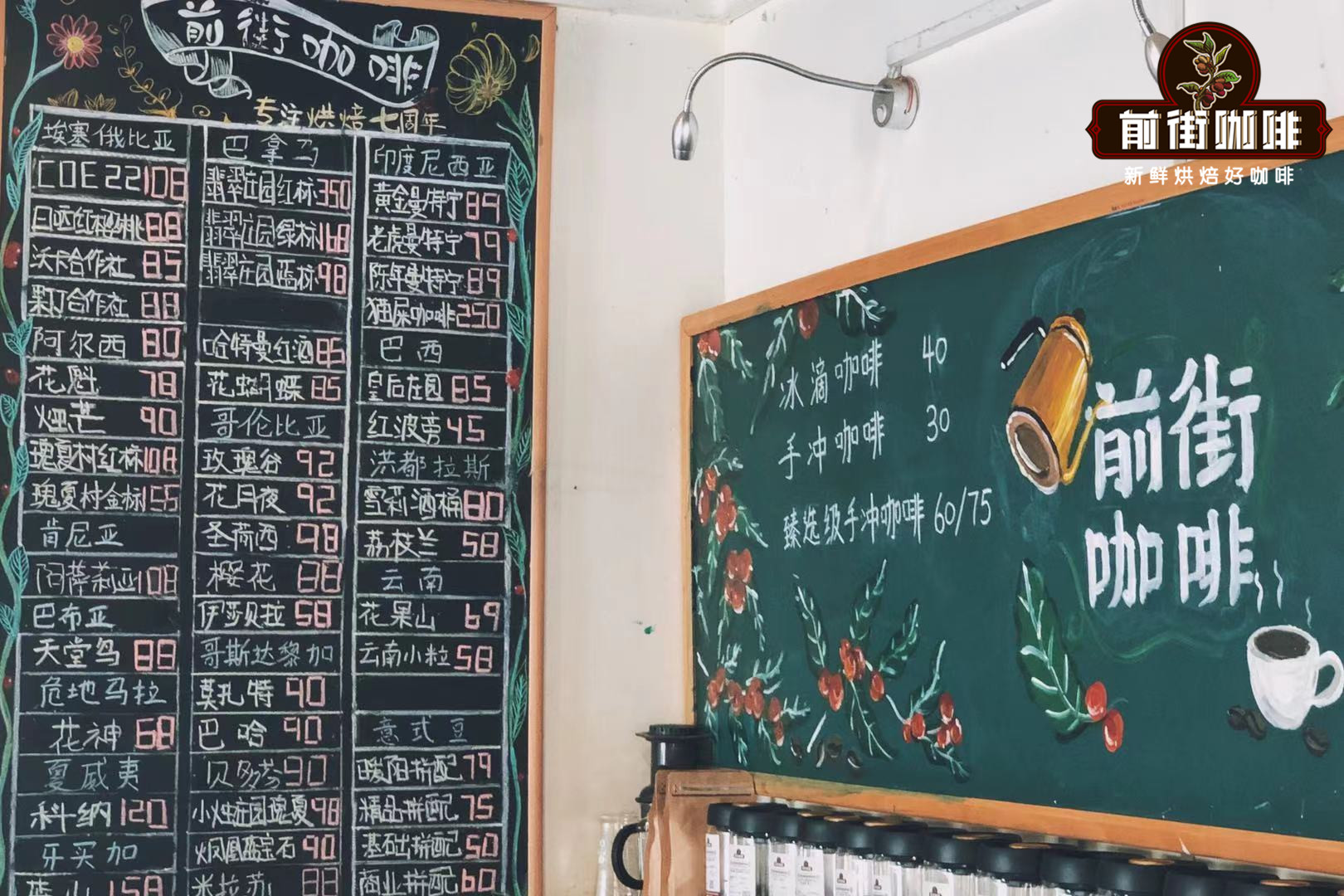
Professional coffee knowledge exchange more coffee bean information please follow the coffee workshop (Wechat official account cafe_style) Bolivia is an interesting place, although it is known as the paradise of coffee growth, but its production has not been high. Qianjie Coffee has been served in Bolivian coffee several times, and its exquisite flavor is very impressive. The history of Bolivia is very interesting, though

Introduction of Bolivian coffee producing areas with excellent coffee varieties
Arabica coffee cannot be grown in cold places above 2000 meters above sea level. if the altitude is too high, coffee trees will frost because the temperature is too low. So Bolivian coffee is mainly grown in the Yungas region northeast of La Paz. It borders the Amazon basin and is about 1500-2500 meters above sea level with an average annual temperature of about 10-15 ℃. Therefore, it ensures the growth of coffee.

High quality and sour Bolivian coffee beans introduce boutique coffee
Arabica coffee cannot be grown in cold places above 2000 meters above sea level. if the altitude is too high, coffee trees will frost because the temperature is too low. So Bolivian coffee is mainly grown in the Yungas region northeast of La Paz. It borders the Amazon basin and is about 1500-2500 meters above sea level with an average annual temperature of about 10-15 ℃. Therefore, it ensures the growth of coffee.

Treatment of coffee beans in manors in Bolivian coffee bean producing areas
This is the description of Bolivian coffee; Bolivia, located on the southeast side of Peru, is an alpine country. La Paz (capital) is 3660 meters above sea level. Coffee cannot be grown in such a cold place. But YUNGAS, northeast of La Paz, borders the Amazon basin. The altitude is a little lower. About 1500-2500 meters. The average annual temperature is about 10-15 degrees without frost damage in winter. Fertile soil is a special feature of the main coffee producing areas in Bolivia.