
"Zaire"
197 article(s) found
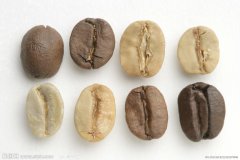
Coffee scent bottle (coffee nose) instruction manual (No. 1-9 bottle) Chinese version
The nose-smelling bottle of 36-flavor coffee can be said to be one of the artifacts of coffee lovers. Many coffee players have a set to correct their sense of coffee smell and is an official auxiliary tool certified by Q-Grader coffee tasters. However, many domestic enthusiasts often put the very high-end instruction manual on the shelf after taking the incense bottle home, and the author is no exception. Straight

Classification of coffee beans
● 's key to distinguishing coffee beans has recently been the increase in the number of unroasted raw coffee bean stores across the country in response to the gourmet needs of customers. In the store, you can personally choose what you like from the raw coffee on display, and some stores can also bake it for you on the spot. In this way, you can taste the fried and fragrant coffee at home. Here, for all of you

Characteristics and Flavor description of Ugandan Coffee Bean Variety
For the exchange of professional baristas, please follow the Coffee Workshop (Wechat official account cafe_style) this batch of Ugandan Bugishu AA is very different from the Kenyan beans in neighboring countries. The acidity is not so bright, and it is not as good as the wine, sweetness and spices that occasionally appeared in the early Bugishu, but the body is as good as the Kenyan beans that arrived this year! Bugishu (or Bugisu), which happens to be
Tell me about the classification of coffee beans
● 's key to distinguishing coffee beans has recently been the increase in the number of unroasted raw coffee bean stores across the country in response to the gourmet needs of customers. In the store, you can personally choose what you like from the raw coffee on display, and some stores can also bake it for you on the spot. In this way, you can taste the fried and fragrant coffee at home. Here, for all of you

Uganda single bean coffee bean flavor description baking recommended production area distribution and planting history
The exchange of professional baristas please pay attention to the coffee workshop (official Wechat account cafe_style). In the new season of 2010, the coffee produced by the Bugisu producing area is AA, and the coffee raw beans are dark green. From the appearance of the raw beans, it can be seen that the traditional Arabica beans are about 1819 mesh big.

Introduction to the treatment method of planting and Development History of Ugandan Coffee single Bean Flavor description
For professional baristas, please follow the coffee workshop (Wechat official account cafe_style) Ugandan coffee in Uganda, Arabica beans account for only 10% of the country's total coffee production, but it is enough to attract attention. The best coffee in Uganda is mainly produced in the mountains of Elgon and Bugisu along the Kenyan border in the north, as well as
Classification of high-quality coffee beans in coffee knowledge
● 's key to distinguishing coffee beans has recently been the increase in the number of unroasted raw coffee bean stores across the country in response to the gourmet needs of customers. In the store, you can personally choose what you like from the raw coffee on display, and some stores can also bake it for you on the spot. In this way, you can taste the fried and fragrant coffee at home. Here, for all of you

Description of planting Information and Flavor of single Coffee Bean grading Standard in Uganda
For the exchange of professional baristas, please pay attention to the coffee workshop (Wechat official account cafe_style) several kinds of coffee beans in Arabica (ARABICA) Uganda coffee grade is the same as Kenya. The AA grade is the best, which represents the uniform and uniform size of coffee beans, but the grading system will vary according to the evaluation of each manor. for example, Manor An is better than Manor B, even if it is superior to Manor B.

The classification of coffee beans the essentials of distinguishing coffee beans
● 's key to distinguishing coffee beans has recently been the increase in the number of unroasted raw coffee bean stores across the country in response to the gourmet needs of customers. In the store, you can personally choose what you like from the raw coffee on display, and some stores can also bake it for you on the spot. In this way, you can taste the fried and fragrant coffee at home. Here, for all of you

Classification of coffee beans representation of names and specifications of coffee beans
● 's key to distinguishing coffee beans has recently been the increase in the number of unroasted raw coffee bean stores across the country in response to the gourmet needs of customers. In the store, you can personally choose what you like from the raw coffee on display, and some stores can also bake it for you on the spot. In this way, you can taste the fried and fragrant coffee at home. Here, for all of you

Classification of coffee beans explanation of packaging names and specifications of coffee beans
● 's key to distinguishing coffee beans has recently been the increase in the number of unroasted raw coffee bean stores across the country in response to the gourmet needs of customers. In the store, you can personally choose what you like from the raw coffee on display, and some stores can also bake it for you on the spot. In this way, you can taste the fried and fragrant coffee at home. Here, for all of you

What are the advantages of Arabella and Robusta, the big categories of world coffee beans? The common Arabica
Professional coffee knowledge exchange more coffee bean information please follow the coffee workshop (Wechat official account cafe_style) the world coffee bean classification of Arabella and Robusta advantages? How many kinds of Arabica are common? The world's three major coffee varieties are relatively brief: one. Types of coffee: coffee beans can be roughly divided into three categories: (1) Arabica (Arab)
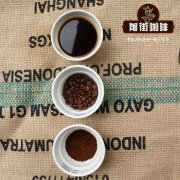
Brief introduction of Coffee Flavor defect Group Aromatic Taint 36 smell bottle
Professional coffee knowledge exchange more coffee bean information please follow the coffee workshop (Wechat official account cafe_style) Aromatic Taint (defect group) (wet): soil Eathy, straw Straw, medicine Medicinal soil: flavor type (Aroma group) earth soil flavor characteristics (Aromatic features of the sample): this is new after heavy rain

Brief introduction of Organic Coffee beans and reasons for choosing Organic Coffee beans
Communication of professional baristas Please pay attention to Coffee Workshop (Wechat official account cafe_style) Organic Coffee beans Organic Coffee beans in many parts of the world, growers use pesticides to control the growth of coffee pests, and moist and foggy coffee at high elevations are often more vulnerable to pests, so growers often use insecticide treatments. Many people think that as long as synthetic killing is not used during the growth of coffee
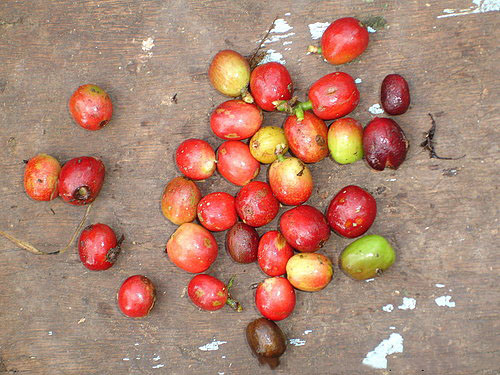
A coffee tree is not a tree? The cultivation method of Coffee and the Standard of fertilization in Coffee Garden
Professional coffee knowledge exchange more information about coffee beans Please follow the coffee workshop (Wechat official account cafe_style) what are the fruits and seeds of coffee? The good quality and type of coffee depends on the cultivation method of coffee the elements of coffee cultivation (the conditions of coffee cultivation) Coffee tree is called a tree, but it is actually an evergreen shrub. If

The basic classification of coffee varieties? What are the common types and characteristics of coffee? The name of the classification of coffee beans
Professional coffee knowledge exchange more coffee bean information please follow the coffee workshop (Wechat official account cafe_style) the basic classification of coffee varieties? What are the common types and characteristics of coffee? What is the name and taste of coffee beans? Coffee beans can be divided into Arabica and Robusta: Arabica accounts for about 70% of the total output of coffee in the world.
How to process coffee
The History of Coffee 2008-01-02 12:40 A legend of coffee was discovered around the 5th century AD on the Ethiopian plateau, a young shepherd accidentally found his sheep eating the red fruit of a bush and became very excited. the young shepherd thought it strange, so he picked a few fruits and tasted it, and immediately became excited. Soon, the shepherd's hair