
"aficionado"
67 article(s) found

Answers to frequently asked questions about the Philharmonic pressure brewing coffee
Question 1: is it better to use Philharmonic pressure filter paper or metal filter mesh? A: you may not like coffee made from filter paper as much as coffee made from metal filter. The metal mesh allows a lot of sediment and gum to enter the coffee, making the coffee taste heavy and rough, similar to coffee made by pressing pots. We organized a number of coffee lovers to test that most people like the coffee made by filter paper. About

Answers to frequently asked questions about the Philharmonic pressure brewing coffee
Question 1: is it better to use Philharmonic pressure filter paper or metal filter mesh? A: you may not like coffee made from filter paper as much as coffee made from metal filter. The metal mesh allows a lot of sediment and gum to enter the coffee, making the coffee taste heavy and rough, similar to coffee made by pressing pots. We organized a number of coffee lovers to test that most people like the coffee made by filter paper. About
Italian coffee machine frothing tips and some advice
Have you ever had a cappuccino like this? It looks like a glass of art, but it tastes silky smooth. I hope you did, because that's all there is to a cappuccino. If you've ever had one of these cappuccinos, I think you'll probably agree with me: It's hard to drink a bubbly, fluffy cappuccino. So what makes a real cup of cards
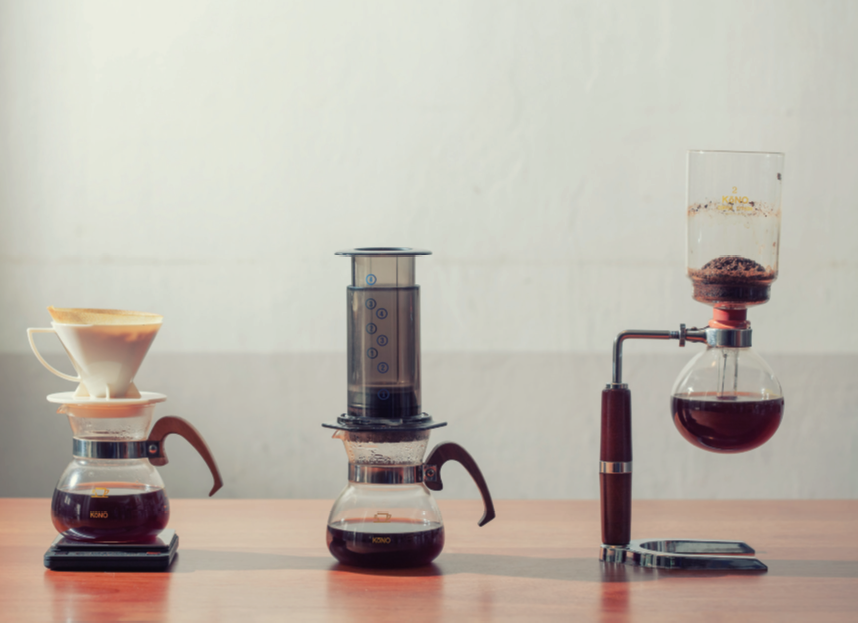
Analytical immersion extraction! The simplest way to brew coffee ── classic siphon pot
For the exchange of professional baristas, please pay attention to the immersion extraction method in the coffee workshop (Wechat official account cafe_style). As the name implies, its principle is to let the coffee powder soak in a container and interact with hot water for a period of time to dissolve and spread to release the flavor and aromatic substances of the coffee smoothly, and to complete the extraction before the miscellaneous flavor is precipitated.
Classic siphon pot operation skills | how to make siphon coffee at home
For the exchange of professional baristas, please pay attention to the immersion extraction method in the coffee workshop (Wechat official account cafe_style). As the name implies, its principle is to let the coffee powder soak in a container and interact with hot water for a period of time to dissolve and spread to release the flavor and aromatic substances of the coffee smoothly, and to complete the extraction before the miscellaneous flavor is precipitated.
The Flavor characteristics of Coffee in Central America the name of coffee producing area and the flavor of coffee are introduced.
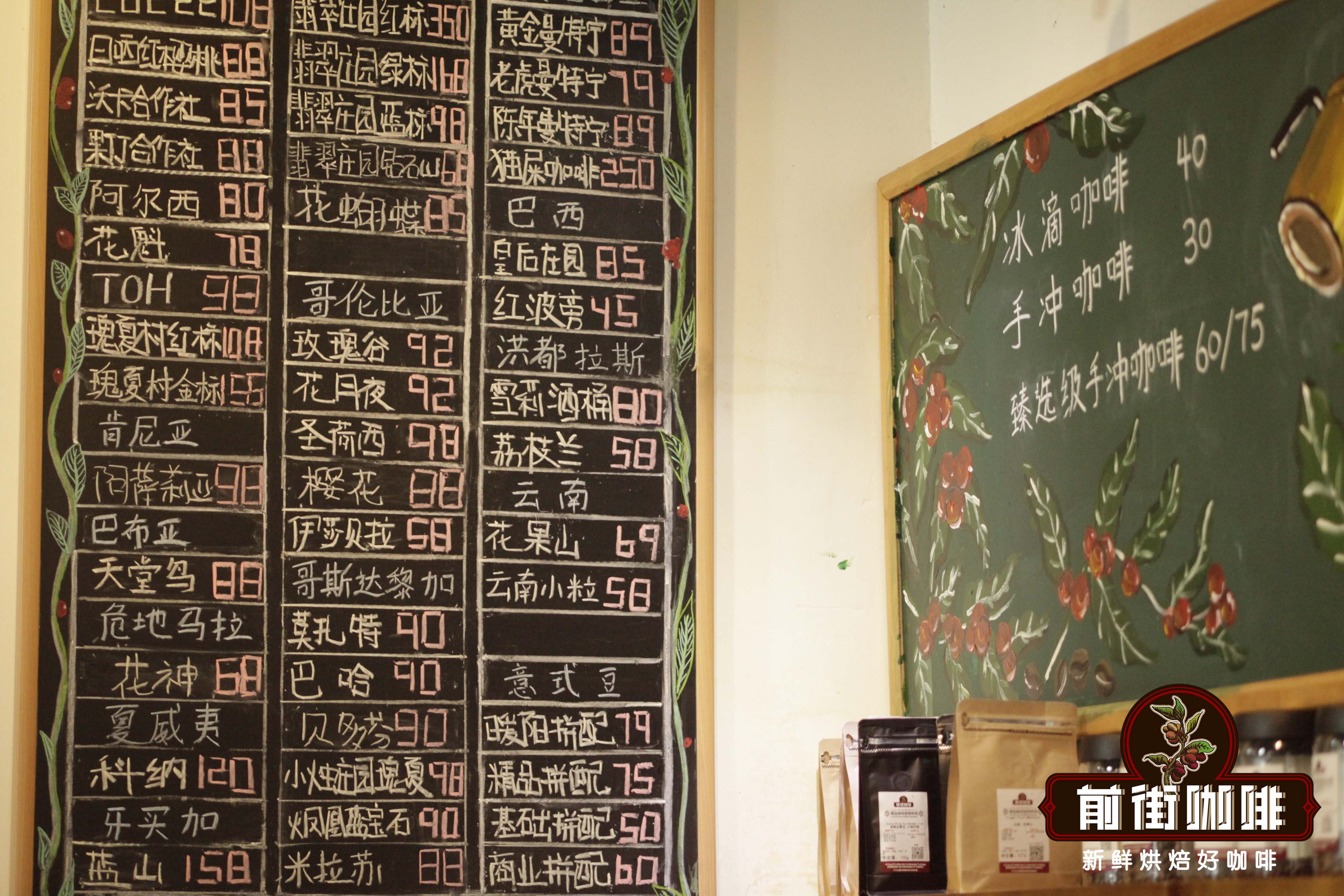
The flavor of Central and South American beans: generally speaking, the flavor is relatively regular. The Brazilian coffee is mellow and full-bodied, while the Costa Rican coffee is gentle and supple, with a blend of sour, sweet and chocolate aromas. Panamanian coffee has strong aromas of citrus, jasmine, peach and nectar, bright and changeable acidity, very similar to Yega Xuefei. Colombia (South America)
Robusta, one of the most important coffee tree varieties in the world.
Robusta species (scientific name Coffee Robusta Linden). The leaf rust-resistant varieties found in Congo in Africa have stronger disease resistance than Arabica. In the general coffee market, many people like to compare robusta and Arabica coffee beans, which is incorrect. In fact, the Robsta species was originally a mutant of the Congo species (scientific name: Coffee Canephora).