
"artificial"
5560 article(s) found

The cultivation of El Salvador Pacamara boutique coffee beans with fruity and rich aromas.
El Salvador's unique high-grade variety Pacamara, Pacamara is a sudden variation of the bourbon species found by Pacas Pacas- in El Salvador and a hybrid with the giant bean Maragogype, a sudden variant of the Tibica species found in Brazil. The interesting thing about Christmas farm coffee is that its refining method is secret, using minerals.

The caffeine content of Yega Sheffield introduces the flavor characteristics of G 1 coffee beans.
At present, commercial low-caffeine coffee uses dichloromethane solvent or activated carbon and water to extract caffeine from raw beans, but the aroma and oil of coffee will be lost with caffeine. Unfortunately, harmful chemical solvents remain in coffee, so artificial decaf is neither delicious nor healthy. Han Huaizong's essence
How to produce high-quality coffee and spiced coffee? Create high-quality coffee
Professional coffee knowledge exchange more coffee bean information please pay attention to the coffee workshop (Wechat official account cafe_style) high-quality coffee bean aroma and seasoning coffee how to produce? High-quality coffee beans, also known as boutique coffee, that is, non-general market commercial beans, it has a certain level of quality. In the world of coffee, there are many similarities with tea, and the emphasis is also similar to that of tea.
Civet Coffee Flavor Taste Variety Production Characteristics Fine Coffee Bean Introduction
The coffee comes from the droppings of an animal called a civet (commonly known as a civet in Indonesia). Although it comes from smelly poop, it tastes sweet and has an indescribable sweetness. This wild civet likes to eat fat and thick coffee fruit, but the hard fruit core (raw beans) cannot be digested and excreted with feces. After washing, it becomes Kop.
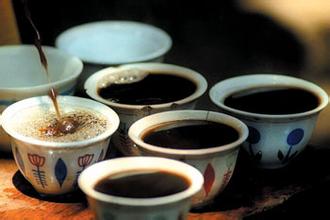
Detailed Analysis of four cultivation Systems of Ethiopian Fine Coffee
According to the following four different modes of production, Ethiopian coffee can be divided into nine major coffee producing areas, including five boutique coffee areas: Sidamo, Yegashefi, Harald, Lim and Lekampidi, and four general commercial bean producing areas: Gemma, Irugbagbo, Tibby and Bekaa. The sun or water washing methods are used in each district, and different treatment methods also affect the flavor.
Sour, lively and tricky El Salvador Pacamara boutique coffee bean cultivation situation, geographical location and climate
Won two ○○ seven Guatemala and Honduras [COE] double championships, but also arranged to host the top three awards in El Salvador. The name of Pacamara is very good. It is a compound word of Pacas [Pacas] and elephant bean [Maragogepe]. Pacamara is an excellent variety produced by the Salvadoran Coffee Research Institute from 1957 to 1958. It did not shine until recent years and became a boutique.

Development History of Coffee Origin Coffee from Coffee Bean Variety and Coffee Origin
Bubang (the second species mutated from Typica) is the closest to the original species as Typica. It was found in Reunion (formerly Bourbon) near Madagascar. It has the same high-quality taste as Typica, like the sour taste of red wine, and the aftertaste is sweet. The leaves of Typica and Bourbon,Bourbon can be distinguished by the leaves and bean appearance of coffee trees.
Fruit aroma sour and sweet El Pacamara boutique coffee bean varieties planted market price simple
Additional information about this spa: The water from the source is 85 degrees Celsius. Use 2-inch pipes to channel the water to six different thermal pools at different elevations. The temperature of the sixth thermal pool is 3234 degrees Celsius. Then use this cooled thermal water to process green coffee beans. This hot spring water flows continuously all year round. Locals drink this hot spring water. Its PH value is 8.02.
How much is Kopi Luwak? How did Kopi Luwak come from? how to develop Kopi Luwak? Kopi Luwak
Professional coffee knowledge exchange more coffee bean information please follow the coffee workshop (Wechat official account cafe_style) in Indonesia, the most famous coffee is probably civet coffee. Civet Coffee is what we commonly call Kopi Luwak. Coffee drinkers have more or less heard of it. In fact, Kopi Luwak is ripe coffee eaten by civets.

Full-grained El Salvador Pacamara boutique coffee beans grind degree baking degree treatment method simple
The interesting thing about Christmas farm coffee is that its refining method is secret, using mineral-rich hot spring water to process raw coffee beans. This farm is located in fertile volcanic soil and rich in natural hot spring water, so this natural hot spring water is all used in raw bean processing. There are many coffee gardens in the world, but this method is still used.
Coffee bean food safety: how does high-quality coffee bean aroma and seasoning coffee come into being?
Professional coffee knowledge exchange more coffee bean information please pay attention to coffee workshop (Wechat official account cafe_style) high-quality coffee beans, also known as boutique coffee, that is, non-ordinary market commercial beans, it has a certain level of quality. In the world of coffee, there are many similarities with tea, and the emphasis has quite a lot in common with tea. Fine caffeine pays attention to the growing environment and sea.

Sour and sweet fruit description of El Salvador Pacamara boutique coffee bean flavor and taste
Finca Ataisi Manor is located in the volcanic producing area of Izalco (Izakou) region, Sonsonate Province, El Salvador. Due to volcanoes, the soil of the manor is very rich in organic matter. The average elevation of the manor is about 1800 meters and the terrain is steep. It is one of the highest estates in the area. At present, the owner of the manor is managed by Mr. Rene Martin, the owner of the manor, and Rene Martin first.

Sour and sweet El Salvador Pacamara boutique coffee beans grind and roast degree treatment
Pacamara is another example of making a name for itself through COE events. In the 90s of the 20th century, some farmers in the Chalatenango producing area of South Song in Charat, El Salvador began to grow Pracamara. In 2006, a farm in this producing area took part in the competition with Pacamara and got the second place. In 2007, a number of farms in the same production area participated in the competition with Pacamara, and won the first, third and fourth Pac.

Sour, lively and tricky El Salvador Pacamara boutique coffee beans grind degree of roasting degree treatment
Pacamara is another example of making a name for itself through COE events. In the 90s of the 20th century, some farmers in the Chalatenango producing area of South Song in Charat, El Salvador began to grow Pracamara. In 2006, a farm in this producing area took part in the competition with Pacamara and got the second place. In 2007, a number of farms in the same production area participated in the competition with Pacamara, and won the first, third and fourth Pac.
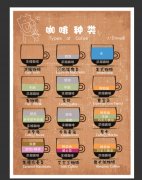
A brief introduction to the description of the flavor and aroma characteristics of El Salvador Pacamara boutique coffee beans
The biggest feature of this variety is that it is sour, lively and tricky, sometimes biscuit, sometimes fruity, thick and greasy. The best quality Finca Ataisi manor from El Salvador and Guatemala is located in the volcano-producing area of Izalco (Izakou), Sonsonate province, El Salvador. Due to volcanoes, the soil of the manor is very rich in organic matter, and the manor is at an altitude.
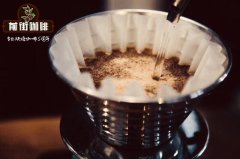
What are the varieties of Arabica beans Yunnan iron card coffee beans taste delicious without bitter acid and softness
Professional coffee knowledge exchange more coffee bean information please pay attention to the coffee workshop (Wechat official account cafe_style) front street-Arabica species, Yunnan iron pickup card introduction Arabica species from Martinique iron card coffee beans, reunion island bourbon coffee beans as the origin, formed today's many varieties. Among the coffee trees shipped to the island of Reunion, some species occurred.
A brief introduction to the History and Culture of the Origin and Development of El Salvador Pacamara Fine Coffee beans
El Salvador boutique coffee is concentrated in the volcanic rock producing areas of Santa Ana in the west and Charantanan fruit in the northwest. In recent years, the top 10 cup tests are almost entirely from these two producing areas, with an altitude of about 9-1500 meters, mainly bourbon (68%). Followed by Pacas (29%), mixed-race Pakamara, Dulaai and Kaddura accounted for only 3%. The coffee harvest season has been held since November.
Coffee producing areas of the Galapagos Islands introduce San Cristobal Hasunda Coffee Park
The coffee has its own unique characteristics, it was brought to the island around 1870, until now 150 years later, the coffee variety is still the original coffee grown at that time-the ancient bourbon species, has never been any artificial cross breeding. And the coffee on the island is basically grown in the mountains about 500 meters above sea level. Friends who have seen our coffee bean series should all

Treatment of grinding degree and baking degree of El Salvador Pacamara boutique coffee beans with both fruity and rich aroma
Pacamara is another example of making a name for itself through COE events. In the 90s of the 20th century, some farmers in the Chalatenango producing area of South Song in Charat, El Salvador began to grow Pracamara. In 2006, a farm in this producing area took part in the competition with Pacamara and got the second place. In 2007, a number of farms in the same production area participated in the competition with Pacamara, and won the first, third and fourth Pac.
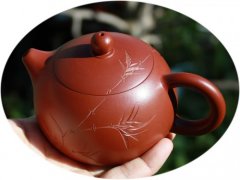
Can I buy a real purple sand pot for two or three hundred? Sharing of three tips for distinguishing true and false purple teapot
Many tea consumers are fascinated by Yixing purple sand (Yixing purple sand) teapot. This clay is considered to be high-quality clay for brewing high-quality tea, especially fermented tea, such as oolong tea and Pu'er tea. This is mainly due to the porosity of the clay, which can breathe through the walls of the teapot, thus promoting the brewing process, resulting in the best tea and eliminating some less desirable elements, if present. Original