
"century"
19828 article(s) found

Which are the four famous coffee beans?
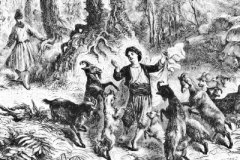
The editor of the four famous beans said that the origin of coffee plant can be traced back to millions of years ago, in fact, the real time when it was discovered can no longer be tested. According to legend, Coffee is a shepherd named Kaldi in the highlands of Ethiopia. When he discovered that his sheep had inadvertently eaten the fruit of a plant, he became very lively and full of vitality, and discovered coffee ever since. All

Coffee beans the story of coffee beans the origin of coffee beans the story of the shepherd
Coffee beans in a broad sense, there are two kinds of coffee beans in the world, Arabica beans and Robosta beans. The earliest Arab way to eat coffee was to chew the whole fruit (CoffeeCherry) to absorb its juice. Then they mixed the ground coffee beans with animal fat as a physical supplement for long trips, and it was not until about 1000 AD that the green coffee beans were used.
World & A brief introduction to the Development History of Coffee in China
Origin: coffee was first discovered in the kaffa region of southern Ethiopia in the 6th century AD. So far, there is no specific historical data about the origin of coffee, what has been handed down are several different legends, but it is more recognized that Cuddy, the shepherd, discovered the coffee. Legend has it that Kadi, a shepherd in Kafa province in southern Ethiopia, drives his sheep every day.

Poetic prodigy Lambo Qiwen went to Egypt to do coffee business
Ethiopia is dominated by wild coffee forests. If you want to chew coffee fruit or drink coffee, you can pick it in the forest. Therefore, there is no coffee cultivation industry in ancient Ethiopia. Yemen had a large-scale coffee cultivation industry and coffee trade with Europe as early as the 15th and 16th centuries, and Ethiopia had no record of coffee trade until the 19th century. In 1838, Ethiopia passed through the Red Sea port.

Colombian Coffee Flavor introduces Colombian Coffee hand data how to drink Colombian coffee
Professional coffee knowledge exchange more coffee bean information please follow the coffee workshop (Wechat official account cafe_style) the history of Colombian coffee can be traced back to the Spanish colonial era in the 16th century, from Haiti in the Caribbean, through El Salvador. In addition, it is said to have begun between the second half of the 18th century and the first half of the 19th century. The main coffee in Colombia is cultivated in Ann.

Can coffee beans be eaten directly raw? how to eat coffee beans
Legend has it that around the tenth century AD, on the Ethiopian plateau of Africa, there was a shepherd named Karl. One day he suddenly looked excited and excited when he saw the goat. He thought it was strange, and then after careful observation, he found that the sheep were excited after eating some kind of red fruit. Carl tasted some curiously and found himself refreshed and excited after eating.

The unique and mellow taste of Cedar Motad Manor Coffee is introduced.
Ethiopia is an ancient country with a history of 3000 years of civilization. The Hamite people who immigrated from the southern Arabian Peninsula were the earliest inhabitants. Monlinique I reigned in 975 BC. The Kingdom of Nubia was established in the 8th century BC. From the 1st century to 976 AD, the Ethiopian Empire, also known as the Kingdom of Aksum, was established in Aksum in the north. Christianity was introduced into Ethiopia in the 4th and 5th centuries.

Is Kenya of Brazilian descent? The source of coffee cultivation in Kenya
Professional coffee knowledge exchange for more information about coffee beans, please follow the introduction of Kenyan Coffee in the front street of the coffee workshop (Wechat official account cafe_style). The original place of origin of Arabica coffee shop is north of Kenya, but it was not until the beginning of the 20th century that it began to engage in coffee cultivation. 19th century missionaries introduced Arabica coffee from Yemen, but did not plant a large number of species until 1893.

Coffee history and culture common sense where does coffee come from?
Around 900 AD, when a shepherd in the Cafa region of Ethiopia was grazing in the mountains, he found that the sheep were competing for a kind of red berry. After eating, the sheep were jubilant, and the shepherd was worried all night that his sheep had eaten some harmful food. Who knew the sheep were safe and sound the next day. This unexpected discovery prompted the shepherd to collect this wild fruit and boil juice to quench his thirst.

The smell of coffee in Paris, France in the 17th century
I've been going to many cafes in recent years, and I'm getting bored. I often daydream about the old cafes, the old beauties that can only be read in books but cannot be experienced in person. For example, when it comes to cafes in Paris today, people's first impression is the relaxed and enjoyable atmosphere of relaxed seats in the shade of trees or in the Arbor. But in the past, Parisians drank coffee, which was not like this at all. Straight

A brief history of coffee imported from Ethiopia introduces fine coffee
The origin of this plant can be traced back to millions of years ago, in fact, the real age when it was discovered can no longer be tested. It is only said that coffee is a shepherd named Kaldi in the highlands of Ethiopia. When he discovered that his sheep had inadvertently eaten the fruit of a plant, he became very lively and full of vitality, and then he discovered coffee. All historians seem to

Coffee history and culture where does coffee come from?
In the eleventh century, in 1000, coffee beans were boiled and drunk, and this method quickly spread throughout the Arab region and became a way of drinking at Islamic religious festivals. According to the literature records, the Arab philosopher Abisana made a detailed introduction and record of the medicinal blending method and clinical effect of coffee. In 1200, coffee was made by a Muslim who was exiled to Yemen for crime.

The difference between Yunnan Ironpika Coffee Bean and Katim Flavor in Typica
Yunnan small-grain coffee Yunnan small-grain coffee, Rubiaceae, coffee genus, the planting area is mainly distributed in Lincang, Baoshan, Simao, Xishuangbanna, Dehong and other states. Small grains of coffee are native to Ethiopia or Arabian Peninsula. The main producing area of small grain coffee is suitable to grow in the mountains with an altitude of 800 to 1800 meters above sea level, if the altitude is too high.

Brief introduction to the history and development of coffee! Mysterious red fruit has become a popular black gold trend all over the world.
Professional coffee knowledge exchange more coffee bean information please follow the coffee workshop (Wechat official account cafe_style) Let's go back to the 15th and 16th centuries, step by step with time to explore the history and culture of coffee, but also to see how this mysterious black bean has traveled all the way from the most familiar shepherd story to the black gold trend that has swept the world.

Is Blue Mountain Coffee Fine Coffee? what does Fine Coffee mean?
The origin of this plant can be traced back to millions of years ago, in fact, the real age when it was discovered can no longer be tested. It is only said that coffee is a shepherd named Kaldi in the highlands of Ethiopia. When he discovered that his sheep had inadvertently eaten the fruit of a plant, he became very lively and full of vitality, and then he discovered coffee. All historians seem to be

Introduction to the origin and culture of coffee when was coffee discovered?
The origin of this plant can be traced back to millions of years ago, in fact, the real age when it was discovered can no longer be tested. It is only said that coffee is a shepherd named Kaldi in the highlands of Ethiopia. When he discovered that his sheep had inadvertently eaten the fruit of a plant, he became very lively and full of vitality, and then he discovered coffee. All historians seem to be

Who invented coffee flavor wheel? the origin of coffee flavor wheel?
The Africans invented it! Coffee is native to Ethiopia. It was used as a beverage in North Africa and West Asia for hundreds of years before it was introduced into Europe in the 17th century. Coffee plantations have been set up in all hot and humid parts of the world, and coffee has become a popular drink. But it takes a lot of days to make a pot of delicious coffee. Coffee beans must be ground into fine powder. Preferably more.

The god of poetry, Tong Lanbo, abandoned his articles and went to Egypt to do coffee business, coffee culture.
Ethiopia is mainly a wild coffee forest, want to chew coffee fruit or drink coffee, go into the forest to pick, so there was no coffee cultivation in ancient Ethiopia. Yemen had a large-scale coffee cultivation industry and coffee trade with Europe as early as the 15th and 16th centuries, and Ethiopia did not have a record of coffee trade until the 19th century. In 1838, Ethiopia passed through the port of the Red Sea

The origin of instant coffee starts from a major event in history.
Around the 19th century, coffee gradually formed a coffee culture after its development and precipitation in Europe. Coffee culture was reborn in Europe, but it was sublimated and brilliant in the United States, so that coffee is now popular all over the world. The birth of instant coffee starts from a major event in history. At the beginning of the 18th century, coffee conquered the city and territory of London, England, and it was about to turn against the sky.

Talk to each other in the century! Whisky and coffee are so Match.
The exchange of professional baristas, please follow the coffee workshop (Wechat official account cafe_style). One is the ambassador of the McCullen brand, and the other is the champion of Brewers Cup handbrewed coffee in 2017. what will happen when the two leading players in the field sit down and taste McCullen Shirley's double barrels of Double Cask 12-year single malt whisky? Wang ce is in every country every year.