
"embedded"
221 article(s) found
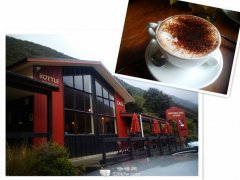
The "gas station" during the trip of the New Zealand Cafe
Coffee is a favorite drink for ordinary people in New Zealand. No matter in big city or small town, you can drink a cup in a coffee shop on the street corner for a few yuan. The taste of coffee is mellow, elegant and elegant, even inferior to some star-rated hotels in China. This kind of "coffee culture", which originated from the folk, also nourishes New Zealand in a sense-the super "positive" coffee fragrance floats clean and beautiful.

New Zealanders love the "gas station" of coffee travelers
The island nation of New Zealand, surrounded by the South Pacific, is inextricably linked with its neighbor Australia and is also a famous high-end tourist destination in the southern hemisphere. There are so-called 100% pure natural ecological environment and world-famous extreme sports and adventure tourism resources. most of the tourism information about this country is described around these two aspects. However, many have been to New Zealand.
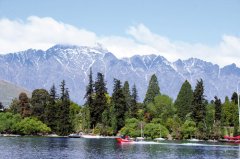
Queenstown and Coffee Culture in New Zealand
The island nation of New Zealand, surrounded by the South Pacific, is inextricably linked with its neighbor Australia and is also a famous high-end tourist destination in the southern hemisphere. However, many people who have been to New Zealand will also think about the coffee there.

The basic chemical reaction of coffee knowledge during coffee roasting.
Many thermal and chemical reactions take place during baking: decarbonation, dehydration of quinic acid, subdivision, isomerization, polymerization, and complex sugar reactions (caramelization). The main components of the thermal reaction are monosaccharides and sucrose, chlorogenic acid, free amino acids, and fenugreek amide. Both aravinose and calactose in the polysaccharides are transferred, and the basic vulcanization process includes hydroxylamine.

new Zealand people love coffee the most persistent coffee crazy love song
new Zealand, an island country surrounded by the South Pacific Ocean, is inextricably linked with its neighbor Australia and is also a famous high-end tourist destination in the southern hemisphere. There are supposedly 100% pure natural environments and world-famous extreme sports and adventure tourism resources, and most of the tourist information about this country is described around these two aspects. However, many have been to new Zealand

General knowledge of Fine Coffee Culture Queenstown and Coffee Culture in New Zealand
The island nation of New Zealand, surrounded by the South Pacific, is inextricably linked with its neighbor Australia and is also a famous high-end tourist destination in the southern hemisphere. There are so-called 100% pure natural ecological environment and world-famous extreme sports and adventure tourism resources. most of the tourism information about this country is described around these two aspects. However, many have been to New Zealand.
How does the sour and bitter in coffee come from?
Many thermal and chemical reactions take place during baking: decarbonation, dehydration of quinic acid, subdivision, isomerization, polymerization, and complex sugar reactions (caramelization).

Coffee machine made into installation art, S.ENGINE Eagle Collection to explore more forms of expression of boutique coffee
For the exchange of professional baristas, please follow the coffee workshop (Wechat official account cafe_style) Shanghai is the favorite city of coffee in China. According to Jiamen's China Caf é Survival data report, there were 5567 cafes in Shanghai at the end of 2016, more than 2200 more than Beijing in second place and three times as many as Guangzhou in third place. Moreover, the coffee culture in Shanghai has deep roots, from the late Qing and Ming dynasties.

Queenstown and Coffee Culture in New Zealand
The leisurely temperament of Queenstown is similar to the coffee culture of New Zealand. The coffee in the small town coffee shop is full of ingredients with hamburger New Zealand coffee. The fragrant New Zealand winery trip is also famous for the ancient tram restaurant in Christchurch. There is also delicious coffee to provide some cafes to print their own T-shirts, postcards and so on for tourists to choose and buy Wentu / Yangcheng Evening News reporter Liu Xingtong.
Basic chemical reactions that occur during coffee roasting
Many thermal and chemical reactions take place during baking: decarbonation, dehydration of quinic acid, fragmentation, isomerization, polymerization, and complex sugar reactions (caramelization). The main thermally reactive components are monosaccharides and sucrose, chlorogenic acid, displaced amino acids, and trigonelline amide. Both aravinone and calactose in polysaccharides are transferred, and basic sulfurization contains hydroxyamino acids.
The basic chemical reaction of coffee roasting process
Many thermal and chemical reactions take place during baking: decarbonation, dehydration of quinic acid, subdivision, isomerization, polymerization, and complex sugar reactions (caramelization). The main components of the thermal reaction are monosaccharides and sucrose, chlorogenic acid, free amino acids, and fenugreek amide. Both aravinose and calactose in the polysaccharides are transferred, and the basic vulcanization contains hydroxylated amino acid.
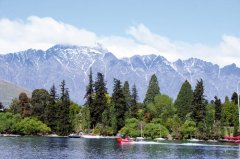
Common sense of Coffee Culture Queenstown and Coffee Culture in New Zealand
The leisurely temperament of Queenstown is similar to the coffee culture of New Zealand. The coffee in the small town coffee shop is full of ingredients with hamburger New Zealand coffee. The fragrant New Zealand winery trip is also famous for the ancient tram restaurant in Christchurch. There is also delicious coffee to provide some cafes to print their own T-shirts, postcards and so on for tourists to choose and buy Wentu / Yangcheng Evening News reporter Liu Xingtong.
The basic chemical reaction that takes place during coffee roasting.
Many thermal and chemical reactions take place during baking: decarbonation, dehydration of quinic acid, subdivision, isomerization, polymerization, and complex sugar reactions (caramelization). The main components of the thermal reaction are monosaccharides and sucrose, chlorogenic acid, free amino acids, and fenugreek amide. Both aravinose and calactose in the polysaccharides are transferred, and the basic vulcanization process includes hydroxylamine.

The basic chemical reactions that take place during coffee roasting
Many thermal and chemical reactions take place during baking: decarbonation, dehydration of quinic acid, subdivision, isomerization, polymerization, and complex sugar reactions (caramelization). The main components of the thermal reaction are monosaccharides and sucrose, chlorogenic acid, free amino acids, and fenugreek amide. Both aravinose and calactose in the polysaccharides are transferred, and the basic vulcanization process includes hydroxylamine.

Basic chemical reactions of coffee beans during coffee roasting
Many thermal and chemical reactions take place during baking: decarbonation, dehydration of quinic acid, subdivision, isomerization, polymerization, and complex sugar reactions (caramelization). The main components of the thermal reaction are monosaccharides and sucrose, chlorogenic acid, free amino acids, and fenugreek amide. Both aravinose and calactose in the polysaccharides are transferred, and the basic vulcanization process includes hydroxylamine.

The basic chemical reactions that take place during coffee roasting
Many thermal and chemical reactions take place during baking: decarbonation, dehydration of quinic acid, subdivision, isomerization, polymerization, and complex sugar reactions (caramelization). The main components of the thermal reaction are monosaccharides and sucrose, chlorogenic acid, free amino acids, and fenugreek amide. Both aravinose and calactose in the polysaccharides are transferred, and the basic vulcanization process includes hydroxylamine.

The basic chemical reactions that take place during coffee roasting.
Many thermal and chemical reactions take place during baking: decarbonation, dehydration of quinic acid, subdivision, isomerization, polymerization, and complex sugar reactions (caramelization). The main components of the thermal reaction are monosaccharides and sucrose, chlorogenic acid, free amino acids, and fenugreek amide. Both aravinose and calactose in the polysaccharides are transferred, and the basic vulcanization process includes hydroxylamine.
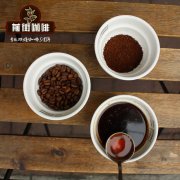
How is coffee economy popular in China? The present situation of Coffee Market in China
Professional coffee knowledge exchange more coffee bean information Please pay attention to coffee workshop (Wechat official account cafe_style) Coffee has become a necessity of petty bourgeoisie life and a popular fashion drink in China. Data show that from 2011 to 2015, Starbucks opened more than 1300 new stores in China. At present, Starbucks has opened more than 3 stores in more than 130 cities in China.

Starbucks, the coffee chain brand that is most good at doing Internet business.
This is the cafe with the largest number of chain stores, and it is also one of the most unsentimental cafes. This is one of the lowest technology companies in the world, and it is also the most high-tech coffee brand. But there is no doubt that the coffee chain that knows the most about marketing, consumer psychology and Internet business may be Starbucks. So, we are today
The basic chemical reaction of coffee technology in the process of coffee roasting
Many thermal and chemical reactions take place during baking: decarbonation, dehydration of quinic acid, subdivision, isomerization, polymerization, and complex sugar reactions (caramelization). The main components of the thermal reaction are monosaccharides and sucrose, chlorogenic acid, free amino acids, and fenugreek amide. Both aravinose and calactose in the polysaccharides are transferred, and the basic vulcanization process includes hydroxylamine.