
"epigenetics"
13 article(s) found

Coffee affects DNA in muscle, study suggests
In the March issue of Cell Metabolism, researchers report that when the body is healthy, inactive men and women show instantaneous changes in DNA after a few minutes of exercise.
Coffee affects DNA in muscle, study suggests
You might think that whatever you do, your genetic DNA will not be affected, but in a sense that's wrong. In the March issue of Cell Metabolism, researchers report that when the body is healthy, men and women who do not exercise much get their DNA released after a few minutes of exercise.
Coffee Health Research shows that Coffee can affect DNA in muscle
You might think that no matter what you do, your genetic DNA will not be affected, but in a sense, this idea is wrong. In March, in the journal Cell Metabolism, published by Cell Press, researchers reported that when men and women who did not exercise for a few minutes when they were in good health, their DNA levels increased.

Healthy drinking coffee can affect DNA in muscle.
You might think that no matter what you do, your genetic DNA will not be affected, but in a sense, this idea is wrong. In March, in the journal Cell Metabolism, published by Cell Press, researchers reported that when men and women who did not exercise for a few minutes when they were in good health, their DNA levels increased.
Regular coffee drinking and regular exercise change your DNA
You might think that no matter what you do, your genetic DNA will not be affected, but in a sense, this idea is wrong. The researchers report that when men and women who do not exercise much when they are in good health, their DNA changes instantly after a few minutes of exercise. What's even more surprising is that this research table

Drugs containing caffeine can substitute for exercise and produce similar effects
You might think that whatever you do, your inherited DNA will not be affected, but in a sense that's wrong. In the March issue of Cell Metabolism, researchers report that when the body is healthy, men and women who do not exercise much get their DNA released after a few minutes of exercise.

Studies have shown that coffee can affect DNA in muscles
You might think that no matter what you do, your genetic DNA will not be affected, but in a sense, this idea is wrong. In March, in the journal Cell Metabolism, published by Cell Press, researchers reported that when men and women who did not exercise for a few minutes when they were in good health, their DNA levels increased.
Coffee research regular drinking coffee and regular exercise change your DNA
You might think that no matter what you do, your genetic DNA will not be affected, but in a sense, this idea is wrong. The researchers report that when men and women who do not exercise much when they are in good health, their DNA changes instantly after a few minutes of exercise. What's even more surprising is that this research table
The benefits of drinking coffee studies have shown that coffee can affect DNA in muscles
You might think that no matter what you do, your genetic DNA will not be affected, but in a sense, this idea is wrong. In March, in the journal Cell Metabolism, published by Cell Press, researchers reported that when men and women who did not exercise for a few minutes when they were in good health, their DNA levels increased.
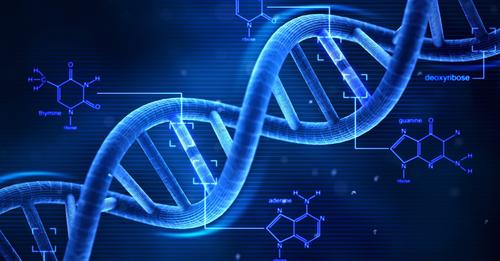
Bilingual coffee counseling: exercise and caffeine can change your DNA
Swedish researchers recently found that when men and women who are not physically active change their DNA instantly after a few minutes of exercise, when they are in good health. More surprisingly, the study suggests that caffeine in the coffee we drink in the morning may affect DNA in muscles in the same way. The study was published in the March issue of "details."

Why does the coffee taste a little sour?
The sour ingredients in raw coffee beans are citric acid, malic acid and quinic acid. Phosphoric acid, etc., but this is not the sour taste we feel when we drink coffee. The sour taste we taste mainly comes from the acid produced in the baking process. When roasting coffee beans, some of the ingredients in the beans will react to form new acids. A representative example is the epigenetic decomposition of chlorogenic acid.

Why does the coffee taste a little sour? Acid from the baking process
The sour ingredients in raw coffee beans are citric acid, malic acid and quinic acid. Phosphoric acid, etc., but this is not the sour taste we feel when we drink coffee. The sour taste we taste mainly comes from the acid produced in the baking process. When roasting coffee beans, some of the ingredients in the beans will react to form new acids. A representative example is the epigenetic decomposition of chlorogenic acid.

Which cup of coffee or tea do you choose between the two flowers?
Professional baristas please follow the coffee workshop (Wechat official account cafe_style) French media the European Times reported that Marc Gunter, an epidemiologist at King's College London, a recent study of more than 500000 people over the age of 16 across Europe, showed that those who drank the most coffee had a lower risk of premature death. But what if you serve a cup of tea? The most suitable