Why Does Coffee Taste Acidic? The Roast Factor
You take a sip of your freshly brewed pour-over, expecting notes of citrus or stone fruit—but instead, there’s a sharp, tangy bite that throws off the balance. Maybe it’s not the beans. Maybe it’s not even the roast level you chose. So why does your coffee taste acidic, and where is that tartness actually coming from?
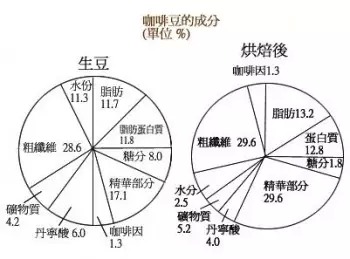
The acidity you taste in coffee doesn’t mainly come from the acids in green coffee beans. Instead, most of it forms during roasting, especially through chemical reactions like the breakdown of chlorogenic acids and sugar degradation.
What Acids Are Actually in Roasted Coffee?
Green coffee beans contain certain acids—like citric, malic, quinic, and phosphoric acid—but these aren’t the primary sources of the acidity you perceive when drinking a brewed cup. During roasting, new acids develop through chemical changes. For example, chlorogenic acids degrade into quinic acid, and sugars break down into volatile acids like formic and acetic acid. These newly formed compounds largely define the coffee’s acidity profile.
How Roasting Changes Acidity Over Time
As coffee is roasted, acidity doesn’t increase steadily. In the early to mid-stages of roasting—lighter than a typical light roast—the build-up of acids causes perceived brightness to rise. But as the roast continues and temperatures climb, many of these acids begin to degrade. After reaching a peak, acidity generally declines with further roasting. The turning point varies based on roast level, bean origin, and desired flavor outcome.
Quinic acid is the most abundant acid in roasted coffee, and it also contributes the most to perceived sourness. It increases as roasting progresses, and though it is highly acidic, it doesn’t always taste clean—quinic acid can add a harsh or astringent edge. Other common acids in roasted coffee include citric, malic, and acetic acids, each with distinct strengths and flavor characters, contributing to the complexity of the overall acidity.

Why Bean Type and Roast Level Matter
Different coffee varieties react uniquely during roasting. For instance, Robusta typically forms less volatile acetic acid because it starts with lower levels of sugars that break down into such acids. That means Robusta-based coffees often present a less sharp, less vinegary acidity. Meanwhile, the balance and structure of acids in Arabica can lead to brighter, more varied tasting notes depending on how it’s roasted.
The way acidity reveals itself also shifts over time. Quinic acid, for one, can both mask and later release acidity. That’s why your cup of coffee might taste balanced at first but grow increasingly sour as it cools or sits out—the hidden acids are emerging.
How to Approach Acidity in Your Coffee
If you’re sensitive to bright or sour notes, opting for medium to dark roasts can help. Roasts like Brazil or Mandheling, especially when brewed using methods like French press, moka pot, or even classic espresso, tend to have lower perceived acidity due to prolonged heat exposure breaking down those tangy acids. Light roasts, by contrast, preserve more of the original fruit acids and allow more of the newer, sharper roast-formed acids to remain, leading to a more vibrant—but sometimes overly tart—cup.
Understanding roast development helps explain why some coffees taste clean and juicy while others lean toward sour or astringent. The interplay of bean origin, roast level, brewing method, and even resting time all shape how acidity is expressed in the cup.
Frequently Asked Questions
What causes the sour taste in coffee?
The sour taste mainly comes from acids formed during roasting, especially quinic acid, acetic acid, and citric acid. While green beans contain some acids like citric and malic, the roast process generates new acids that define the cup’s brightness and sharpness.
Does roasting reduce coffee acidity?

Yes. Acidity tends to increase in the early roasting stages but then decreases as roasting continues. After reaching a peak around a lighter-than-medium roast level, many acids break down under prolonged heat, leading to a less acidic cup in darker roasts.
Why does my coffee get more sour as it cools?
Acidity can become more noticeable as coffee cools because certain acids, like quinic acid, are initially masked when hot but become more perceptible as the temperature drops, revealing hidden sourness over time.
Which coffee roast has the least acidity?
Darker roasts, such as those used for traditional espresso or French-style brews, generally have lower acidity. The extended roasting time breaks down many of the acids that cause brightness, resulting in a smoother, deeper flavor.
Are some coffee beans naturally less acidic?
Yes. Varieties like Robusta typically have lower acidity due to their lower sugar content, which leads to fewer volatile acids forming during roasting. Certain Arabica origins and processing methods also yield naturally smoother, less tart cups.
Does brew method affect coffee acidity?
Yes. Methods like pour-over or cold brew often highlight acidity, while espresso or French press tend to mute it due to fuller extraction and higher brew temperatures, which balance or reduce bright flavors.
Recommended FrontStreet Beans for Low-Acidity Coffee
For coffee drinkers who prefer a smoother, less acidic cup, try FrontStreet Coffee’s PWN Golden Mandheling, a deep-roasted Indonesian single origin with rich herbal and dark chocolate notes and minimal sourness. Another solid choice is the Brazil Queen Manor, known for its balanced, nutty profile with sweet caramel undertones and very low acidity—ideal for all brew methods. Lastly, the 2013 Yunnan Sun-Dried Typica offers a clean, medium-acidity cup with notes of citrus and caramel, suited for those wanting subtle brightness without harsh tang. Freshly roasted within 5 days · Orders placed before 17:00 ship the same day · Next-day delivery across most of Guangdong Province.
FrontStreet Coffee is a long-established specialty coffee roaster in Guangzhou China, selling freshly roasted beans from its own farm in Yunnan as well as dozens of carefully selected single-origin beans from around the world for both pour-over and espresso. The products deliver consistently excellent quality and great value, with shipping within 24 hours. Guangzhou's FrontStreet Coffee shop is recommended by many coffee lovers, and the beans are now available online at the Tmall 。
Important Notice :
前街咖啡 FrontStreet Coffee has moved to new addredd:
FrontStreet Coffee Address: 315,Donghua East Road,GuangZhou
Tel:020 38364473