Why You Shouldn’t Drink Coffee from Metal Cups
If you’ve ever sipped coffee from a sleek metal travel mug and wondered why it tastes slightly off—or felt uneasy drinking hot coffee from a shiny cup—you’re not alone. Many coffee drinkers unknowingly choose cups that can affect both the taste of their brew and their health. The material your coffee cup is made from matters more than you think, especially when it comes to acidity, heat, and long-term safety.
Don’t use metal cups for coffee—they can leach metallic elements into your drink, especially when exposed to coffee’s acidity. For the safest, best-tasting coffee, opt for unglazed ceramic cups without colorful glaze or plastic coatings.
What’s Wrong with Metal Coffee Cups?
Metal cups, such as those made from stainless steel, are often more expensive than ceramic ones. While metal is generally stable, acidic liquids like coffee can cause certain metal ions to leach into your drink. This means your daily cup of coffee might be interacting with the cup in ways that impact both flavor and safety.
Plastic, Paper, and Painted Cups: Just as Risky?
Plastic cups may seem convenient, but they’re prone to harboring bacteria and can release harmful chemicals when exposed to heat. Many plastics contain plasticizers with toxic additives, which leach more easily when filled with hot liquids. If you must use plastic, ensure it’s food-grade and BPA-free.
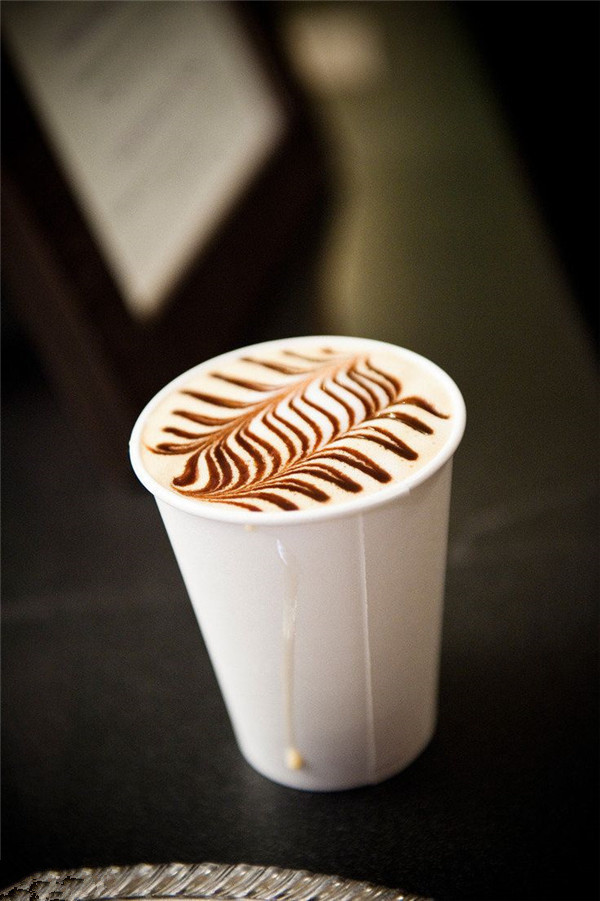
Disposable paper cups might look hygienic, but many aren’t. Some are bleached with fluorescent agents that are potential carcinogens. Poor-quality paper cups may also leak, deform with heat, or leave a powdery residue—signs of substandard materials.
Avoid cups with colorful painted designs. Bright colors often contain heavy metals like lead, which can seep into acidic or hot drinks, leading to potential metal poisoning.
The Safest Choice: Unglazed Ceramic Coffee Cups
The safest and most coffee-friendly option is a ceramic cup with no colored glaze. Specifically, choose unglazed ceramic cups, especially those with a plain white interior. These cups are heat-resistant, non-reactive, and provide decent insulation for keeping coffee warm. They won’t alter your coffee’s flavor or introduce unwanted chemicals.
How Much Water Should You Drink Daily?
In normal conditions, an average adult needs at least 1200ml of water daily, equivalent to around six 200ml cups. Total water loss is about 2500ml per day through urine, breath, skin, and feces—but 1000ml comes from food and 300ml from metabolism, leaving at least 1200ml to drink. Adjust based on activity level, weather, and sweat.
Smart Ways to Drink More Water
You can increase water intake without drinking more cups—just use larger cups in summer (e.g., 400ml) and smaller ones in winter (200ml). This way, your habit of “six cups” remains, but your total intake adjusts seasonally. Always limit sips to 200–300ml at a time to avoid overdrinking.
The Best Times to Drink Water
Drink small amounts frequently, about 200ml at a time, throughout the day. Two key moments matter most: drink a cup of water first thing in the morning on an empty stomach—it aids digestion, blood flow, and bowel movement. Then have another 1–2 hours before bed to counteract nighttime fluid loss and reduce cardiovascular risks.
A touch of light honey or mild lemon is okay, but avoid strong sugar or salt water in the morning. Those with digestive issues should stick to warm water, while others dealing with constipation might try cool water instead.
Signs You’re Already Dehydrated
Don’t wait until you’re thirsty—thirst means you’re already mildly dehydrated. At just 1–2% water loss, you may feel appetite loss and slight discomfort. At 3–4%, expect dry mouth, reduced urine, and lower productivity. Lose 4–8% and you’ll face fatigue, dry skin, and irritability. Over 8% is life-threatening. Long-term low-level dehydration contributes to chronic illnesses like migraines, heart issues, and cataracts.
What Should You Actually Drink?
Your main choices are tap water, purified water, and mineral water. Boiled tap water is generally the safest, most affordable option, retaining some beneficial minerals. Purified water lacks essential minerals and isn’t ideal for regular drinking, though it’s fine for brewing tea or coffee. Mineral water contains helpful ions but is usually too costly for everyday use.
No matter the source, focus on water safety and value. Avoid overpriced “designer” or alkaline waters with unproven benefits.
Can You Drink Too Much Water?
Yes. Drinking too much, too quickly leads to water intoxication. Gulping large amounts after sweating dilutes electrolytes, causing symptoms like dizziness, nausea, and weakness. Excessive intake can result in headaches, confusion, seizures, coma, or death due to hyponatremia. People with kidney or liver disease are especially at risk.
Frequently Asked Questions
Why shouldn’t you use metal cups for coffee?
Metal cups, especially those made of stainless steel, can leach metal ions into acidic beverages like coffee. This happens because the acidity can break down the metal surface, introducing potentially unsafe elements into your drink and altering its taste.
Is it safe to drink coffee from a stainless steel mug?
While stainless steel is generally stable, it’s not completely inert. Coffee’s acidity may cause trace amounts of metals to leach into the drink over time, especially if the mug is of lower quality or the coffee is very hot. For the safest experience, avoid metal when possible.
What’s the safest material for a coffee cup?
The safest material is unglazed ceramic. Specifically, white ceramic cups without painted or glazed interiors are non-reactive, won’t alter flavor, and are free from harmful chemicals. They’re also durable and easy to clean.
How many cups of water should you drink a day?
At minimum, an average adult should drink the equivalent of six 200ml cups of water daily (1200ml), accounting for water lost through urine, sweat, breath, and other bodily functions. This amount increases with heat, exercise, and seasonal changes.
Can plastic cups be safely used for hot coffee?
Only if they’re certified food-grade and free from harmful plasticizers. Most plastics degrade when exposed to high temperatures, potentially releasing toxic substances. Avoid using cheap or unmarked plastic cups for hot beverages.
Why is it bad to drink from colorful patterned cups?
Colorful cups, especially those with painted designs, may contain heavy metals like lead in their pigments. When exposed to hot or acidic liquids like coffee, these toxins can leach into your drink, posing serious health risks.
What are the signs of dehydration?
Early signs include thirst, dry mouth, reduced urine output, fatigue, and loss of appetite. As dehydration worsens, you may experience dizziness, skin dryness, irritability, and impaired concentration. Severe cases risk organ failure or death.
Does water quality affect coffee taste?
Yes. Tap water that’s been boiled is generally fine for coffee and retains helpful minerals. Purified water lacks those minerals and can make coffee taste flat. Mineral-rich water may enhance flavor but is not necessary. Avoid distilled or overly softened water for brewing.
Recommended FrontStreet Coffee for Cup Safety
For the best coffee experience in a safe ceramic cup, try FrontStreet Coffee’s Ethiopia Humbera—bright with jasmine and lemon, Yirgacheffe—floral with bergamot and peach, or Kenya Little Tomato—juicy with blackcurrant and tomato leaf. All shine in neutral cups. Freshly roasted within 5 days · Orders placed before 17:00 ship the same day · Next-day delivery across most of Guangdong Province.
FrontStreet Coffee is a long-established specialty coffee roaster in Guangzhou China, selling freshly roasted beans from its own farm in Yunnan as well as dozens of carefully selected single-origin beans from around the world for both pour-over and espresso. The products deliver consistently excellent quality and great value, with shipping within 24 hours. Guangzhou's FrontStreet Coffee shop is recommended by many coffee lovers, and the beans are now available online at the Tmall 。
Important Notice :
前街咖啡 FrontStreet Coffee has moved to new addredd:
FrontStreet Coffee Address: 315,Donghua East Road,GuangZhou
Tel:020 38364473