
"immature"
3462 article(s) found

How to manually select coffee beans and defective coffee beans
Coffee beans harvested from the same tree, regardless of particle size, mature or immature, are all baked in the same pot, resulting in uneven baking.

Coffee essence
Coffee beans are the seeds in the coffee fruit, which are exposed to strong sunlight and are not removed until the shell is cracked. This method is called "non-washing" or "natural drying". Another way is to put the coffee fruit in the sink to flash, soak in water to soften and then remove the "washing" of the flesh.
Coffee common sense the secret of why Blue Mountain Coffee tastes pure
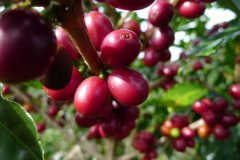
Their coffee trees are on rugged hillsides, and the picking process is so difficult that non-local skilled female workers are simply unable to do it. It is very important to choose the right ripe coffee beans when picking. Immaturity or ripeness will affect the quality of the coffee. The picked coffee beans are shelled on the same day, and then let them ferment for 1218 hours. After that, the coffee beans are washed and screened.
Taste characteristics of Costa Rica plus Saint Roman Coffee with Sweet Fruit Flavor Flavor Coffee Bean
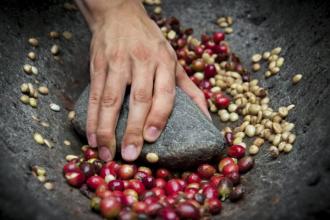
Coffee cherries are hand-selected by coffee farmers to remove overripe or immature cherries, and then produce them. A 3-disc aagaarde peeling machine is used to remove the peel and pulp, and then the machine is divided into three grades according to the density of coffee beans. Grade 1 and 2 raw beans are fermented separately, while grade 3 is low-quality raw beans. The raw beans were fermented in a cool place for about 24 to 36 hours.
Fruit sweetness Costa Rica plus Saint Roman Coffee varieties taste characteristics Manor boutique coffee bean flavor
Coffee cherries are hand-selected by coffee farmers to remove overripe or immature cherries, and then produce them. A 3-disc aagaarde peeling machine is used to remove the peel and pulp, and then the machine is divided into three grades according to the density of coffee beans. Grade 1 and 2 raw beans are fermented separately, while grade 3 is low-quality raw beans. The raw beans were fermented in a cool place for about 24 to 36 hours.
Fruit sweetness Costa Rica plus Saint Roman Coffee varieties taste manor characteristics boutique coffee bean flavor
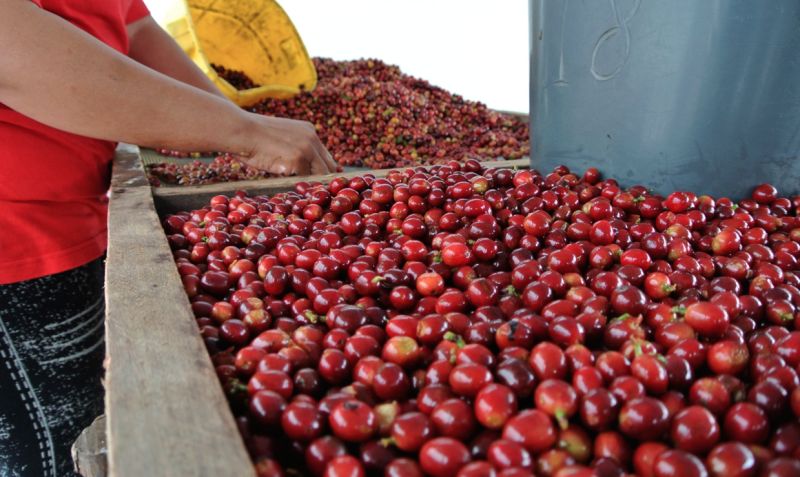
Coffee cherries are hand-selected by coffee farmers to remove overripe or immature cherries, and then produce them. A 3-disc aagaarde peeling machine is used to remove the peel and pulp, and then the machine is divided into three grades according to the density of coffee beans. Grade 1 and 2 raw beans are fermented separately, while grade 3 is low-quality raw beans. The raw beans were fermented in a cool place for about 24 to 36 hours.

Methods and skills of manual selection of coffee beans and defective coffee beans
I agree that apples don't taste different because of their size, but when it comes to roasting coffee beans, they all have to be heated anyway, and it doesn't matter if the coffee beans are different in size. Coffee beans harvested from the same tree, regardless of size

Single bourbon beans Musiui washing in the western province of Luanda, Rwanda
Like many African countries, Rwandan coffee is mainly produced by small farmers, and the ripe cherry fruits are collected and sent to the processing station every year during the harvest period. During the annual harvest period, the ripe coffee berries picked by farmers are concentrated in the treatment station for treatment, first selected by hand to ensure that no immature or damaged fruit is mixed in. Then remove the peel in a cool, cold ring
Coffee common sense the secret of why Blue Mountain Coffee tastes pure
Their coffee trees are on rugged hillsides, and the picking process is so difficult that non-local skilled female workers are simply unable to do it. It is very important to choose the right ripe coffee beans when picking. Immaturity or ripeness will affect the quality of the coffee. The picked coffee beans are shelled on the same day, and then let them ferment for 1218 hours. After that, the coffee beans are washed and screened.

The Common sense of Fine Coffee the "secret" of why blue mountain coffee tastes pure
Their coffee trees are on rugged hillsides, and the picking process is so difficult that non-local skilled female workers are simply unable to do it. It is very important to choose the right ripe coffee beans when picking. Immaturity or ripeness will affect the quality of the coffee. The picked coffee beans are shelled on the same day, and then let them ferment for 1218 hours. After that, the coffee beans are washed and screened.

Washed rose summer coffee Tolima San Pedro Manor Rose Summer coffee
Professional coffee knowledge exchange more coffee bean information please follow the coffee workshop (Wechat official account cafe_style) Columbia San Pedro Manor Finca San Pedro is located in the village of veredaLa Marimba, the village of Finca San Pedro, where most of the top coffee is grown in the area, is exemplary in its processing method, with a shallow groove to remove immature cherries and another shallow.

Treatment of Coffee Fruit and Coffee beans
The solarization process can also be called a natural process, which is basically the oldest, simplest, and requires the least mechanical tools. The first step is to sort and clean it up first. Immature, overripe, damaged coffee fruits will be singled out first. At the same time, the branches, leaves, mud and stones mixed in the fruit will also be removed. Sieves are usually used to deal with this preliminary
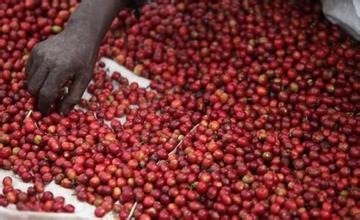
Fruit sweetness Costa Rica plus Saint Roman Coffee Variety characteristics taste Manor boutique coffee bean flavor introduction
Coffee cherries are hand-selected by coffee farmers to remove overripe or immature cherries, and then produce them. A 3-disc aagaarde peeling machine is used to remove the peel and pulp, and then the machine is divided into three grades according to the density of coffee beans. Grade 1 and 2 raw beans are fermented separately, while grade 3 is low-quality raw beans. The raw beans were fermented in a cool place for about 24 to 36 hours.
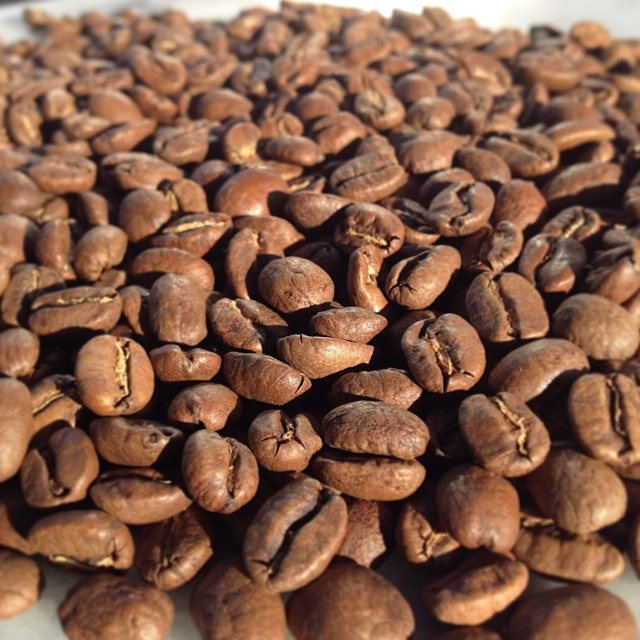
The sweet smell of chocolate beans makes people forget the flavor of Costa Rican Saint Roman coffee.
Coffee cherries are hand-selected by coffee farmers to remove overripe or immature cherries, and then produce them. A 3-disc aagaarde peeling machine is used to remove the peel and pulp, and then the machine is divided into three grades according to the density of coffee beans. Grade 1 and 2 raw beans are fermented separately, while grade 3 is low-quality raw beans. The raw beans were fermented in a cool place for about 24 to 36 hours.

Introduction to the Historical Taste of Blue Mountain Coffee
The secret of why Blue Mountain coffee tastes pure: their coffee trees are all grown on rugged hillsides, and the picking process is so difficult that non-local skilled female workers are simply unable to do it. It is very important to choose the right ripe coffee beans when picking. Immaturity or ripeness will affect the quality of the coffee. The picked coffee beans are shelled on the same day, and then let them ferment for 1218 hours.

Coffee filter paper for ordinary cups in flowering season of coffee trees
Coffee trees bloom in February-March (Northern Hemisphere) or June-July (Southern Hemisphere), depending on the origin. The flower color is white, Corolla 5-lobed, reversing, sending out a strong aroma. Coffee flowers are similar to jasmine in appearance and smell. When they bloom, they grow in clusters on the branches of coffee trees, and the flowering period is about 3-5 days. From planting to fruiting, it takes 3-5 years and 6-10 years of coffee.

Fine coffee bourbon beans washed in Muxiui producing area in the western province of Luanda, Rwanda
Like many African countries, Rwandan coffee is mainly produced by small farmers, and the ripe cherry fruits are collected and sent to the processing station every year during the harvest period. During the annual harvest period, the ripe coffee berries picked by farmers are concentrated in the treatment station for treatment, first selected by hand to ensure that no immature or damaged fruit is mixed in. Then remove the peel in a cool, cold ring
Hand-selected coffee beans and defective coffee beans
I agree that apples don't taste different because of their size, but when it comes to roasting coffee beans, they all have to be heated anyway, and it doesn't matter if the coffee beans are different in size. Coffee beans harvested from the same tree, regardless of size

Bourbon beans, Rwanda coffee, Musuyi boutique coffee in the western province of Luanda.
Like many African countries, Rwandan coffee is mainly produced by small farmers, and the ripe cherry fruits are collected and sent to the processing station every year during the harvest period. During the annual harvest period, the ripe coffee berries picked by farmers are concentrated in the treatment station for treatment, first selected by hand to ensure that no immature or damaged fruit is mixed in. Then remove the peel in a cool, cold ring

Semi-washing and complete washing in Brazil Super sun-dried beans and honey-prepared beans in Brazil
In Brazil, coffee cherries during the May harvest have already emitted a rich ripe aroma and need to be picked urgently. The harvest season will last until the end of August. 35% of the fresh coffee fruit is harvested by machine, while the remaining 65% is done by hand. It is the perfect balance of machine technology and handwork that ensures the highest quality of the coffee cherries picked. Brazil is blessed by nature.