
"inheritance"
3450 article(s) found
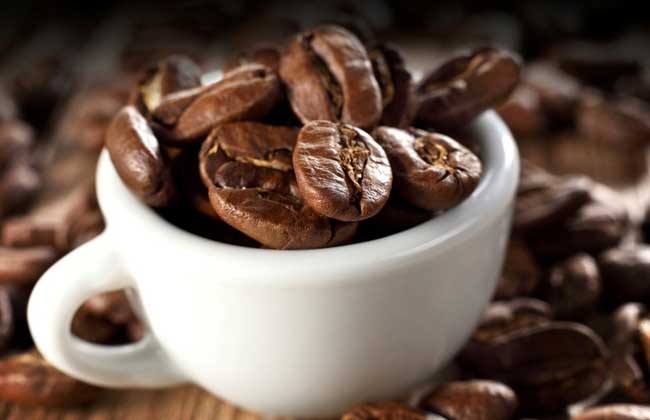
How about Salvadoran coffee? El Salvador coffee tastes good.
Following Cafe Review (Wechat official account vdailycom) found that Beautiful Caf é opened a small shop of its own coffee flavor and quality El Salvador is a producer of high-quality commercial Arabica beans, known for strict and effective quality control. Since 2003, he has joined the COE competition. With excellent ancient coffee, it successfully entered the boutique coffee market.

An introduction to the Salvadoran Coffee producing area in the volcanic Rock producing area of Charantan, Northwest China
El Salvador boutique coffee is concentrated in the volcanic rock producing areas of Santa Ana in the west and Charantanan fruit in the northwest. In recent years, the top 10 cup tests are almost entirely from these two producing areas, with an altitude of about 9-1500 meters, mainly bourbon (68%). Followed by Pacas (29%), mixed-race Pakamara, Dulaai and Kaddura accounted for only 3%. The coffee harvest season has been held since November.

Introduction to the Grinding scale treatment of Coffee beans in Mercedes Manor in El Salvador
In El Salvador, the coffee beans rich in the Kuskabapa region are the best, slightly lighter, fragrant, pure and slightly sour. Like Guatemala and Costa Rica, coffee in El Salvador is graded according to altitude, and the higher the altitude, the better the coffee. The best brand is Pip, whose quality has been recognized by the American Organic Certification Society. In addition

A brief introduction to the description of the flavor, taste and aroma characteristics of El Qomolangma boutique coffee beans
El Salvador boutique coffee is concentrated in the volcanic rock producing areas of Santa Ana in the west and Charantanan fruit in the northwest. In recent years, the top 10 cup tests are almost entirely from these two producing areas, with an altitude of about 9-1500 meters, mainly bourbon (68%). Followed by Pacas (29%), mixed-race Pakamara, Dulaai and Kaddura accounted for only 3%. The coffee harvest season has been held since November.
Taste characteristics of Salvadoran coffee varieties
Professional coffee knowledge exchange more coffee bean information please follow the coffee workshop (Wechat official account cafe_style) front street-Salvadoran coffee varieties introduction first cultivated by Salvadoran researchers in 1958. Pacamara is a rare excellent variety under artificial breeding, which is better than blue, and perfectly inherits the advantages of the mother plant. It not only has the excellent taste of Pacas species, but also has a good taste.

Sidamo 90 + candle hand pulsing recommended temperature grindability powder / water ratio data flavor and taste description
Exchange of professional baristas please pay attention to the coffee workshop (Wechat official account cafe_style), both Ethiopian sun-dried beans. After strict regulation and selection, candle candles have avoided the annoying soil odor and high bad bean rate in common sun-cured beans, while highlighting the admirable sweetness of sun-treated beans. The charming fruit tone of candlelight inherits the traditional Egyptian style.

Description of Candle Coffee's characteristic Flavor and Flavor Grinding scale in producing area of Candle Coffee
Candle Coffee characteristic Flavor description Variety Grinding scale Candle Candle charming fruit tonality inherits the charming aroma given by the traditional Egyptian sun, unreservedly expressing round, full, long aftertaste sweetness and just right fruit acidity. The daily brewing of candlelight is also quite easy to use, and the bean itself is rich in flavor, whether it is fresh dripping or thick.

Boutique Coffee Ataisi Manor in El Salvador, America, Micro-batch washing Pacamara Pacamara
Country: El Salvador Grade: SHG production area: Izalco area, Sonsonate Province, planting height: 1800 m picking season: January treatment: washing fermentation, sun drying varieties: Pacamara Manor: Finca Ataisi flavor: nut chocolate, passion fruit, cream, strawberry El Salvador is located in Central America, bordering Guatemala and Honduras in the north and west.

El Salvador boutique coffee producing area-Santa Ana in the west and Charantan fruit volcanic rocks in the northwest
El Salvador boutique coffee is concentrated in the volcanic rock producing areas of Santa Ana in the west and Charantanan fruit in the northwest. In recent years, the top 10 cup tests are almost entirely from these two producing areas, with an altitude of about 9-1500 meters, mainly bourbon (68%). Followed by Pacas (29%), mixed-race Pakamara, Dulaai and Kaddura accounted for only 3%. The coffee harvest season has been held since November.

AF Coffee Farm AF Company introduces Hughton Boliwal Coffee Environment Flavor description
AF Farm is also called AF Company, and his full name is Agropecuaria Farallones. About AF Farm in the mountains southwest of Medellin in Antioquia, Colombia, there is a city called Hughton Boliwal, which has a unique greenhouse-like natural environment, which allows people here to inherit and share the traditional harvest brought by this environment for generations.

Introduction to the grinding scale for describing the origin of El Salvador Pacamara coffee beans
El Salvador Pacamara Coffee Bean Flavor description Origin Grinding scale introduction Pacamara varieties are artificially cultivated varieties Pacas and Maragogipe. It was first cultivated by researchers in El Salvador in 1958. Pacamara is a rare excellent variety under artificial breeding, which is better than blue, and perfectly inherits the advantages of the mother plant. It not only has the excellent taste of Pacas species, but also has a good taste.

Kaduai coffee bean flavor description area yield variety
For professional baristas, please pay attention to the coffee shop (Wechat official account cafe_style) Kaduai is also an Arabica hybrid, which is a hybrid of Mundo Novo Mondonovu (New World) and Caturra Kaddura. It has a good ability to resist natural disasters, especially wind and rain. It inherits the advantages of Kaddura's low stature and changes the disadvantages of Mondonovo.

Introduction to the quality characteristics of El Salvador Mercedes Coffee Bean Flavor description treatment
El Salvador coffee beans are suffering from natural and man-made disasters and ill-fated destinies, which can be used to describe the challenges facing the coffee industry in El Salvador. Despite getting rid of the haze of war, El Salvador's coffee production still faces challenges from time to time. These include: 1998, hurricanes; 2001, earthquake; 2002, volcanic eruption; 2012, leaf rust
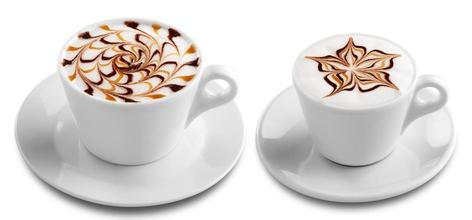
El Salvador coffee-producing countries in high-altitude growing areas introduce the treatment of high-quality coffee beans.
El Salvador boutique coffee is concentrated in the volcanic rock producing areas of Santa Ana in the west and Charantanan fruit in the northwest. In recent years, the top 10 cup tests are almost entirely from these two producing areas, with an altitude of about 9-1500 meters, mainly bourbon (68%). Followed by Pacas (29%), mixed-race Pakamara, Dulaai and Kaddura accounted for only 3%. The coffee harvest season has been held since November.
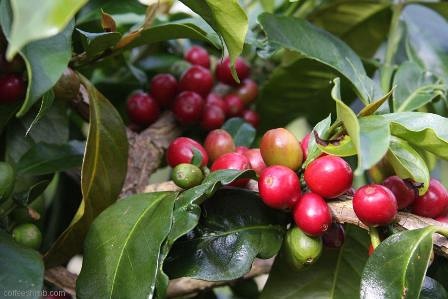
Americana Boutique Coffee Estate Salvador Ataisi Estate Micro Batch Wash Pacamara Pacamara
El Salvador is located in Central America, bordering Guatemala and Honduras in the north and the Pacific coast in the west and south. El Salvador is the smallest country in Central America and the most densely populated in Central America. Although El Salvador has a small territory, it has dozens of volcanoes and is the country with the highest volcanic density in the world. Therefore, it is called the country of volcanoes. whole

The Camellia Girl Manor of El Salvador where coffee is grown at an altitude of about 90-1500 meters above sea level
The Salvadoran mixed-race Pacamara boasted in coe, which confused many international cup testers and did not know how to score it. They never expected that this hybrid bean not only broke the mellow boundary of coffee, but also expanded the visibility of Salvadoran coffee. El Salvador boutique coffee is concentrated in Santa Ana in the west and Charantan fruit volcanic rock in the northwest, cup testing in recent years.

Introduction to the flavor grindability of balanced and soft Salvadoran coffee beans
El Salvador's coffee accounts for 40% of the country's exports, and it is usually picked in November, December and January-March of the following year. The export of raw beans lasts almost all year round. Coffee is produced in seven of the country's 14 provinces, with the largest number in the northwestern provinces of chalatenango and santa ana. The coffee produced in El Salvador is 100% Arabica, of which 68% is

Pure, slightly sour Manor Renas in El Salvador, the cultivation of boutique coffee beans, geographical location and climate
Features of Salvadoran coffee: Salvadoran coffee is a specialty of Central America, where coffee is light, fragrant, pure and slightly sour. Flavor: balanced taste, good texture recommended roasting method: medium to deep, there are many uses ★: general Salvadoran coffee market: the best quality Salvadoran coffee is exported from January to March, 35% of the extra hard beans are exported to Germany. nineteen

Coffee Network recommends Ataisi Manor in El Salvador, America, micro-batch washing Pacamara Pacamara.
El Salvador is located in Central America, bordered by Guatemala and Honduras in the north, and the Pacific coastline in the west and south. El Salvador is the smallest country in Central America and the most densely populated country in Central America. Although the territory of El Salvador is small, it has dozens of volcanoes. It is the country with the highest density of volcanoes in the world, so it is called the country of volcanoes. Full
Introduction to the varieties of grinding scale of El Salvador Pacamara coffee beans by flavor description treatment
El Salvador Pacamara coffee bean flavor description grinding scale introduction the civil war caused chaos and affected economic development, but ironically allowed the ancient coffee species to be preserved, and the situation was so chaotic that coffee producers in El Salvador failed to catch up with the renewal of coffee varieties in Central and South America. El Salvador produces 100% Arabica coffee, of which 68% is bourbon (Bo