
"laboratory"
2479 article(s) found

The History of siphon Pot basic knowledge of Coffee utensils
In 1840, a glass test tube in a laboratory triggered the invention of the siphon coffee maker (Syphon). The British took the test tube used in Biya's chemical experiment as a model to create the first vacuum coffee pot. Two years later, Mrs. Bachang of France improved the kettle, and the familiar upper and lower convection siphon pot was born. The siphon coffee maker lived in France for a long time.

Kenyan boutique coffee African boutique coffee beans
Kenya, located in East Africa, is one of the major coffee producing countries. More than 6 million people in the country are engaged in the coffee industry, mostly in the form of a combination of small farmers and cooperatives. Coffee trees in Kenya are mostly planted at 1400 m-2000 m above sea level, and the growing areas include Ruiri, Thika, Kirinyaga and Mt. Kenya West, Nyeri, Kiambu and Muranga. With Mt.Kenya and Ab

Return to the Cafe-Science + Cafe
It is a bold and wonderful way to let science out of the ivory tower and into the cafe, which is far from the atmosphere of the traditional academic environment. Why graft science with the cafe? Return to Cafe Science + Cafe =? The host said: we want our guests to discuss the latest scientific and technological developments freely and interestingly when they taste coffee or tea.
Water washing process at Gatugi treatment plant in Nyeri, Kenya
Kenya, located in East Africa, is one of the major coffee producing countries, with more than six million people engaged in the coffee industry, mostly in the form of a combination of small farmers and cooperatives. Coffee trees in Kenya are mostly grown at altitudes of 1400 m to 2000 m and grow in areas including Ruiri, Thika, Kirinyaga, Mt. Kenya West, Nyeri, Kiambu and Muranga. Mt.Kenya and Aberdare

Kenyan washed AA grade kringa producing area Kabarekong fish flavor characteristics, producing area and brewing parameters
Professional barista exchanges, please pay attention to coffee workshop (Weixin Official Accounts cafe_style ) According to SL laboratory botanists, SL28 and SL34 are genetic variants. SL28 has a mixed lineage of French missionaries, mocha and Yemeni tibica. SL28 was bred to produce high quality, pest resistant coffee beans in large quantities. Although later SL2

Four main varieties of raw beans grown in Kenya and their flavor characteristics
Raw bean varieties grown in Kenya, SL28 and Sl34. According to SL laboratory (according to botanists in SL laboratory, SL28 and SL34 are genetic variants. Among them, SL28 has a mixed pedigree of French missionaries, mochas and Yemens Tibica. The SL series is based on the ancient species of Mocha in Yemen and the bourbon species on the island of Reunion, and now accounts for the coffee production in Kenya.

Kenyan washed AB coffee differs from Kenyan AA coffee in taste
Professional coffee knowledge exchange more coffee bean information please follow the coffee workshop (Wechat official account cafe_style) what are the flavor characteristics and taste of AB grade water washed beans in Kaili, Kenya? Variety: (SL28SL34) Kenya, located in East Africa, is one of the major coffee producing countries.
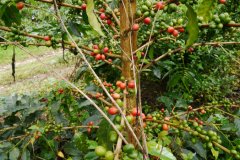
The history of the fight against leaf rust in the coffee industry in Colombia-a disease that coffee lovers must know about
Professional baristas follow the coffee workshop (Wechat official account cafe_style) if you landed in Bogota by plane in the 1960s, the first thing you could see from the airport was a huge sign that read in a stern tone: coffee leaf rust is the enemy. Please do not bring plants into the country from abroad. This is the Colombian coffee trade.

Introduction to the flavor characteristics of Kenyan coffee beans at the top of the equator. How much is the Kenyan coffee bean
Professional coffee knowledge exchange more information about coffee beans Please follow Coffee Workshop (Wechat official account cafe_style) the popular Kenyan coffee in Western Europe is native to Kenya and is proud of its production. Kenya is a country located on the equator, because the plateau of Kenya has a very well-drained volcanic soil and is rare in a tropical climate.

The story of a coffee man: come on, open a coffee shop with me!
I heard about LAlchimiste when I was testing coffee cups in a laboratory in Panama in February. At that time, an American walked casually through the gate, said hello to the plantation owner, and entered the laboratory without an appointment.
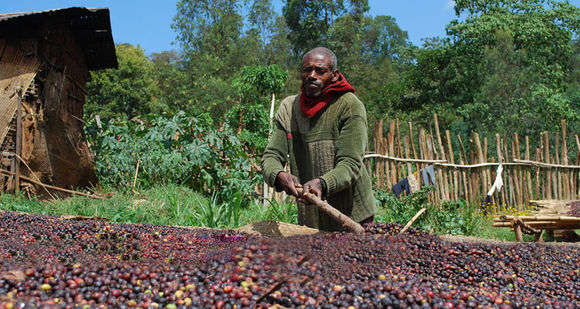
Fine American Coffee Guatemala New Oriental Region Guava Plain Manor Wine Fragrance Solarization SL28
Guatemala is one of the most important coffee-producing countries in Central America. The mountains in Guatemala extend for a long time, and the regional climate varies from one place to another. Therefore, eight coffee-producing areas in Guatemala are created. They are all located on the highland terrain with subtropical climate. The rainfall is abundant and stable. The fertile volcanic ash soil is the perfect environment for coffee trees to grow. Plan del Guayabo is located next to Volcn de Suchitn
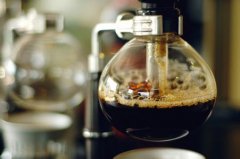
The cultural history of the coffee pot the history of the siphon pot
In 1840, a glass test tube in a laboratory triggered the invention of the siphon coffee maker (Syphon). The British took the test tube used in Biya's chemical experiment as a model to create the first vacuum coffee pot. Two years later, Mrs. Bachang of France improved the kettle, and the familiar upper and lower convection siphon pot was born. The siphon coffee maker lived in France for a long time.

Return to the Cafe-Science + Cafe
It is a bold and wonderful way to let science out of the ivory tower and into the cafe, which is far from the atmosphere of the traditional academic environment. Why graft science with the cafe? Return to Cafe Science + Cafe =? Wen he Photography / Master Chen Gang said: we want our guests to be interested and free to explore the latest science and technology while tasting coffee or tea.

Coffee tasting: how to evaluate the best Ethiopian coffee?
Professional coffee knowledge exchange more information on coffee beans Please follow the coffee workshop (Wechat official account cafe_style) an international coffee connoisseur in Addis Ababa has designated Ethiopian coffee as the best quality coffee in the world, and it is not surprising that coffee has become Ethiopia's main export. What makes Ethiopian coffee beans and the making process so special?

The history of the siphon pot the history and culture of the coffee pot
In 1840, a glass test tube in a laboratory triggered the invention of the siphon coffee maker (Syphon). The British took the test tube used in Biya's chemical experiment as a model to create the first vacuum coffee pot. Two years later, Mrs. Bachang of France improved the kettle, and the familiar upper and lower convection siphon pot was born. The siphon coffee maker lived in France for a long time.
Kenya AA Jia Tuji Gatugi processing Plant African Fine Coffee beans
Kenya, located in East Africa, is one of the major coffee producing countries. More than 6 million people in the country are engaged in the coffee industry, mostly in the form of a combination of small farmers and cooperatives. Coffee trees in Kenya are mostly planted at 1400 m-2000 m above sea level, and the growing areas include Ruiri, Thika, Kirinyaga and Mt. Kenya West, Nyeri, Kiambu and Muranga. With Mt.Kenya and Ab

African Kenya Meru coffee beans production area introduction Kenya coffee taste characteristics introduction
Professional coffee knowledge exchange More coffee bean information Please pay attention to coffee workshop (Weixin Official Accounts cafe_style) Kenya MERU (Meru) producing area small farmers planting coffee bean growing environment MERU (Meru) MERU: Most coffee in this area is planted by small farmers in Kenya foothills and Ny
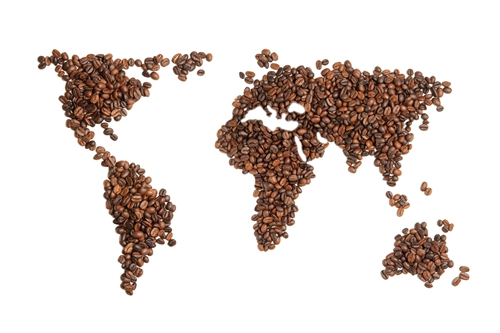
Pu'er Coffee fragrance "Belt and Road Initiative" Chinese Coffee producing area Yunnan small Coffee
Pu'er is known not only as the tea city of China, but also as the coffee capital of China. Coffee industry has become one of the characteristic agriculture in Pu'er plateau and an important pillar industry in the construction of national green economy experiment and demonstration zone. With the east wind of Belt and Road Initiative, coffee carries the dream of Pu'er people to the world. The cultivation of Pu'er coffee began at the end of the 19th century, and its industrialization began in 1988.
Introduction of AA Water washing Flavor of Corola Manor in Mulaya Town, Kenya
Kolola Manor, Muraya, Kenya AA Kenya Muranga Koorali AA country: Kenya Manor: Corola Manor altitude: 1800 m varieties: SL28 and SL34 Grade: AA treatment: washing flavor: plum blossom, BlackBerry, persimmon, caramel, fruit fudge, fine acid value, good juice, rich and thick taste Kenya is a coffee owner in East Africa
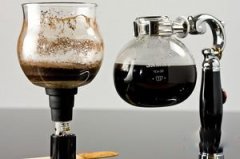
Siphon pot basic knowledge of making coffee
In 1840, a glass test tube in the laboratory triggered the invention of the siphon coffee pot (Syphon), and the British took Biya as a prototype for chemical experiments to create the first vacuum coffee pot. Two years later, Mrs. Baxiang of France improved the pot with a little spring shape, and the familiar upper and lower convection siphon pot was born. Syphon is Jane.