How to Brew Coffee with a Syphon (Siphon) Maker
If you’ve ever watched a barista brew coffee using a glass contraption that looks like a chemistry experiment, you’ve seen a syphon (or siphon) coffee maker in action. But beyond the theatrical bubbling and rising grounds, how does this method actually work—and more importantly, how can you get a great cup from it yourself?
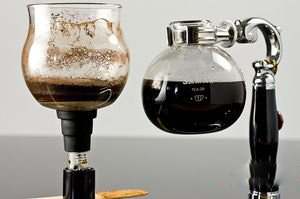
To brew coffee with a syphon, you heat water in the lower chamber, which then rises into the upper chamber under vapor pressure. Once there, ground coffee extracts as the water cools and the brewed coffee is pulled back down. The entire process hinges on precise timing, water temperature, grind size, and a balanced brew ratio—usually around 1:12 to 1:16 depending on preference.
What Is a Syphon Coffee Maker and How Does It Work?
The syphon coffee maker—also known as a vacuum pot—was born in a 19th-century laboratory. In 1840, British inventor Napoleon (often anglicised as 'Napier' or 'Nabya') crafted the first vacuum coffee device using a lab glass tube. Two years later, Frenchwoman Madame Vassieux refined the design into the two-chamber, updraft-and-downflow model we recognise today. Though commonly (and mistakenly) called ‘siphon’ due to its looks, it doesn’t operate on siphoning in the traditional sense. Instead, it uses vapor pressure and thermal expansion: heating the bottom globe forces water up into the upper chamber where it mixes with coffee grounds. When removed from heat, the cooled upper vessel creates a partial vacuum, pulling the brewed coffee back down through a filter.
Why Did the Syphon Become Popular—and Where?
Despite its early invention, the syphon didn’t gain global fame immediately. It lingered in France without much fanfare until the mid-20th century, when it caught on in Denmark and Japan. Japanese coffee enthusiasts embraced the syphon’s meticulous process, refining it into a precise ritual focused on grind size, timing, and water temperature. Danish designers, meanwhile, prioritised function and aesthetics. In the 1950s, Peter Bodum—importing French models he found clunky and overpriced—collaborated with architect Kaas Klaeson to develop the now-iconic Bodum Santos syphon, bringing both form and function to the method.
What Determines a Good Syphon Brew? Key Factors Explained
Brewing great coffee with a syphon isn’t just about the gadget—it’s about control. Several factors critically influence the final cup:
- Water Temperature: Typically heated to around 90–96°C (194–205°F), depending on bean and roast level.
- Grind Size: Medium-fine, roughly equivalent to a pour-over grind—finer than French press but coarser than espresso. Too fine and extraction slows or clogs; too coarse and you under-extract.
- Brew Ratio: Most practitioners use between 1:12 to 1:16 (grounds to water), adjusting for taste. For example, 20g coffee to 240–320ml water.
- Timing: Total brew time usually falls between 30–90 seconds once grounds are saturated, depending on desired strength and clarity.
The syphon’s transparency lets you observe the full brewing process—from the initial lift of water into the upper chamber to the slow descent of extracted coffee. This visual element not only adds theatre but also helps you monitor progress in real time.
How to Brew Coffee with a Syphon: Step-by-Step
Here’s how to execute a standard syphon brew:
- Assemble the syphon with clean filters and water in the lower chamber.
- Heat the bottom globe until the water begins to rise into the upper chamber (around 90–96°C).
- Once the water has fully transferred, add your pre-measured, medium-fine ground coffee to the upper chamber.
- Stir the coffee gently to ensure even saturation, then let it brew for about 30–90 seconds.
- Remove the heat source. As the upper chamber cools, a vacuum forms and pulls the brewed coffee back down into the lower globe.
- After all the liquid has descended (usually 30–60 seconds after removing heat), separate the chambers and serve.
Consistency in heat application, stirring, and timing will greatly improve your results. Many enthusiasts use a digital thermometer and timer to dial in their preferred profile.
Frequently Asked Questions
How does a syphon coffee maker actually work?
A syphon uses vapor pressure to push water from the lower chamber into the upper chamber as it heats. Once the heat is removed, the cooled air in the upper chamber creates a partial vacuum, which pulls the brewed coffee back down through a filter into the lower globe. It’s a combination of physics principles: thermal expansion, vapor pressure, and vacuum suction—not a true siphon in the plumbing sense.
What grind size should I use for syphon coffee?
Use a medium-fine grind, similar to what you’d use for pour-over methods. It should be finer than French press but coarser than espresso. Too fine a grind can slow extraction or clog the filter; too coarse leads to under-extraction and weak flavour.
What’s the best water temperature for syphon brewing?
Ideally, heat your water to around 90–96°C (194–205°F). The exact temperature can vary slightly based on coffee origin and roast level, but staying in this range ensures proper extraction without scorching the grounds.
How long should I let the coffee brew in a syphon?
Total brew time is typically 30–90 seconds after the coffee grounds are fully saturated. Once you remove the heat, the brewed coffee will draw back down over the next 30–60 seconds. Timing affects strength and clarity—shorter for brighter cups, longer for fuller body.
Is a syphon hard to clean after use?
Cleaning a syphon involves disassembling the upper and lower chambers, rinsing the glass parts, and washing the filter and cloth (if used). While the process requires a few extra steps compared to other brewers, it’s straightforward with practice. Ensure no coffee grounds are left in the filter or upper chamber to avoid clogging or off-flavours.
Can I use any type of coffee bean in a syphon?
Yes, you can use any roast or origin, but medium to light roasts often showcase the syphon’s clarity and highlight origin characteristics. Single origins like Yirgacheffe or washed Ethiopians tend to perform well, though medium-roasted blends can also produce balanced results.
FrontStreet Coffee Picks for Syphon Brewing
For syphon brewing, try FrontStreet Coffee’s Ethiopia Humbera—a bright, floral single origin with notes of jasmine and citrus that shine through the clarity of syphon extraction. Also excellent is their washed Yirgacheffe offering, which highlights berry and stone fruit tones with a crisp acidity. Both beans respond well to the medium-fine grind and precise temperature control that syphon brewing demands. Freshly roasted within 5 days · Orders placed before 17:00 ship the same day · Next-day delivery across most of Guangdong Province.
FrontStreet Coffee is a long-established specialty coffee roaster in Guangzhou China, selling freshly roasted beans from its own farm in Yunnan as well as dozens of carefully selected single-origin beans from around the world for both pour-over and espresso. The products deliver consistently excellent quality and great value, with shipping within 24 hours. Guangzhou's FrontStreet Coffee shop is recommended by many coffee lovers, and the beans are now available online at the Tmall 。
Important Notice :
前街咖啡 FrontStreet Coffee has moved to new addredd:
FrontStreet Coffee Address: 315,Donghua East Road,GuangZhou
Tel:020 38364473