
"lim"
972 article(s) found

A brief introduction to the flavor, taste and aroma characteristics of fine coffee beans in Shaquiso producing area with lemon and citrus flavor.
In the West, Ethiopian coffee is generally sold on the market as Yega Feixidamo and Harald (Yirgacheffee, Sidamo and Harrar). In the field of boutique coffee, there are also five other small places of coffee, namely Lim, Gemma, Le Campdi, Becca and Limmu, Djimmah, Lekempti, Bebeka and Wolega. What you see most often is

Unique Ethiopian Coffee Manor Coffee Bean Flavor, taste and aroma description, Jane
In the field of boutique coffee, there are also five other small places of coffee, namely Lim, Gemma, Le Campdi, Becca and Limmu, Djimmah, Lekempti, Bebeka and Wolega. The most common is Essesidamo or Harald coffee (Either Sidamo or Harrar coffee). Harald Coffee (HarrarCoffee) is made in Essex.
Ethiopian coffee grade washed coffee Yega Xuefei
The highest grades of Ethiopian washed coffee Yega Chuefei G1 G2 Sidamo (Yirgacheffe, Sidamo) are Grade 2 and Grade 3 (G2, G3), while most of the sun-processed coffee in eastern Ethiopia are Grade 4 or Grade 5 (G4, G5). In many cases, level 4 coffee is marked as level 5 in order to reduce taxes. At present, the grading is not uniform and messy, because there is also sun processing.

Ethiopian Coffee Gemma area introduces boutique coffee beans
Readers interested in Ethiopian boutique beans should pay more attention to the producing areas of Sidamo, Yegashifi (especially rare sun-dried beans), Harald, Lim and Jinbi, whose rich orange and floral aromas are different from those of Central and South American beans. Ethiopia is a treasure trove of coffee genes. Experts estimate that there may be more than 2,000 Arabica subspecies hidden in Ethiopia, but the coffee industry in Ethiopia is facing the greatest difficulty.

Coffee beans in Sidamo, Ethiopia have a delicate smell of flowers and plants.
Following Cafe Review (Wechat official account vdailycom) found that Coffee Sidamo Coffee has opened a small shop of its own, Sidamo Coffee with gray beans, thick and small in some places, soft and strong acidity, good mellow and sweet spice, and is one of the courtyard coffee in the highlands of southern Ethiopia. Unlike ordinary African coffee, Sidamo has clear acidity and slippery.

Ethiopia-Coffee Origin, producing areas, characteristics, introduction
Grade of Ethiopian coffee: Ethiopian washed coffee Yega Chuefei G1 G2 Sidamo (Yirgacheffe, Sidamo) has the highest grades 2 and 3 (G2, G3), while sun-processed coffee in eastern Ethiopia is mostly grade 4 or 5 (G4, G5). In many cases, level 4 coffee is marked as level 5 in order to reduce taxes. At present, the classification is not uniform and there are
Ethiopian Coffee Culture the Development of Ethiopian Coffee
Ethiopian Coffee has a long History Ethiopian Coffee has a very important history and culture the highest grades of Ethiopian coffee Yega Xuefei G1 G2 Sidamo (Yirgacheffe, Sidamo) are grade 2 and 3 (G2, G3), while sun-processed coffee in eastern Ethiopia is mostly grade 4 or 5 (G4, G5). In many cases, level four coffee is marked as level five.

Introduction to the grade of coffee beans in Ethiopia
Grade of Ethiopian coffee: Ethiopian washed coffee Yega Chuefei G1 G2 Sidamo (Yirgacheffe, Sidamo) has the highest grades 2 and 3 (G2, G3), while sun-processed coffee in eastern Ethiopia is mostly grade 4 or 5 (G4, G5). In many cases, level 4 coffee is marked as level 5 in order to reduce taxes. At present, the classification is not uniform and there are

The origin of Ethiopian coffee and the description of Ethiopian coffee flavor.
Following caf é (Wechat official account vdailycom) found that the Cafe Beautiful opened a small shop of its own. Ethiopia is the birthplace of coffee. Ethiopian coffee has the same deep cultural accumulation as Chinese tea. Coffee is called the coffee of the wilderness, and a cup of Ethiopian coffee can bring you a primitive experience you've never had before. Ethiopia has unique natural conditions and is suitable for planting.

The grade of Ethiopian coffee in Ethiopian coffee producing areas
The grade of Ethiopian coffee: Ethiopian water washed coffee Yega Xuefei, the highest grade of Yirgacheffe and Sidamo may be level 2 or 3 (G2 or G3), and most sun-processed coffee in eastern Ethiopia is grade 4 or 5 (G4, G5). In many cases, level 4 coffee is marked as level 5 in order to reduce taxes. The current classification is not very uniform.

Ethiopian Coffee Farm single Bean Farm what are the suggestions for Ethiopian single Bean Baking
Professional baristas Please pay attention to Coffee Workshop (Wechat official account cafe_style) LIMU Lim produces amazing coffee even without the reputation of Hidamo and Yegashev. Most of the areas are small farmers, but there are also some large estates belonging to the government. Altitude: 1400-2200m harvest: November January varieties: Heirloom HARRAR this area is surrounded by ha
Special article | Coffee culture in mainland China Taiwan is an important driving force
Taipei and Shanghai are representatives of commercial cities on both sides of the strait, and the characteristics of these two cities are specifically and slightly reflected in their cafe culture. Regardless of the common chain stores such as Starbucks, the cafes in Shanghai have a cup of 60 to 80 yuan (about NT $270 to 360), but they are always full of Japanese cafes, reserved cafes hidden in old houses, and fusion traditions.

Ethiopian coffee raw beans introduce cup size in coffee shop
The highest grades of Ethiopian washed coffee Yega Chuefei G1 G2 Sidamo (Yirgacheffe, Sidamo) are Grade 2 and Grade 3 (G2, G3), while most of the sun-processed coffee in eastern Ethiopia are Grade 4 or Grade 5 (G4, G5). In many cases, level 4 coffee is marked as level 5 in order to reduce taxes. At present, the grading is not uniform and messy, because there is also sun processing.

Ethiopian coffee beans, coffee beans
Ethiopia is home to Arabica coffee, and it is in the forests of the Kaffa region that you can see Arabica coffee growing wild. In Ethiopian, coffee is called Bun or Buna, and coffee beans may be translated from Kaffa Bun. Arabica coffee was discovered early in the Harar region, most likely from Karachi.

A brief introduction to the History and Culture of the Origin and Development of Fine Coffee beans in the unique and mellow Shaqisuo producing area
Limu Coffee coffee is famous for its aroma and wine taste (spicy and Winnie flavor) and is very popular in Europe and the United States. The acidity and alcohol thickness are good, and the water-washed lim coffee is also the favorite of fine coffee. The bean shape is medium, greenish blue, mostly round. Sidamo Coffee (SidamaCoffee) has medium bean shape, green and gray. Sidamo washed coffee has a balanced taste and flavor.

Ethiopia-the birthplace of the famous Arabica coffee beans
Ethiopia is the birthplace of the famous Arabica coffee beans, and people have always maintained the tradition of harvesting wild coffee beans. The coffee garden at an altitude of more than 1500 meters has formed a unique coffee style after thousands of years of evolution and adaptation. Ethiopian coffee grown in the natural wild environment is called wilderness coffee, which retains the most primitive and natural taste of coffee beans.
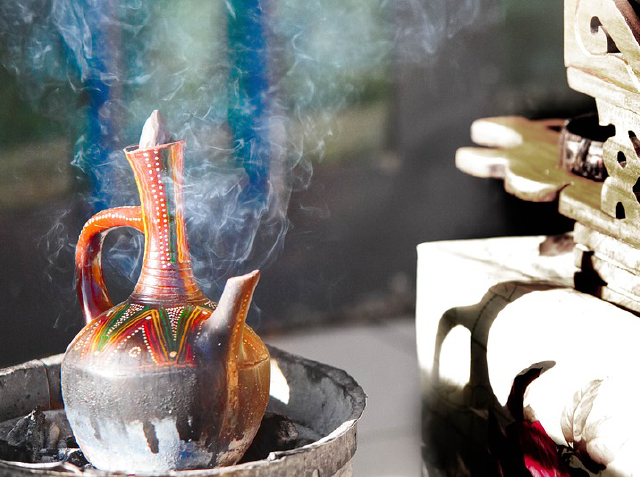
Classification and Flavor characteristics of Ethiopian Coffee Bean Heirloom varieties introduced in Ethiopian Fine Coffee producing areas
Ethiopia, the birthplace of coffee, has a number of boutique coffee producing areas, producing popular high-quality coffee beans, such as Yega Xuefei, Guoding Ding Ding, Sakui and so on. Each producing area will have its own flavor characteristics. Follow Qianjie Coffee to learn about it.

What is the flavor of Ethiopian coffee beans? describe the characteristics of producing area information.
For the exchange of professional baristas, please follow the coffee workshop (Wechat official account cafe_style) in the West, Essex Coffee is generally sold on the market under the label Yega Chuefei Cedamo and Harald (Yirgacheffee, Sidamo and Harrar). In the field of boutique coffee, there are five other small places of coffee, namely, Lim, Gemma, Le Campdori, Becca and Limmu, D.

Ethiopian coffee plantation with unique quality and moderate pH
Harar Coffee is produced in the eastern highlands of Ethiopia. It is medium bean-shaped and large

Flavor description of Sidamo Red Cherry Plan Coffee beans
Sidamo Red Cherry Project Coffee Flavor description Grinding scale Variety operation Cherrie Red "Red Cherry Project" (ORC) is a project to improve the quality of small-scale farms, mainly to encourage soybean farmers and surprise roasters. Trabocca, the largest coffee bean seller in the Netherlands, invited all Ethiopian farms to produce small quantities of about 1500-3000 before the harvest season.