
"methylxanthine"
35 article(s) found

The advantages of caffeine in the treatment of apnea outweigh the disadvantages in premature infants.
More than 30 years ago, clinicians found that methylxanthine alkaloids (methylxanthines) can reduce the incidence of apnea in premature infants. Since then, methylxanthine alkaloids have become part of the routine clinical treatment of apnea in premature infants. Because caffeine in these drugs has a long half-life in infants, so in clinical treatment.

Is there any medicine for coffee beans? how to make a strong coffee?
1. Effect on the central nervous system: caffeine, the main active ingredient of coffee, and its structural analogue theophylline have a strong central excitatory effect on coffee trees. But theophylline has a stronger effect and lasts longer than caffeine. People who take caffeine or drink caffeinated drinks often show that drowsiness disappears, fatigue is reduced, and the mind is quick. With the increase of the dose, the excitatory effect of the central nervous system becomes clearer.
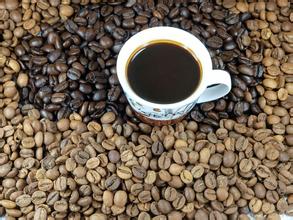
Variety Classification and Medicinal value of Coffee Tree
Variety classification Arabica bean coffee tree can be divided into two main varieties: Arabica species (Coffea Arabica) and Robusta species (Coffea Robusta/Coffea Canephora). There are also some minor species, such as the Liberian species (Coffea Liberica) and the Alabasta species (Coffea Arabusta), but they are rare on the market. Rob.

How to identify the good coffee? what's the advantage of drinking a cup of coffee every day?
1. Effect on the central nervous system: caffeine, the main active ingredient of coffee, and its structural analogue theophylline have a strong central excitatory effect on coffee trees. But theophylline has a stronger effect and lasts longer than caffeine. People who take caffeine or drink caffeinated drinks often show that drowsiness disappears, fatigue is reduced, and the mind is quick. With the increase of the dose, the excitatory effect of the central nervous system becomes clearer.

Fine Coffee Science explains the nouns of coffee in detail.
[source] basic source of medicinal materials: seeds of small fruit coffee, medium fruit coffee and large fruit coffee of Rubiaceae. Latin plant animal mineral name: 1.CoffeaarabicaL.2.CoffeacanephoraPierreexFroehn.3.CoffealibericaBul1.exH1en harvesting and storage: the pericarp begins to turn red and can be harvested. The harvest time varies with the species, and the small seeds are collected from September to November and from September to October.
Related Pharmacokinetics of Coffee
The phenomenon of death with caffeine is rare. The lethal dose of caffeine for adults is about 5-10g, and adverse reactions can occur when taking 1g, such as central nervous system and circulatory system symptoms. Early symptoms such as insomnia, restlessness and agitation develop into mild coma, vomiting, spasms, muscle tension and tremor, tachycardia and extrasystole (extrasysto1e). In addition,

Coffee knowledge What is caffeine?
Caffeine is a substance found in the leaves, roots and fruits of 100 plants found in nature, and is also a group of methylxanthines. Caffeine generally comes from coffee, cola nuts and tea leaves. Caffeine is also used in energy drinks and medicines for colds and flu. Coffee and tea also contain other dimethylxanthine theophylline. Theophylline is similar to coffee.

Boutique Coffee learn Coffee Common sense what is caffeine?
What is caffeine? Caffeine is a substance found in the leaves, roots and fruits of 100 plants in nature. it is also a mixture of methylxanthine. Caffeine usually comes from coffee, dimethoate and tea. Caffeine is also used in energy drinks and drugs to treat colds and flu. Coffee and tea also contain other dimethylxanthine theophylline. Tea

What is caffeine? The basic knowledge of introduction to Coffee
What is caffeine? Caffeine is a substance found in the leaves, roots and fruits of 100 plants in nature. it is also a mixture of methylxanthine. Caffeine usually comes from coffee, dimethoate and tea. Caffeine is also used in energy drinks and drugs to treat colds and flu. Coffee and tea also contain other dimethylxanthine theophylline. Tea

Which is more refreshing, coffee or tea?
Please pay attention to coffee workshop (Weixin Official Accounts cafe_style) caffeine refers to caffeine, which belongs to methylxanthine group together with theophylline and theobromine that will kill Wang Xingren, but both molecular structure and physiological function are slightly different. Structurally, the latter two are one less methyl group than caffeine, and their excitatory effects on the human body are much milder than caffeine.

Can pregnant people drink coffee? What's the impact?
Professional coffee knowledge exchange more coffee bean information please follow the coffee workshop (Wechat official account cafe_style) caffeine is a methylxanthine alkaloid, with the excitatory effect of the central nervous system and the positive effect of the cardiovascular system. As early as 1980, FDA made it clear that caffeine should be used carefully during pregnancy. Animal experiments have shown that increased caffeine intake during pregnancy affects reproduction and fetal hair.

Coffee and Science: exploring the Origin and Coffee Flavor from a Chemical Perspective
Professional coffee knowledge exchange more coffee bean information please follow the coffee workshop (Wechat official account cafe_style) where is your favorite coffee producing area? Brazil, Kenya, Ethiopia? Why do you care which country the coffee comes from? There is probably an important reason because the same variety of coffee has different chemicals according to where it grows.
How does the origin of coffee affect the chemical composition and traceability of coffee beans?
Professional coffee knowledge exchange more coffee bean information please follow the coffee workshop (Wechat official account cafe_style) do you have a favorite coffee producing area? Brazil, Kenya, Ethiopia? Why do you need to care which country the coffee comes from? The most important reason is that even the same variety of coffee will produce different chemical composition depending on where it is planted.

How does origin affect the chemical composition and traceability of coffee? Does coffee from different places have the same flavor?
Do you have a favorite coffee producing area? Brazil, Kenya, Ethiopia? Why do you need to care which country the coffee comes from? The most important reason is that even the same variety of coffee will produce different chemical composition due to different planting places. These differences in chemical composition will not only affect the flavor, but also help us to identify distinct flavor characteristics. This article gives way
The effect of Coffee on people what is the effect of drinking Coffee on Health
For more information on coffee beans, please pay attention to the ingredients of coffee in the coffee workshop (Wechat official account cafe_style) Coffee contains a variety of bioactive compounds, including methylxanthine such as caffeine, theophylline and theobromine, as well as flavonoids and phenols. One of the most frequently mentioned is "caffeine", but other ingredients in coffee are also due to drinking coffee.
Answers to various questions about coffee
What is caffeine? Caffeine is a substance found in leaves, roots and unattractive fruits that naturally compete for 100 kinds of plants. it is also a group of methylxanthine assimilates. Caffeine generally comes from coffee, cola and tea. Caffeine is also used in energy drinks and drugs to treat colds and flu. Coffee and tea also contain other dimethyl xanthine teas
A few "what is" in boutique coffee?
What is caffeine? Caffeine is a substance found in the leaves, roots and fruits of 100 plants in nature. it is also a mixture of methylxanthine. Caffeine usually comes from coffee, dimethoate and tea. Caffeine is also used in energy drinks and drugs to treat colds and flu. Coffee and tea also contain other dimethylxanthine theophylline. Tea
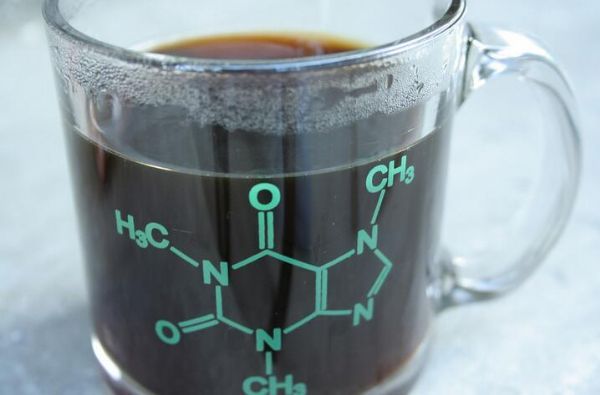
Will a coffee nap energize us?
April 21, 2017 / Biological Valley BIOON/-Coffee and naps seem to have something in common. They both wake us up and enhance our behavior, but some people think that having a cup of coffee before a nap may make us more energetic after waking up; is that really the case? Is there any research evidence to explain this coffee nap (
What are the eight "what" in coffee?
What is caffeine? Caffeine is a substance found in the leaves, roots and fruits of 100 plants in nature. it is also a mixture of methylxanthine. Caffeine usually comes from coffee, dimethoate and tea. Caffeine is also used in energy drinks and drugs to treat colds and flu. Coffee and tea also contain other dimethylxanthine theophylline. Tea

Basic knowledge of boutique coffee what is caffeine?
What is caffeine? Caffeine is a substance found in the leaves, roots and fruits of 100 plants in nature. it is also a mixture of methylxanthine. Caffeine usually comes from coffee, dimethoate and tea. Caffeine is also used in energy drinks and drugs to treat colds and flu. Coffee and tea also contain other dimethylxanthine theophylline. Tea