
"parchment"
2512 article(s) found

Processing of Fruit of Fruit of Fine Coffee
Coffee is the fruit of a Rubiaceae plant growing about 6000 feet above sea level, distributed on the world's narrow subtropical axis; coffee trees grow green all the year round and can grow up to 20 feet tall, and are generally controlled at 8 to 10 feet for easy harvest. It takes three to five years for the coffee tree to bear fruit. First of all, it produces small white flowers that resemble jasmine in shape and size, and then wither and bear deep fruit.

What is the difference in flavor and taste between water washing and sun treatment of coffee beans?
The difference in flavor and taste between washed and tanned coffee beans lies in where the peel and Skin/Pulp are: the outermost layer of the coffee bean is covered with berry-like skin and pulp. In addition to the natural sun method, coffee beans treated by other methods must remove the skin and flesh within a few hours after picking. It is similar to the cherries we often eat, but the difference is that we are in

The production and processing of coffee beans the Panamanian Jade Manor
1. Skin/Pulp: the outermost layer of coffee beans is covered with berry-like skin and pulp. In addition to the natural sun method, coffee beans treated by other methods must remove the skin and flesh within a few hours after picking. Similar to the cherries we often eat, the difference is that when we eat cherries, we mainly eat the pulp and peel of berries. For coffee.

Processing of Fruit of High-quality Coffee
Coffee is the fruit of a Rubiaceae plant growing about 6000 feet above sea level, distributed on the world's narrow subtropical axis; coffee trees grow green all the year round and can grow up to 20 feet tall, and are generally controlled at 8 to 10 feet for easy harvest. It takes three to five years for the coffee tree to bear fruit. First of all, it produces small white flowers that resemble jasmine in shape and size, and then wither and bear deep fruit.

Summary of processing methods and characteristics of Coffee Fruit
Coffee is the fruit of a Rubiaceae plant growing about 6000 feet above sea level, distributed on the world's narrow subtropical axis; coffee trees grow green all the year round and can grow up to 20 feet tall, and are generally controlled at 8 to 10 feet for easy harvest. It takes three to five years for the coffee tree to bear fruit. First of all, it produces small white flowers that resemble jasmine in shape and size, and then wither and bear deep fruit.

Summary of the processing and characteristics of Coffee Fruit
Coffee is the fruit of a Rubiaceae plant growing about 6000 feet above sea level, distributed on the world's narrow subtropical axis; coffee trees grow green all the year round and can grow up to 20 feet tall, and are generally controlled at 8 to 10 feet for easy harvest. It takes three to five years for the coffee tree to bear fruit. First of all, it produces small white flowers that resemble jasmine in shape and size, and then wither and bear deep fruit.
A Summary of the processing and characteristics of Coffee Fruit
Coffee is the fruit of a Rubiaceae plant growing about 6000 feet above sea level, distributed on the world's narrow subtropical axis; coffee trees grow green all the year round and can grow up to 20 feet tall, and are generally controlled at 8 to 10 feet for easy harvest. It takes three to five years for the coffee tree to bear fruit. First of all, it produces small white flowers that resemble jasmine in shape and size, and then wither and bear deep fruit.

The sun? Washing? Honey treatment? What exactly are you talking about when you are talking about the handling of coffee beans?
The exchange of professional baristas please follow the coffee workshop (Wechat official account cafe_style) 1. Coffee fruit can be divided into six layers from outside to inside, namely, outer skin, pulp, gum, parchment, silver and seeds. The difference of different treatment methods lies in the different methods of removing the outer coating of beans; 2, dry treatment 3, no layer is removed, the whole beans are directly dried and exposed to sunlight.
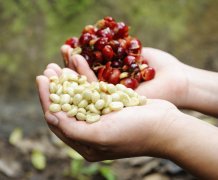
The refined processing of coffee beans includes roughing, separation, classification, fermentation, drying, shelling and throwing.
The refined processing of coffee beans includes eight processes, such as rough processing, separation, classification, fermentation, drying, shelling, polishing, sorting and so on. There are two ways to prepare coffee beans for the baking process. The method chosen has a significant impact on the final value and quality of coffee. The cheapest method of processing is called drying, which is used for lower coffee beans and higher quality coffee beans.

Moderate alcohol Berman Manor in Kenya, the cultivation of boutique coffee beans, geographical location, climate, altitude is simple.
Kenyan coffee is mostly grown at an altitude of 1500m, 2100m, and is harvested twice a year. To ensure that only ripe berries are picked, people must tour the forest about seven times. Kenyan coffee is grown by small farmers. After they harvest the coffee, they first send the fresh coffee beans to the cooperative cleaning station, where the washed and dried coffee is covered with parchment beans.

General knowledge of Fine Coffee processing and characteristics of Coffee Fruit
Coffee is the fruit of a Rubiaceae plant growing about 6000 feet above sea level, distributed on the world's narrow subtropical axis; coffee trees grow green all the year round and can grow up to 20 feet tall, and are generally controlled at 8 to 10 feet for easy harvest. It takes three to five years for the coffee tree to bear fruit. First of all, it produces small white flowers that resemble jasmine in shape and size, and then wither and bear deep fruit.
There are three common methods of coffee treatment: sun exposure, washing, and honey treatment.
Professional coffee knowledge exchange more coffee bean information please pay attention to the coffee workshop (Wechat official account cafe_style) what are the common coffee treatments? Qianjie Coffee introduces three classic treatments: sun exposure, water washing and honey treatment. After removing the floating beans, lay the coffee cherries in the sun for 2-3 weeks, during which you need to turn them several times a day.

In the process of coffee cultivation, coffee is grown with seeds with endocarp.
In the process of coffee cultivation, some people mistakenly think that coffee is grown directly with raw beans, but it takes a long time to grow but find that it does not sprout. In fact, coffee is grown with seeds with endocarp (Parchment). The inner fruit (or sheepskin or paper parchment) refers to the tea-brown hard skin that wraps the coffee seeds, and the coffee beans attached to that layer are called Parchment Bean. Dial
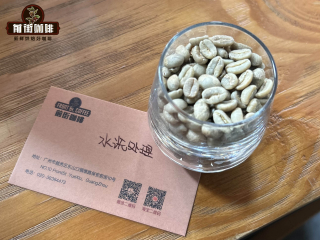
Introduction to Coffee-Coffee washing process introduction to the correct brewing method of washed coffee beans
Washing requires the use of special machinery and equipment and adequate water sources. When properly treated, the special characteristics of coffee beans can be more highlighted. In addition, the number of bad beans can also be removed in large numbers during the washing process, so that the quality of coffee beans can be improved. The procedure of washing coffee is widely used in Central and South American countries.

The cultivation process and sowing of Coffee in Yunnan & does #160; Coffee belong to Arabica?
People often mistakenly think that coffee is grown directly with raw beans, but it takes a long time to grow coffee only to find that it doesn't sprout. In fact, coffee is grown with seeds with endocarp (Parchment). The inner fruit (or sheepskin or paper parchment) refers to the tea-brown hard skin that wraps the coffee seeds, and the coffee beans attached to that layer are called Parchment Bean. Put aside the full maturity

Introduction to the treatment of Coffee Raw beans Why should they be washed natural Coffee treatment
Professional coffee knowledge exchange more information about coffee beans Please follow the coffee workshop (official Wechat account cafe_style) the next step after harvest is to remove the coffee seeds from the ripe fruit and dry them. This can be achieved in two ways: dry and wet. Drying methods drying or natural methods include drying whole cherries. This is the oldest and easiest way.

The process of processing and fermentation of Ethiopian coffee by washing
The process of fermentation by washing coffee in Ethiopia honey treatment is used in almost all the producing areas of Costa Rica. This method is also widely spread throughout Central America. Because the surface mucosa of coffee beans is extremely sticky and smooth and the sugar content is extremely high, it is often called honey. In the process of honey treatment, coffee will leave some or all of the honey when it is dried. Coffee fruits have been picked, graded and

Coffee cultivation and initial processing of Ethiopian Coffee characteristic species manors in producing areas
Coffee cultivation and primary processing characteristics of Ethiopian coffee-producing areas manor sun treatment is very demanding on the climate, if you encounter a rainy day in the sun process, it will make the beans moist and moldy. When drying raw beans in the sun, the color is yellow, and the center will be brown after baking, rather than the white of washed beans. Sun-dried beans have relatively better sweetness and mellow thickness, and sour taste

Description of Flavor of Coffee Bean by Solar method introduction of Grinding scale Manor in producing area of Coffee Bean
Coffee bean sun flavor description variety production area grinding scale manor introduction coffee beans after harvest must immediately enter the treatment process, otherwise it will begin to ferment, making coffee beans have a strange smell. There are two methods of treatment: solarization and water washing, which will cause different flavors. Sun-dried beans have a complete natural mellow flavor, gentle aroma and more gum; water

What is the effect of coffee honey in treating coffee honey?
Skin/Pulp: the outermost layer of coffee beans is covered with berry-like skin and pulp. In addition to the natural sun method, coffee beans treated by other methods must remove the skin and flesh within a few hours after picking. Similar to the cherries we often eat, the difference is that when we eat cherries, we mainly eat the pulp and peel of berries. For coffee.