How Coffee Fruit Is Processed Into Specialty Beans
Ever wonder why some specialty coffees taste fruity and sweet while others are clean and bright? It starts long before brewing — with how the coffee fruit is handled after harvest. The way coffee cherries are processed directly shapes your cup’s aroma, acidity, and body.
Coffee cherries must be processed within hours of picking. The two main methods are natural (dry) and washed (wet), taking 12–15 days or just 20–24 hours respectively. Natural processing costs less but risks fermentation flaws, while washed yields cleaner, more consistent beans with higher quality potential.
What Is Coffee Fruit?
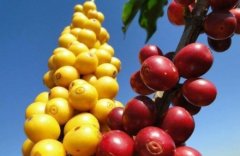
Coffee comes from the fruit of a Coffea plant, a shrub native to the tropical highlands around 6,000 feet above sea level. These evergreen plants grow up to 20 feet tall but are usually pruned to 8–10 feet for easier harvesting. It takes 3–5 years for a coffee tree to bear fruit. The plant first blooms with small, white, jasmine-like flowers. After the blossoms fall, deep green coffee cherries form, then turn yellow, red, and finally deep red when fully ripe. Inside each cherry are two seeds — the coffee beans we roast and brew.
How Are Coffee Cherries Harvested?
Coffee cherries don’t all ripen at once. To ensure only ripe fruit is picked, harvesters collect cherries by hand, one by one. This labor-intensive method is essential for quality — especially for specialty-grade beans where ripeness dramatically affects flavor.
Two Ways to Process Coffee: Natural vs Washed
Once picked, coffee cherries must be processed immediately. There are two primary methods, each impacting flavor, cost, and efficiency.
Natural (Dry) Process
In this traditional method, whole coffee cherries are spread out on concrete patios or raised beds and left to dry in the sun for about 12–15 days. The fruit dries around the seeds, and once moisture levels drop sufficiently, the dried husk is removed to reveal the green coffee bean inside. While low-cost and simple, the natural process is weather-dependent. Rain can cause uneven drying and unwanted fermentation, often leading to dirty or fermented off-flavors. The resulting beans tend to be less uniform and may have more defects, but when done well, natural processing yields rich, full-bodied coffees with bold fruit and fermented sweetness.

Washed (Wet) Process
The washed method is faster and more controlled. Within hours of picking, cherries are pulped to remove the outer skin, then the beans (still covered in sticky mucilage) are soaked in water. Enzymes break down the mucilage over 20–24 hours, after which the beans are washed clean. They are then dried on patios or beds until reaching ideal moisture levels. This method produces clean, bright, and consistent beans with high clarity and complex acidity. Washed coffee has fewer defective beans and requires less space than the natural method, but it demands more equipment, water, and investment. The result is a more refined cup, often with citrusy, floral, or malic notes and a cleaner finish.
From Fresh Bean to Export: Parchment and Polishing
After drying, whether by sun or machine, green coffee beans are still encased in a thin, paper-like layer called parchment. In this form, they are referred to as “Parchment Coffee.” Before export, this parchment is mechanically removed, revealing the raw green bean. The beans are then sorted by density and size, polished to remove any remaining silverskin, and graded. Only the best beans make it to specialty roasters around the world.
The Three Main Coffee Species
Not all coffee tastes the same — because not all coffee plants are the same. The commercial coffee supply is dominated by three species:
- Arabica : Originating in Ethiopia, Arabica makes up 70–80% of global production. It’s known for its nuanced flavors, higher acidity, and lower caffeine content. Most specialty coffee is Arabica.
- Robusta : Grown mainly in Africa’s Congo region, Robusta accounts for 20–30% of the world’s coffee. It’s much harsher, more bitter, and has nearly double the caffeine of Arabica. Its strong, harsh profile makes it common in instant coffee and espresso blends for added crema and bitterness.
- Liberica : This rare species, accounting for less than 5% of global production, hails from Liberia. Liberica beans are known for an intense, funky aroma and strong bitter flavors, often considered an acquired taste.
Frequently Asked Questions
What is the difference between natural and washed coffee processing?
Natural processing dries coffee cherries whole in the sun for 12–15 days with the fruit still on the bean, resulting in fuller body and fruity flavors but a higher risk of fermentation defects. Washed processing removes the fruit and mucilage within 20–24 hours using water, yielding cleaner, brighter, and more consistent flavors with fewer defects but requiring more resources and equipment.
How long does coffee processing take?
Natural (dry) processing takes approximately 12–15 days of sun drying, while washed (wet) processing takes just 20–24 hours from pulping to drying. Both methods require additional time for sorting, hulling, and exporting afterward.
Why are coffee cherries picked by hand?
Coffee cherries ripen at different rates on the same tree. Hand-picking ensures that only fully ripe cherries are harvested, which is critical for quality — especially in specialty coffee where ripeness greatly impacts flavor, sweetness, and acidity.
What is parchment coffee?
Parchment coffee refers to green coffee beans that are still covered with a thin, paper-like husk (called parchment) after drying. This protective layer is removed before export, leaving the clean green bean ready for roasting.
Which coffee species is best for specialty coffee?
Arabica is the dominant species for specialty coffee, making up 70–80% of global production. It offers greater complexity, higher acidity, and more delicate flavors compared to Robusta or Liberica, which are typically used for commercial or instant coffee.
Recommended FrontStreet Beans for Natural & Washed Processing
Explore how processing shapes flavor with FrontStreet’s Ethiopia Humbera, a natural-process lot with bright berry, floral, and tropical fruit notes, and their Yirgacheffe Red Cherry, a classic natural Ethiopian with intense fermentation sweetness and juicy acidity. For washed clarity, try the Brazil Queen Manor, offering clean caramel, nutty depth, and chocolatey smoothness. All are single-origin, expertly roasted, and showcase how processing defines your cup. Freshly roasted within 5 days · Orders placed before 17:00 ship the same day · Next-day delivery across most of Guangdong Province.
FrontStreet Coffee is a long-established specialty coffee roaster in Guangzhou China, selling freshly roasted beans from its own farm in Yunnan as well as dozens of carefully selected single-origin beans from around the world for both pour-over and espresso. The products deliver consistently excellent quality and great value, with shipping within 24 hours. Guangzhou's FrontStreet Coffee shop is recommended by many coffee lovers, and the beans are now available online at the Tmall 。
Important Notice :
前街咖啡 FrontStreet Coffee has moved to new addredd:
FrontStreet Coffee Address: 315,Donghua East Road,GuangZhou
Tel:020 38364473