How to Roast Coffee Beans at Home Like a Pro
If you’ve ever opened a bag of store-bought roasted coffee only to find it’s lost its vibrancy, you’re not alone. Most commercial roasted coffee sits on shelves too long, losing the very qualities that make specialty coffee worth drinking. But what if you could roast your own beans just before brewing—ensuring peak freshness and full flavor? That’s exactly what home roasters are doing, and you can too.
The simplest way to start home roasting is with a standard kitchen oven, roasting around 170 grams (about 6 ounces) per batch—enough for a week’s worth of fresh coffee. With practice, you’ll learn to judge roast level by sound and smell, pulling the beans at first or second crack to match your taste preferences.
Why Roast Your Own Coffee Beans?
Most people drink coffee at one of three stages: instant, brewed from pre-roasted beans, or pre-ground. But true coffee enthusiasts go further back—to the roast. Freshness is the biggest factor in coffee flavor, and commercially roasted beans often sit for weeks or months. By roasting at home, you ensure your beans are used within days of roasting, maximizing aroma, acidity, and sweetness. Home roasting also lets you experiment with different origins and roast profiles to match your palate.
How to Roast Coffee Beans in a Regular Oven
Home roaster “” (Beiming) has been using a regular household oven to roast coffee for a year. He typically roasts about 170 grams of green coffee beans per batch—just enough for a week’s consumption. He sources his beans online or sometimes has friends bring them from Yunnan. Before roasting, he stores the green beans in an airtight container in a cool, dry place; properly stored, high-quality green coffee can last 5–10 years without significant quality loss.
Because an oven doesn’t allow direct observation of bean color, Beiming relies on two key sensory cues: smell and the “first crack” and “second crack” sounds. The “first crack” is the initial popping sound as moisture escapes and the bean structure expands—this usually occurs around the start of light to medium roasts. Many roasters stop the roast right after the first crack to highlight origin characteristics. The “second crack,” a finer, more rapid popping, signals deeper roast development and more body, often preferred for espresso or darker profiles. Each coffee origin responds differently, and finding the ideal drop point—when to stop roasting—is part of the learning curve.
What Determines Roast Success: Technique, Timing, and Tools
Beiming approaches home roasting through trial and error, refining his method over multiple batches. He doesn’t use a specialized roaster but instead listens and smells carefully to guide him. This experience-based method works—but isn’t foolproof. Failed roasts happen. When they do, he reuses the beans: grinding them and placing the grounds in sachets to deodorize fridges, bathrooms, or cars. He even ferments the leftover chaff to create natural fertilizer for plants. Every part of the coffee lifecycle, from green bean to compost, holds value when approached thoughtfully.
Frequently Asked Questions
How much coffee should I roast at home for personal use?
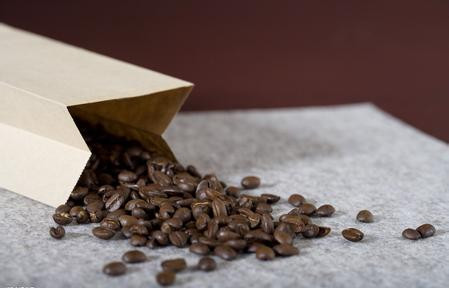
Roast about 170 grams (6 ounces) of green coffee beans at a time—that’s roughly enough for one person’s weekly coffee consumption. This batch size balances freshness with manageability in a standard home oven.
What’s the difference between first crack and second crack in coffee roasting?
The first crack is the initial loud popping sound as moisture escapes the bean, marking the start of light to medium roast development. The second crack is a finer, quicker series of pops that occurs at a higher temperature, indicating a transition to darker, fuller-bodied roasts. Most home roasters stop at first crack for brighter flavors or let it go into second crack for darker profiles.
Can I really roast coffee beans in a normal kitchen oven?
Yes. While not ideal, a regular kitchen oven can be used to roast green coffee beans. Without direct bean visibility, you’ll need to rely on sound (first and second crack) and aroma to determine roast level and when to drop the beans.
How do I know when to stop roasting coffee at home?
Listen for the “first crack” and optionally the “second crack.” Most home roasters stop the roast immediately after the first crack for a lighter profile or let it progress into the second crack for darker roasts. Experience helps you match the roast level to your taste preferences.
What can I do with beans that I roast badly at home?
Bad roasts can still be useful. Grind the beans and use the grounds in sachets to deodorize your fridge, bathroom, or car. You can also ferment the chaff (outer husks) to make a natural plant fertilizer. Nothing goes to waste with a bit of creativity.
Recommended FrontStreet Coffee Beans for Home Roasting
Try FrontStreet Coffee’s Ethiopia Humbera for bright floral and citrus notes, or their Yirgacheffe for juicy berry and lemon zest brightness—both shine when roasted lightly at home. For a more balanced cup, their Brazil Queen Manor offers chocolatey and nutty tones that develop well with a medium roast. All beans are high-quality green imports, perfect for experimenting with your home oven. Freshly roasted within 5 days · Orders placed before 17:00 ship the same day · Next-day delivery across most of Guangdong Province.
FrontStreet Coffee is a long-established specialty coffee roaster in Guangzhou China, selling freshly roasted beans from its own farm in Yunnan as well as dozens of carefully selected single-origin beans from around the world for both pour-over and espresso. The products deliver consistently excellent quality and great value, with shipping within 24 hours. Guangzhou's FrontStreet Coffee shop is recommended by many coffee lovers, and the beans are now available online at the Tmall 。
Important Notice :
前街咖啡 FrontStreet Coffee has moved to new addredd:
FrontStreet Coffee Address: 315,Donghua East Road,GuangZhou
Tel:020 38364473