
"roller"
589 article(s) found

Puerto Rico coffee producing area with pure flavor, aroma and heavy particles
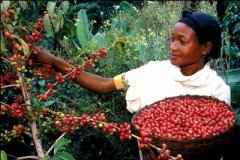
Some older varieties of Arabica coffee beans are grown, although they yield less than others, but are generally of good quality. The people here have been adopting an ecologically conservative, intensive farming method, using only low-toxicity fertilizers and chemicals, and adopting mixed crop cultivation measures to make the soil more fertile. When it's time to pick coffee beans, people walk back and forth between coffee trees.

Do you want CTC black tea brewed or boiled for the right time? The Origin Story of CTC Tea production process
Where did CTC tea get its name and how did it come from? Its name comes from the production process of extrusion, tearing and crimping. This is a process in which some cylindrical rollers are used to make a uniform cut tea particle. How does the tea taste? The characteristic of a good Assam CTC tea is that it will taste

Description of taste and flavor of Puerto Rico coffee by regional treatment
Yaocote's choice of coffee, which is grown only on three farms in the southwest of the island, is fragrant and has a long aftertaste. This kind of coffee is very expensive and its flavor is comparable to that of any other coffee variety in the world. In the Yauco area, the coffee is owned and operated by local planters. The mountain climate here is mild, and the plants have a long mature period (from October to February of the following year).
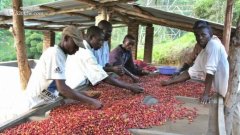
Coffee knowledge Coffee Origin Puerto Rico
In 1736, coffee trees were introduced from Martinique to Puertp Rico. Most of the early coffee was grown by immigrants from Corsica. By 1896, Puerto Rico was the sixth largest exporter of coffee in the world, with most coffee shipped to France, Italy, Spain and Cuba. Coffee farms flourished in the 19th century, but the rise of sugarcane and drug farming

Boutique Coffee Coffee from Puerto Rico
In 1736, coffee trees were introduced from Martinique to Puertp Rico. Most of the early coffee was grown by immigrants from Corsica. By 1896, Puerto Rico was the sixth largest exporter of coffee in the world, with most coffee shipped to France, Italy, Spain and Cuba. Coffee farms flourished in the 19th century, but the rise of sugarcane and drug farming

Intense taste of Indonesian Sumatra Lindong coffee estate production area Flavor taste characteristics Fine coffee medium
Roasting: Because coffee beans can only be kept fresh for 1 to 7 days after roasting, they will begin to taste, leaving only bitterness and no mellow taste. So, roasting yourself ensures the freshness of the coffee beans. Traditional roasters are roller type, which has the characteristics of stewing, which will make the coffee beans older and taste fuller. household roller type

More fertile soil in the south-central coffee producing area of Puerto Rico Larez Yaoke Coffee
Yaocote's choice of coffee, which is grown only on three farms in the southwest of the island, is fragrant and has a long aftertaste. This kind of coffee is very expensive and its flavor is comparable to that of any other coffee variety in the world. In the Yauco area, the coffee is owned and operated by local planters. The mountain climate here is mild, and the plants have a long mature period (from October to February of the following year).

Puerto Rican coffee boutique coffee
In 1736, coffee trees were introduced from Martinique to PuertpRico. Most of the early coffee was grown by immigrants from Corsica. By 1896, Puerto Rico was the sixth largest exporter of coffee in the world, with most coffee shipped to France, Italy, Spain and Cuba. Coffee farms flourished in the 19th century, but sugar cane and drug farming

Introduction of Larez Yaoke Coffee single Bean Flavor description Variety planting Development History production area treatment method
Exchange of professional baristas follow the coffee workshop (Wechat official account cafe_style) Puerto Rico coffee in 1736, coffee trees were introduced from Martinique to Puerto Rico (Puertp Rico). Most of the early coffee was grown by immigrants from Corsica. By 1896, Puerto Rico ranked sixth in coffee exports in the world, and most of the coffee was shipped to France.
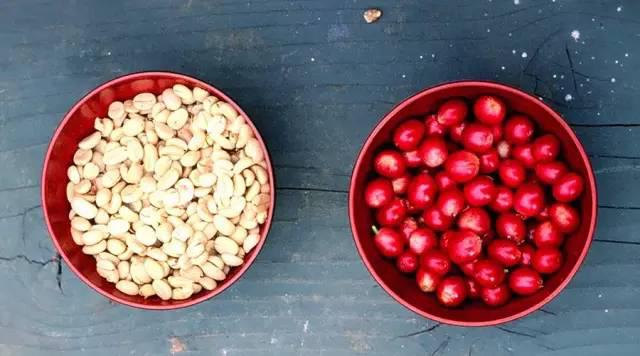
Classification and introduction of Refining methods of Coffee Raw beans
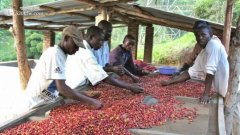
When drinking hand cups in a good cafe, the barista is sure to mention these proper terms when introducing beans. Whether washing in water or in the sun, in fact, it is the refined way of coffee beans (processing). What is refined way to review first, we usually say coffee beans are actually seeds; the fruit of coffee is called coffee cherry (Coffee Cherry).

Introduction to the flavor and taste of San Pedro Chateau San Pedro
Puerto Rican gourmet coffee has been exported to the United States, France and Japan. Coffee in this country is generally carefully cultivated, with pure taste, aroma and heavy granules, among which the best is among the world's famous brands. The best coffee is Yauco Selecto, which means Selecto. Grand Lares Yauco is produced in the southwest of the island, Larez.
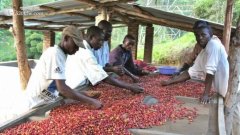
Boutique coffee beans knowledge coffee origin Puerto Rico
In 1736, coffee trees were introduced from Martinique to Puertp Rico. Most of the early coffee was grown by immigrants from Corsica. By 1896, Puerto Rico was the sixth largest exporter of coffee in the world, with most coffee shipped to France, Italy, Spain and Cuba. Coffee farms flourished in the 19th century, but the rise of sugarcane and drug farming

The Origin of Fine Coffee-- Puerto Rico Fine Coffee
In 1736, coffee trees were introduced from Martinique to Puertp Rico. Most of the early coffee was grown by immigrants from Corsica. By 1896, Puerto Rico was the sixth largest exporter of coffee in the world, with most coffee shipped to France, Italy, Spain and Cuba. Coffee farms flourished in the 19th century, but the rise of sugarcane and drug farming
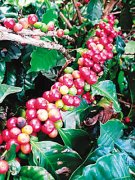
Yaocote chose a fascinating coffee with a full flavor and fruity flavor.
Puerto Rico has a low-wage system, with a per capita hourly wage of $4.20 in 1991. Still, manual workers earn more than workers in many other coffee-producing countries, as long as Hawaii and Jamaica are on a par. Another problem facing the Puerto Rican coffee industry is that in the Caribbean, Puerto Ricans have a relatively high cultural quality, so they are better.

Introduction to Puerto Rico Special Coffee
In 1736, coffee trees were introduced from Martinique to Puertp Rico. Most of the early coffee was grown by immigrants from Corsica. By 1896, Puerto Rico was the sixth largest exporter of coffee in the world, with most coffee shipped to France, Italy, Spain and Cuba. Coffee farms flourished in the 19th century, but the rise of sugarcane and drug farming
Puerto Rican Coffee Bean Fine Coffee Association
In 1736, coffee trees were introduced from Martinique to PuertpRico. Most of the early coffee was grown by immigrants from Corsica. By 1896, Puerto Rico was the sixth largest exporter of coffee in the world, with most coffee shipped to France, Italy, Spain and Cuba. Coffee farms flourished in the 19th century, but sugar cane and drug farming

Fragrant, granular coffee flavor description of San Pedro Manor, Puerto Rico, introduction to the degree of grinding
Puerto Rican gourmet coffee has been exported to the United States, France and Japan. Coffee in this country is generally carefully cultivated, with pure taste, aroma and heavy granules, among which the best is among the world's famous brands. The best coffee is Yauco Selecto, which means Selecto. Grand Lares Yauco is produced in the southwest of the island, Larez.
Basic knowledge of Puerto Rican boutique coffee beans from coffee origin
In 1736, coffee trees were introduced from Martinique to Puertp Rico. Most of the early coffee was grown by immigrants from Corsica. By 1896, Puerto Rico was the sixth largest exporter of coffee in the world, with most coffee shipped to France, Italy, Spain and Cuba. Coffee farms flourished in the 19th century, but the rise of sugarcane and drug farming
Coffee producing area Coffee introduction Puerto Rican Coffee
In 1736, coffee trees were introduced from Martinique to Puertp Rico. Most of the early coffee was grown by immigrants from Corsica. By 1896, Puerto Rico was the sixth largest exporter of coffee in the world, with most coffee shipped to France, Italy, Spain and Cuba. Coffee farms flourished in the 19th century, but the rise of sugarcane and drug farming

About the roasting of coffee
Roasting: this heat treatment causes significant chemical and physical changes in the structure and composition of raw coffee, causing the beans to darken and emit the characteristic aroma of roasted coffee.