
"theobromine"
286 article(s) found

A few "what is" in boutique coffee?
What is caffeine? Caffeine is a substance found in the leaves, roots and fruits of 100 plants in nature. it is also a mixture of methylxanthine. Caffeine usually comes from coffee, dimethoate and tea. Caffeine is also used in energy drinks and drugs to treat colds and flu. Coffee and tea also contain other dimethylxanthine theophylline. Tea
What are the eight "what" in coffee?
What is caffeine? Caffeine is a substance found in the leaves, roots and fruits of 100 plants in nature. it is also a mixture of methylxanthine. Caffeine usually comes from coffee, dimethoate and tea. Caffeine is also used in energy drinks and drugs to treat colds and flu. Coffee and tea also contain other dimethylxanthine theophylline. Tea
A brief introduction to caffeine, the active ingredient in coffee beans
Caffeine (Caffeine) is an alkaloid extracted from tea and coffee fruit. Moderate use of caffeine can dispel fatigue and excitatory nerves. Caffeine is used in clinical treatment of neurasthenia and coma resuscitation. However, large doses or long-term use will also cause damage to the human body, especially it is also addictive, once discontinued, there will be mental fatigue, fatigue and other withdrawal symptoms

Basic knowledge of boutique coffee what is caffeine?
What is caffeine? Caffeine is a substance found in the leaves, roots and fruits of 100 plants in nature. it is also a mixture of methylxanthine. Caffeine usually comes from coffee, dimethoate and tea. Caffeine is also used in energy drinks and drugs to treat colds and flu. Coffee and tea also contain other dimethylxanthine theophylline. Tea
Some basic knowledge of high-quality coffee
What is caffeine? Caffeine is a substance found in the leaves, roots and fruits of 100 plants in nature. it is also a mixture of methylxanthine. Caffeine usually comes from coffee, dimethoate and tea. Caffeine is also used in energy drinks and drugs to treat colds and flu. Coffee and tea also contain other dimethylxanthine theophylline. Tea
Fine Coffee Science explains in detail several "what is" in coffee?
What is caffeine? Caffeine is a substance found in the leaves, roots and fruits of 100 plants in nature. it is also a mixture of methylxanthine. Caffeine usually comes from coffee, dimethoate and tea. Caffeine is also used in energy drinks and drugs to treat colds and flu. Coffee and tea also contain other dimethylxanthine theophylline. Tea
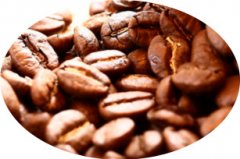
The basics of fine coffee do you know what caffeine is?
What is caffeine? Caffeine is a substance found in the leaves, roots and fruits of 100 plants in nature. it is also a mixture of methylxanthine. Caffeine usually comes from coffee, dimethoate and tea. Caffeine is also used in energy drinks and drugs to treat colds and flu. Coffee and tea also contain other dimethylxanthine theophylline. Tea
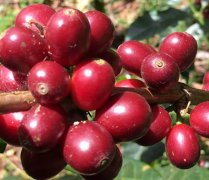
Composition analysis of coffee beans, details of food safety label
Professional barista communication please follow the coffee workshop (Wechat official account cafe_style) raw beans (unit: percentage) moisture: 11.3 fat: 11.7protein: 11.8sugar: 8.0essence: 17.1 caffeine: 1.3tannic acid: 6.0mineral: 4.2crude fiber: 28.6cooked bean moisture: 2.5fat: 13.2protein: 12.8sugar: 1.8essence
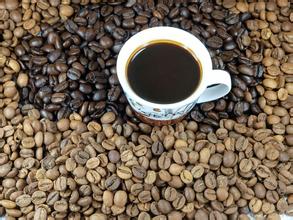
Variety Classification and Medicinal value of Coffee Tree
Variety classification Arabica bean coffee tree can be divided into two main varieties: Arabica species (Coffea Arabica) and Robusta species (Coffea Robusta/Coffea Canephora). There are also some minor species, such as the Liberian species (Coffea Liberica) and the Alabasta species (Coffea Arabusta), but they are rare on the market. Rob.

What are the "what" in the coffee?
What is caffeine? Caffeine is a substance found in the leaves, roots and fruits of 100 plants in nature. it is also a mixture of methylxanthine. Caffeine usually comes from coffee, dimethoate and tea. Caffeine is also used in energy drinks and drugs to treat colds and flu. Coffee and tea also contain other dimethylxanthine theophylline. Tea

Glossary of terms for the composition of coffee beans
Caffeine: caffeine is the most eye-catching of all the ingredients in coffee. It is a kind of phytoxanthin (animal muscle component). It has the same properties as theobromine contained in cocoa, green tea contains the same theophylline, and the percentage of reduction after baking is very small. Caffeine has a very wide range of effects. will affect the human brain, heart, blood vessels, gastrointestinal, muscle and kidney and other parts, the right amount of caffeine

Coffee bean grinding terminology special words for coffee bean grinding
Caffeine: caffeine is the most eye-catching of all the ingredients in coffee. It is a kind of phytoxanthin (animal muscle component). It has the same properties as theobromine contained in cocoa, green tea contains the same theophylline, and the percentage of reduction after baking is very small. Caffeine has a very wide range of effects. will affect the human brain, heart, blood vessels, gastrointestinal, muscle and kidney and other parts, the right amount of caffeine
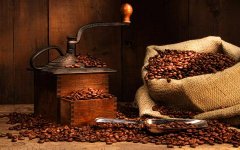
Special words for coffee bean grinding terminology for coffee bean grinding
Caffeine: caffeine is the most eye-catching of all the ingredients in coffee. It is a kind of phytoxanthin (animal muscle component). It has the same properties as theobromine contained in cocoa, green tea contains the same theophylline, and the percentage of reduction after baking is very small. Caffeine has a very wide range of effects. will affect the human brain, heart, blood vessels, gastrointestinal, muscle and kidney and other parts, the right amount of caffeine
Physiological effects of Coffee on Human body
1. Coffee can play an antioxidant role in the human body. Coffee is rich in caffeine, caffeic acid, chlorogenic acid and other ingredients, which can effectively eliminate free radicals in the body and repair aging cells and tissues of the body. 2. Coffee contains polyphenol compounds, which can protect cardiovascular system, reduce low density lipoprotein, dissolve blood clots and prevent thrombosis.
Can coffee and tea go together?
Coffee and tea are the mainstream drinks at present. In any country or region, coffee and tea can be seen. One is a representative drink of the West and the other represents Eastern culture. Can coffee and tea be drunk together?
Related Pharmacokinetics of Coffee
The phenomenon of death with caffeine is rare. The lethal dose of caffeine for adults is about 5-10g, and adverse reactions can occur when taking 1g, such as central nervous system and circulatory system symptoms. Early symptoms such as insomnia, restlessness and agitation develop into mild coma, vomiting, spasms, muscle tension and tremor, tachycardia and extrasystole (extrasysto1e). In addition,
Coffee! = constipation
Drink a cup of coffee on an empty stomach in the morning, which can promote intestinal peristalsis and is very effective in relieving constipation. Caffeine blocks intestinal relaxation signals and stimulates intestinal muscles to strengthen contraction. In other words, caffeine can directly promote intestinal peristalsis, regardless of whether the intestines are ready for excretion, thus creating a sense of defecation. But those who take constipation medicine for a long time, if they like coffee, they will

Dietary taboos hurt stomach food ranking contest (2)
6. Tomatoes are highly acidic, which may stimulate the stomach to produce more stomach acid. Therefore, eating too many tomatoes can lead to pantothenic acid, heartburn and other symptoms. The same is true of ketchup made from tomatoes. 7. People with lactose intolerance in dairy products will cause stomach discomfort after eating dairy products. You can choose yogurt, hard cheese, or milk with low lactose content. 8. Greasy food that is too high in fat
Patients with arrhythmia should not drink espresso
Tea contains theophylline and espresso contains caffeine, both of which excite the central nervous system.