Loss of billions! Kenya's customs system fails to block coffee exports
According to Kenyan media reports, due to a technical failure in the Integrated Customs Management system (iCMS) of the Kenya Inland Revenue Authority (KRA), which has not been resolved for five consecutive days, the operation of Kenya's largest port, Mombasa (Mombasa), has been seriously affected, resulting in billions of Kenyan shillings worth of coffee and tea unable to be exported and stranded in the port. In addition to coffee and tea, traders in other industries have also suffered losses due to the shutdown of the system.
It is reported that the Customs Management system (iCMS) is a new system implemented in Kenya in 2019, in order to replace the Simba system, which has been in use for 12 years, and added new functions such as automatic valuation benchmark assessment, automatic release of green channel goods, importer confirmation and declaration, and has become the only system for the submission of import and export documents. Therefore, when there is a system failure, it will seriously affect the import and export business of the port, and the Kenyan tax Authority currently calls on traders to suspend the submission of documents until the system is restored and apologize to the customer.
According to some local exporters, coffee and tea failed to be delivered in time at the port, some of the goods missed the scheduled transport, and system problems caused several ships to leave empty, resulting in huge losses, so they warned that if the system failure persisted, Kenya would face billions of Kenyan shillings in export losses. in addition, Kenya could be seen as an unreliable supplier, hindering the development of many industries in the country.
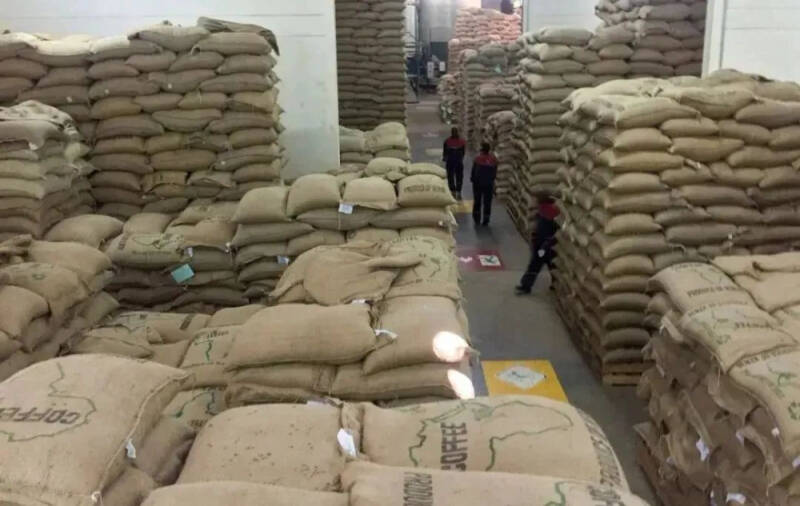
It is understood that this is not the first time this situation has happened. as early as April 2023, the Kenyan customs electronic portal encountered a failure, and the failure lasted for a week. Due to the inability to clear customs, a large number of goods were stranded in the port, yard, and airport. Mombasa Port is the most serious, causing importers and exporters nearly US $1 billion in losses.
In addition, the port of Mombasa is the largest port in East Africa, a distribution center for Kenyan import and export goods, and an important maritime gateway serving the central and eastern part of the African region. Business covers Tanzania, Uganda, Rwanda, Burundi, South Sudan, Ethiopia and many other countries and regions. Therefore, this incident not only affects Kenya's import and export business, but also affects the trade of other landlocked African countries.
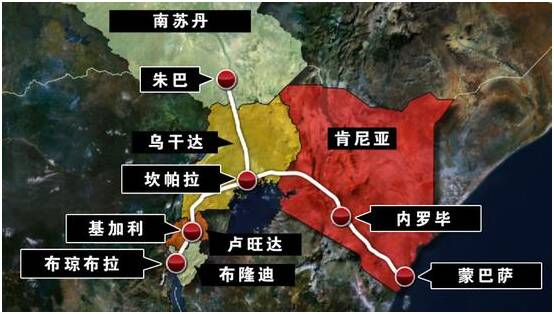
These East African countries mainly export coffee and other agricultural products, but at present, due to system failures, they are stranded in ports and unable to export, resulting in overstocking and increasing storage costs. In addition, the freshness and quality of agricultural products will be affected by , and agricultural products that are not easy to preserve may deteriorate due to long-term storage.
Before that, there had been many problems in the port of Mombasa. It was reported earlier that shipping companies and ships had no choice but to make a detour to southern Africa as a result of Houthi attacks on merchant ships in the Red Sea area. As a result, the number of ships and cargo handling in Kenyan and Tanzanian ports has also increased significantly.
However, there has been no corresponding increase in infrastructure at the ports of Kenya and Tanzania, resulting in the accumulation of cargo and the continued congestion of port ships, resulting in a decline in the efficiency of port operations. The current situation of system failure also aggravates the problem.
The latest coffee sold for $261 per bag (50 kilograms), up from the previous price of $251 per bag, setting a record for this year, according to the recent coffee auction center in Nairobi, Kenya. Kenyan coffee auction prices have risen, but international coffee futures prices have fallen recently, indicating strong demand for Kenyan high-quality coffee in the international market.
Although Kenya has reported an increase in coffee exports and export earnings since the beginning of this year, domestic producers still face problems such as rising prices and reduced acreage. The current export problems have also hindered the development of coffee and other industries. Port delays have caused heavy losses to traders and had a negative impact on the competitiveness of products such as Kenyan coffee.
For more information about coffee producing areas, please scan the code directly and follow: coffee comments.
Long press the QR code to follow:
TRANSLATE with
XEnglishArabicHebrewPolishBulgarianHindiPortugueseCatalanHmong DawRomanianChinese SimplifiedHungarianRussianChinese TraditionalIndonesianSlovakCzechItalianSlovenianDanishJapaneseSpanishDutchKlingonSwedishEnglishKoreanThaiEstonianLatvianTurkishFinnishLithuanianUkrainianFrenchMalayUrduGermanMalteseVietnameseGreekNorwegianWelshHaitian CreolePersian
TRANSLATE with
COPY THE URL BELOW
BackEMBED THE SNIPPET BELOW IN YOUR SITE Bing Webmaster PortalBack
FrontStreet Coffee is a long-established specialty coffee roaster in Guangzhou China, selling freshly roasted beans from its own farm in Yunnan as well as dozens of carefully selected single-origin beans from around the world for both pour-over and espresso. The products deliver consistently excellent quality and great value, with shipping within 24 hours. Guangzhou's FrontStreet Coffee shop is recommended by many coffee lovers, and the beans are now available online at the Tmall 。
Important Notice :
前街咖啡 FrontStreet Coffee has moved to new addredd:
FrontStreet Coffee Address: 315,Donghua East Road,GuangZhou
Tel:020 38364473