How Coffee Cuppers Score Coffee & What Makes Them Experts
Ever wondered how coffee judges taste hundreds of cups a day and still pick out subtle differences? Or how a single-origin pour-over gets turned into a score out of 100? We asked veteran cupper 'Old He' — who trained for a year and passed the elite SCAA Coffee Quality Institute exam — to break down exactly what specialty coffee tasting involves, from the daily grind of competition cupping to building your own mental 'flavor map'.
The short answer: Professional cuppers evaluate up to 600 cups daily across multiple temperature stages, score each coffee on over ten attributes (like acidity, sweetness, and balance), and train for months — even years — to recognize floral, fruity, and spicy notes just from smell. It’s sensory science meets coffee obsession.
Daily Coffee Cupping: Volume & Technique
During coffee competitions, judges like Old He taste 6–8 rounds of single-origin coffees per day. Each round includes 6–8 groups, and each group has 5 cups. Every single cup is tasted at least 5 times — yes, really. That adds up to hundreds of cups daily.
Why taste the same coffee five times? Temperature matters. Hot coffee highlights aroma, but cooler temperatures (around body temp or below) reveal more nuanced flaws like increased acidity or fading sweetness. By evaluating the same brew hot, warm, and cool, cuppers get a full picture of the coffee’s profile. This cycle of sniffing, slurping, thinking, and scoring repeats non-stop throughout the day.
How Judges Actually Score Coffee
The Specialty Coffee Association of America (SCAA) cupping system scores coffee out of 100, assessing over ten categories:
- Aroma
- Flavor
- Aftertaste
- Acidity
- Body (or ‘mouthfeel’)
- Balance
- Cleanliness
- Sweetness
- Uniformity
- Overall impression
A total score of 80+ means the coffee is officially ‘specialty grade.’ Scores in the 90s? Those are ‘outstanding’ coffees — rare, complex (often with 8–9 distinct flavor notes), and usually from limited-production regions. Some top lots, like certain Panamanian beans, can sell for over 1,000 RMB per kilo.
How to Train Like a Pro Cupper
Becoming a skilled coffee evaluator takes serious prep. Old He spent six months building his personal ‘flavor map’ before even attempting the exam. How? By smelling and memorizing dozens of reference scent bottles — floral, fruity, spicy, earthy — just like a perfumer. This helps cuppers identify tiny aromatic notes in coffee that most drinkers miss. Only after mastering these references and cupping protocols did he feel ready to take the test.
The Hardest Part: The SCAA Exam
The actual SCAA exam spans three intense days and includes 22 different tests. These cover basic cupping, triangle tests (where you pick the odd coffee out of three), and regional tastings (for example, comparing coffees from Central America, Asia, and East Africa). One tricky test: three cups are served, two from the same origin, one different. You have to correctly identify the odd one out — no easy feat when flavors are subtle. Examiners also expect your scores to line up closely with theirs, proving your palate matches professional standards.
Before the big test, candidates attend a six-day training course — but as Old He warns, that’s not nearly enough without prior sensory practice. Smell training, score calibration, and lots of cupping reps are essential.
How to Cup Coffee the Professional Way (Simplified for Home Baristas)
You don’t need to be a pro to improve your coffee tasting skills. Here’s how experts evaluate coffee, step by step:
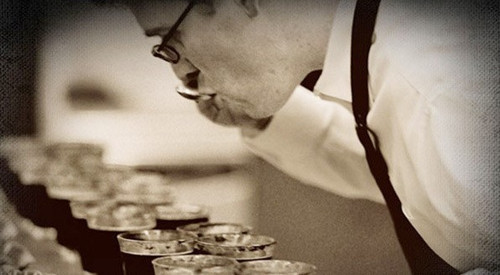
- Dry Aroma: Smell 8.25g of freshly ground coffee (in 3–5 cups) before brewing. This reveals freshness.
- Wet Aroma: Add 150ml of water at 93°C, let it steep for 3–5 minutes, then break the crust and deeply inhale. This is where fruit, spice, and flower notes often appear.
- Flavor & Taste: Use a silver spoon to slurp 6–8ml of coffee forcefully. Let it spread across your tongue — different zones detect sourness (tip), bitterness (back), sweetness (sides), etc.
- Steam: While tasting, also sniff the rising steam. It carries volatile aromatics you might miss just drinking.
- Aftertaste: Swish coffee around your mouth, then spit or swallow a bit. Breathe in through your nose to catch lingering notes like chocolate, pine, or caramel.
- Body/Mouthfeel: Glide your tongue along the roof of your mouth to assess texture — is it light and tea-like, or heavy and creamy? This reflects the coffee’s oil, protein, and fiber content.
Flavor Profiles of Famous Single-Origin Coffees
Different regions produce coffees with distinct characteristics:
- Colombia: Balanced, soft, and sweet with mild to medium acidity. Great for blends.
- Brazil: Mild, low-acid, and nutty — the classic ‘neutral’ base coffee.
- Italian-style: Bold, bitter, and strong with heavy crema. Often roasted dark.
- Blue Mountain (Jamaica): Grown above 2,500m, it’s smooth, sweet, mildly acidic, and delicate.
- Mandheling (Indonesia): Intense, full-bodied, and earthy — very low acidity, strong flavor without sharpness.
Frequently Asked Questions
How many cups do coffee judges taste in a day during competitions?
Judges typically taste 6–8 rounds per day, with 6–8 groups of 5 coffees in each round. Each coffee is evaluated at least 5 times at different temperatures. That means they sample hundreds of cups daily — often over 600.
What is the SCAA coffee scoring system?
The SCAA (Specialty Coffee Association of America) scores coffee on a 100-point scale across categories like aroma, flavor, aftertaste, acidity, body, balance, cleanliness, sweetness, uniformity, and overall impression. Scores of 80+ are ‘specialty grade,’ while 90+ are considered ‘outstanding.’
How do coffee tasters detect subtle flavors?
Experienced cuppers build a ‘flavor map’ by memorizing reference scents (fruity, floral, spicy, etc.) using bottled aromas. This helps them identify those same notes in brewed coffee, especially when tasting at different temperatures.
What’s the hardest part of the SCAA coffee cupper exam?
The exam includes 22 tests over three days, such as triangle cupping (identifying the odd coffee out), regional comparisons, and scoring accuracy against expert benchmarks. One tough test serves three similar cups — you must find the one that’s different.
How can I practice professional coffee cupping at home?
Start by evaluating dry aroma, then wet aroma after brewing at 93°C. Slurp coffee forcefully to spread it on your tongue, note flavors, then assess aftertaste by breathing in through your nose. Evaluate body with your tongue and check how the coffee changes as it cools.
FrontStreet Coffee Beans for Cupping & Tasting Practice
Try FrontStreet’s Ethiopia Yirgacheffe for bright floral and citrus notes, perfect for practicing acidity and aroma detection. Their Colombia Huila offers balanced sweetness and mild medium acidity — great for learning how origin affects body and flavor. For a deeper challenge, try PWN Golden Mandheling from Indonesia: it’s full-bodied, low-acid, and earthy, ideal for exploring mouthfeel and subtle spice notes. All three showcase classic single-origin profiles. Freshly roasted within 5 days · Orders placed before 17:00 ship the same day · Next-day delivery across most of Guangdong Province.
FrontStreet Coffee is a long-established specialty coffee roaster in Guangzhou China, selling freshly roasted beans from its own farm in Yunnan as well as dozens of carefully selected single-origin beans from around the world for both pour-over and espresso. The products deliver consistently excellent quality and great value, with shipping within 24 hours. Guangzhou's FrontStreet Coffee shop is recommended by many coffee lovers, and the beans are now available online at the Tmall 。
Important Notice :
前街咖啡 FrontStreet Coffee has moved to new addredd:
FrontStreet Coffee Address: 315,Donghua East Road,GuangZhou
Tel:020 38364473