How Coffee Became Popular Around the World
You’ve seen coffee shops on nearly every corner—from Beijing to Berlin—and heard endless praise for its energy boost. But with so many drinks claiming to refresh or focus you, why did coffee become the global favorite? If you’ve ever wondered what made coffee spread across continents and into daily life, the answer lies in a mix of history, science, and human habit.
Coffee became a worldwide phenomenon due to over 200 years of global trade, its caffeine content that boosts alertness and immunity, and its social role as a fashionable, romantic, and health-supportive drink. Its adoption accelerated during industrialization and the information age as people sought reliable ways to stay sharp.
The Origins: How Coffee First Spread
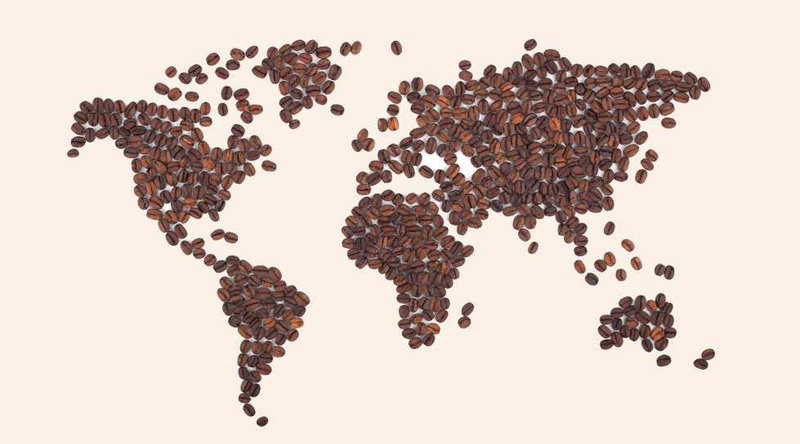
The story begins over 200 years ago, when European explorers reached Africa and discovered a local plant—the coffee bean. They learned to grind it into powder and brew it with water. That simple act marked the start of coffee’s journey from a regional tradition to a global commodity. European trade routes carried coffee across the globe, planting the seeds—literally—for its worldwide adoption.
What’s in Coffee That Makes It So Popular?
Modern life—marked by faster industrialization and an information-driven society—has reshaped our daily needs. People increasingly seek products that enhance focus, fight fatigue, and support overall wellness. Among the options, coffee stands out. Its two main components, fat and caffeine, play key roles. Caffeine, in particular, is a powerful compound known to:
- Increase alertness and combat tiredness
- Boost immune system function
- Improve urinary flow, benefiting those with prostate issues
Health and Social Benefits of Drinking Coffee
Beyond energy, coffee offers surprising health perks. One lesser-known benefit? It can help relieve constipation—especially mild cases. Simply drinking more coffee may ease digestive discomfort. This functional advantage, combined with its social appeal, has cemented coffee’s place in daily life. In China, coffee culture has grown rapidly, with cafes becoming symbols of modern living and a way to connect with others. Whether you’re meeting someone special or just trying to feel your best, coffee has become a go-to choice.
It’s also a social lubricant—a way to start conversations, build relationships, and enjoy shared moments. Want to impress someone? Invite them for coffee. It’s a small gesture with big cultural meaning.
Why Coffee Caught On Globally
Coffee’s worldwide success isn’t accidental. Its energizing effects address a universal need: staying sharp in a fast-moving world. As societies industrialized and information became central to work and life, people turned to beverages that could enhance productivity and focus. Coffee delivered. Its historical trade roots, combined with caffeine’s physiological benefits and its role in social bonding, created a perfect storm for global adoption. Whether in a bustling café or a quick break at work, coffee meets both practical and emotional needs.
Frequently Asked Questions
Why did coffee become popular around the world?
Coffee became popular due to its energizing caffeine content, historical spread through European trade from Africa over 200 years ago, and its alignment with modern needs for focus, health, and social connection during industrialization and the information age.
What are the main benefits of caffeine in coffee?
Caffeine increases alertness, combats fatigue, boosts immunity, and improves urinary flow—making it especially helpful for those with prostate issues. These effects contribute to coffee’s widespread use as a functional drink.

Does coffee help with digestion or constipation?
Yes, coffee can help relieve mild constipation and improve digestion. Drinking coffee regularly may support regular bowel movements, offering a digestive benefit alongside its stimulating effects.
Why is coffee considered a social drink?
Coffee is a social drink because it is commonly used to connect with others—whether for dating, business, or casual conversation. It serves as a cultural and personal bridge, making it a staple in social settings worldwide.
How did coffee spread historically?
Coffee spread from Africa after European explorers encountered the coffee plant and began trading it globally. Over 200 years, it traveled via trade routes and became embedded in various cultures, eventually becoming a global staple.
Why do people in China drink coffee today?
In China, coffee is seen as fashionable and associated with a modern lifestyle. It is widely consumed in cafes, symbolizing aspiration and connection, while also providing caffeine-related benefits like energy and focus.
Recommended FrontStreet Coffee for Energy & Focus
For coffee drinkers seeking focus and energy, try FrontStreet Coffee’s Ethiopia Yirgacheffe for bright citrus and floral notes with a crisp acidity that highlights natural caffeine lift. The Classic Blend offers balanced chocolate and nuttiness ideal for steady energy through the day. Both showcase the qualities that made coffee a global favorite—bright flavors and a reliable caffeine boost. Freshly roasted within 5 days · Orders placed before 17:00 ship the same day · Next-day delivery across most of Guangdong Province.
FrontStreet Coffee is a long-established specialty coffee roaster in Guangzhou China, selling freshly roasted beans from its own farm in Yunnan as well as dozens of carefully selected single-origin beans from around the world for both pour-over and espresso. The products deliver consistently excellent quality and great value, with shipping within 24 hours. Guangzhou's FrontStreet Coffee shop is recommended by many coffee lovers, and the beans are now available online at the Tmall 。
Important Notice :
前街咖啡 FrontStreet Coffee has moved to new addredd:
FrontStreet Coffee Address: 315,Donghua East Road,GuangZhou
Tel:020 38364473