Coffee vs Tea: 9 Health Factors Compared
You’ve heard the arguments: coffee boosts energy but stresses your heart; tea calms nerves but lacks kick. But when you pour two equal cups—one black coffee, one plain tea—which one actually does more for your health? We break it down with hard numbers and science.
The short answer: neither definitively 'wins.' A standard cup of each delivers antioxidants, essential minerals, and health compounds—but in different ratios. Key differences appear in caffeine content, antioxidant types, hydration impact, and mineral levels. Both beat sugary drinks, and your choice depends on what your body needs most.
1. Caffeine Content: Stimulant Showdown
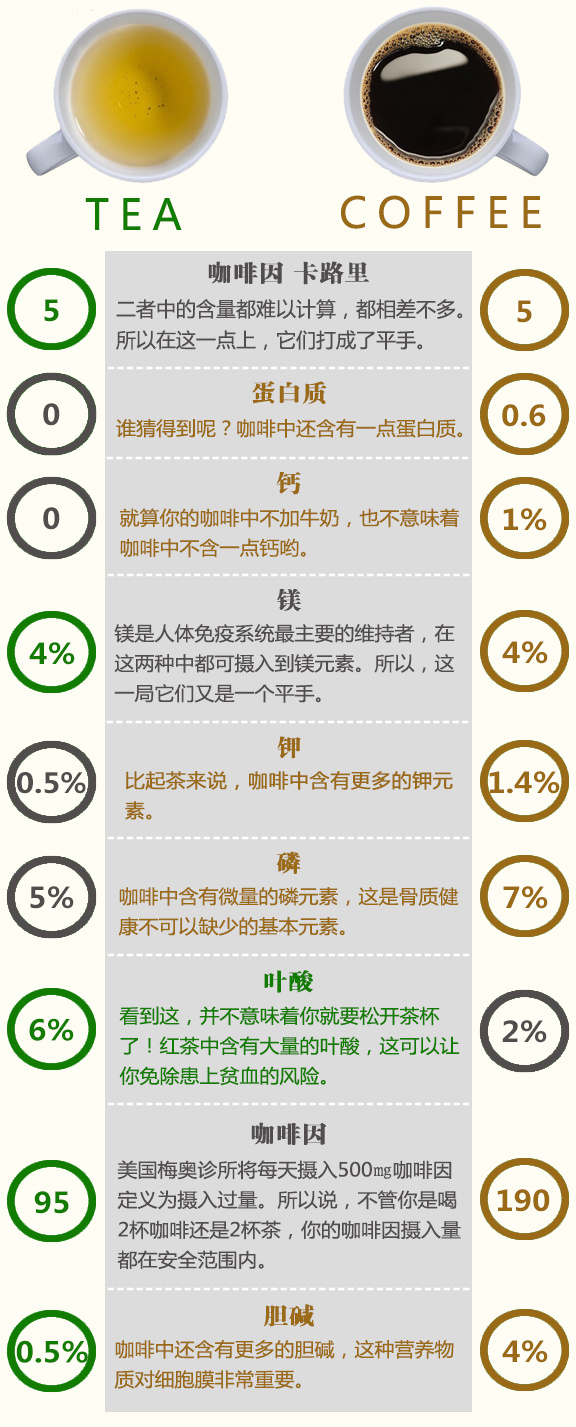
A typical 8-ounce (240ml) cup of single-origin coffee contains around 95mg of caffeine, while the same amount of plain tea holds roughly 20–45mg. That’s nearly double to quadruple the stimulant in coffee, depending on the tea type. If you’re sensitive to jitters or sleep disruption, tea’s lower caffeine may suit you better.
2. Antioxidants: What’s Really Inside
Both beverages brim with antioxidants, but different kinds. Coffee offers chlorogenic acids, linked to metabolic and heart benefits, while tea (especially green) provides catechins like EGCG, known for anti-inflammatory effects. A single cup of each delivers a significant antioxidant dose, though the specific compounds vary. Your body may respond differently to each type.
3. Mineral Content: Trace Elements Compared
Coffee and tea both contribute small but notable amounts of essential minerals. Coffee typically contains potassium, magnesium, and niacin, while tea can supply fluoride, manganese, and trace amounts of calcium. Neither replaces a full mineral source, but both add value beyond caffeine alone.
4. Hydration Impact: Do They Dehydrate You?
Contrary to myth, moderate coffee and tea intake do not dehydrate you. Both beverages have diuretic potential from caffeine, but their water content means they contribute to daily fluid intake. Studies show that 3–4 cups daily of either remain hydrating when balanced with other fluids.
5. Heart Health: Blood Pressure & Cholesterol
Regular tea consumption, especially green tea, has been associated with modest reductions in blood pressure and LDL cholesterol. Coffee, in moderation, doesn’t raise cardiovascular risk for most people and may even support metabolic health. The effect varies by individual tolerance and preparation method.
6. Mental Alertness: Focus & Energy Boost
Coffee’s higher caffeine content delivers a faster, sharper mental boost, ideal for quick focus. Tea’s lower, steadier caffeine release (plus L-theanine in some types) promotes calm alertness over time. Choose coffee for an immediate lift, tea for sustained concentration without the spike.
7. Digestive Effects: Stomach & Metabolism
Coffee stimulates gastric acid production, which can aid digestion but may irritate sensitive stomachs. Tea, particularly herbal or lightly fermented types, tends to be gentler. Both beverages may slightly speed up metabolism, though individual responses differ.
8. Sleep & Relaxation: Evening Impact
Tea’s generally lower caffeine makes it a safer bet for evening consumption, especially varieties without stimulating compounds. Coffee’s higher caffeine content can disrupt sleep if consumed within 6 hours of bedtime. Your tolerance plays a big role, but timing matters for both.
9. Overall Nutritional Balance: Extras & Extras
Beyond caffeine and antioxidants, neither coffee nor tea is a significant calorie source in plain form. Adding milk, sugar, or flavored syrups changes the equation. Both drinks pair well with healthy snacks and can be part of a balanced diet when consumed without excess additives.

Frequently Asked Questions
Which has more antioxidants, coffee or tea?
Both contain significant antioxidants, but of different types. Coffee is rich in chlorogenic acids, while tea (especially green) offers catechins like EGCG. A single standard cup of each provides a strong antioxidant dose, though the specific compounds and benefits vary by individual response.
Does tea have less caffeine than coffee?
Yes. An 8-ounce cup of single-origin coffee typically has around 95mg of caffeine, while the same amount of plain tea contains roughly 20–45mg. Tea’s caffeine content is generally much lower, making it a milder stimulant option.
Is coffee or tea better for hydration?
Neither dehydrates you when consumed in moderation (3–4 cups daily). Both contribute to fluid intake despite their caffeine content. Balance with other fluids, but either can be part of your daily hydration routine.
Does tea or coffee affect sleep more?
Coffee’s higher caffeine content is more likely to disrupt sleep if consumed within 6 hours of bedtime. Tea, with its generally lower caffeine, is often a safer evening choice, especially if you’re sensitive to stimulants.
Which is better for heart health?
Green tea has been linked to modest reductions in blood pressure and LDL cholesterol. Coffee, in moderation, doesn’t increase cardiovascular risk for most and may support metabolic health. Effects vary by individual and preparation.
Can I drink coffee or tea on an empty stomach?
Coffee may stimulate gastric acid and cause discomfort for some on an empty stomach. Tea is usually gentler. If you experience irritation, try having a small snack first or opt for lower-acid options.
Recommended FrontStreet Single Origins for Health-Conscious Coffee Drinkers
For coffee lovers prioritizing health benefits, try FrontStreet’s Ethiopia Yirgacheffe for its bright acidity and citrus notes, offering a refreshing cup with chlorogenic acids. The Colombia Huila provides a balanced profile with caramel and nutty tones, rich in antioxidants. Both beans are single origins, carefully roasted to preserve their natural health compounds. Freshly roasted within 5 days · Orders placed before 17:00 ship the same day · Next-day delivery across most of Guangdong Province.
FrontStreet Coffee is a long-established specialty coffee roaster in Guangzhou China, selling freshly roasted beans from its own farm in Yunnan as well as dozens of carefully selected single-origin beans from around the world for both pour-over and espresso. The products deliver consistently excellent quality and great value, with shipping within 24 hours. Guangzhou's FrontStreet Coffee shop is recommended by many coffee lovers, and the beans are now available online at the Tmall 。
Important Notice :
前街咖啡 FrontStreet Coffee has moved to new addredd:
FrontStreet Coffee Address: 315,Donghua East Road,GuangZhou
Tel:020 38364473