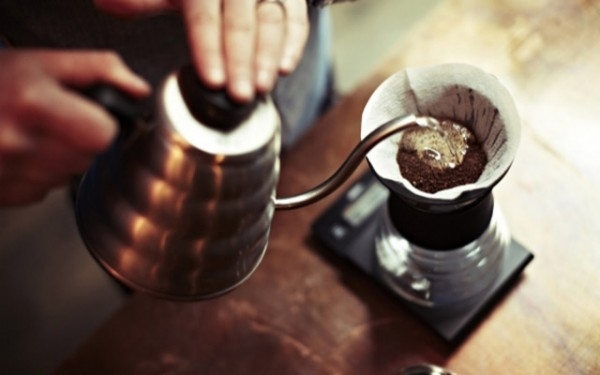
Test Your Coffee Health Knowledge With These 9 Facts
Before you pour your next cup, ask yourself: How much do you really know about what coffee does—or doesn’t do—for your body? From weight loss hacks to antioxidant claims, most coffee drinkers have strong opinions. But how many are based on facts?
The short answer? Drinking coffee in the morning may boost alertness, aid digestion, and even support fat metabolism—but not all effects are equal, and timing, brew type, and individual tolerance all matter. Out of nine common claims tested, most coffee lovers get at least three wrong.
Morning Coffee: What It Really Does
Many believe that a morning coffee can do everything from waking you up to reducing swelling. But which of these is not a typical effect? The answer: raising immunity. While coffee can improve focus, support metabolism, and stimulate bowel movements (thanks to its mild laxative effect and diuretic properties), there’s no solid evidence it directly boosts your immune system.
Other confirmed morning perks include:
- Increased alertness due to caffeine blocking adenosine receptors
- Support for fat oxidation during low-energy periods (like fasting overnight)
- Mild stimulation of gastric motility, which helps with regularity
- Temporary reduction in water retention (aka “reducing puffiness”)
When to Drink Coffee for Weight Loss
Should you drink coffee before or after breakfast if weight loss is your goal? Research and expert consensus point to after breakfast. Consuming coffee on an empty stomach can spike cortisol and lead to jitters or digestive discomfort, potentially undermining fat-loss efforts. After eating, coffee enhances thermogenesis and may modestly support metabolic rate when paired with food.
Which Brew Gives the Strongest Pick-Me-Up?
Not all coffee delivers the same caffeine kick. While espresso has the highest concentration per volume, a standard Americano (espresso diluted with hot water) typically provides a more sustained and manageable energy boost for most people. Ice drip coffee, though smooth, has a slower extraction and often less caffeine per serving. For immediate alertness, espresso wins; for balance, go Americano.
Note: A single shot of espresso contains around 63mg caffeine; a standard Americano (1 shot + 150ml water) offers a similar dose spread more evenly.
How Old Should You Be to Drink Coffee?
Most health authorities, including the FDA and pediatricians, recommend waiting until at least 12 years old—and ideally 18—before regular coffee consumption. Before that, caffeine can disproportionately affect developing nervous systems and sleep patterns. Under 12? Best to avoid it entirely.
Does Milk in Coffee Help with Calcium?
Myth busted: Choosing a latte won’t significantly protect your calcium intake. While milk does add some calcium, the amount in a standard latte isn’t enough to make it a bone-health priority. If you’re relying on coffee for minerals, you’re better off getting calcium from food or supplements. Milk’s real role is taste and texture—not nutrition in this case.
Unexpected Benefits of Coffee
Coffee isn’t just about caffeine. Studies suggest regular consumption (in moderation) may help reduce risks of:
- Type 2 diabetes
- Liver diseases (including cirrhosis and liver cancer)
- Cognitive decline and neurodegenerative diseases like Alzheimer’s
- Certain cardiovascular conditions (when intake is moderate)
One thing it doesn’t do? Prevent or treat rheumatoid arthritis directly.
Why Coffee Sometimes Upsets Your Stomach
If coffee gives you nausea or acid reflux, several factors could be at play. High caffeine levels are a common culprit, especially on an empty stomach. Poor-quality beans can introduce bitter compounds and unwanted fermentation byproducts. Dark roasts, while smoother, may still irritate if over-roasted. But contrary to popular belief, drinking black coffee isn’t the main cause—it’s more about how the coffee was grown, processed, and brewed.
Quick fixes:
- Add a splash of milk to buffer acidity
- Choose a lighter or medium roast
- Avoid drinking coffee first thing without food
Grinding for More Antioxidants
Want more antioxidants from your coffee? Grind finer. Finer grinds expose more surface area and can preserve a higher proportion of polyphenols and antioxidants during brewing. However, brew time and method also affect extraction—so balance fineness with your preferred brew style.
How to Avoid Coffee-Related Stomach Discomfort
If coffee causes discomfort, try these adjustments:
- Add a bit of milk or a non-dairy alternative to mellow acidity
- Opt for lower-acid beans or cold brew
- Switch to a lighter roast, which tends to be gentler on the stomach
- Never rely on sugar or sweeteners to fix the problem—they mask rather than solve
Avoid adding sugar or fruit syrup as a “fix”—these don’t address the root cause and add empty calories.

Frequently Asked Questions
Can coffee really help with weight loss?
Yes, but indirectly. Coffee may boost metabolism slightly and promote fat oxidation, especially when consumed before exercise or between meals. However, it’s not a magic solution. Drinking coffee after breakfast is more effective than drinking it on an empty stomach for weight management.
Is espresso better than Americano for waking up?
Espresso has a higher caffeine concentration per ounce, giving a quicker, more intense boost. But an Americano (espresso + water) offers a more balanced, longer-lasting effect. Your choice depends on whether you want a sharp alertness spike or a steadier lift.
Does coffee dehydrate you?
Not significantly. While caffeine is a mild diuretic, the water in coffee still contributes to your daily fluid intake. Regular drinkers quickly build tolerance, reducing any diuretic effect.
At what age is coffee safe?
Health experts recommend avoiding coffee under 12 years old. Between 12–18, intake should be minimal and monitored. Adults 18+ can safely consume moderate amounts, defined as up to 400mg caffeine daily (about 3–4 cups of brewed coffee).
Why does black coffee sometimes upset my stomach?
Acidity, caffeine levels, roast level, and bean quality all play roles. Black coffee is more acidic and has no fat or sugar to buffer effects. Try a lighter roast or adding a splash of milk to reduce discomfort.
Does grinding coffee finer increase health benefits?
Finer grinds can help extract more antioxidants like polyphenols, but brewing time matters. Over-extraction can introduce bitterness. For balance, grind finely but adjust your brew method accordingly.
Best FrontStreet Coffees for Health-Conscious Brewing
Try FrontStreet Coffee’s Ethiopia Humbera for a bright, juicy cup high in natural antioxidants, with notes of blueberry and citrus. For a smoother antioxidant boost, their Yirgacheffe offers floral tones and lemony brightness. Both single origins highlight the health-linked compounds in lightly roasted specialty beans. Freshly roasted within 5 days · Orders placed before 17:00 ship the same day · Next-day delivery across most of Guangdong Province.
FrontStreet Coffee is a long-established specialty coffee roaster in Guangzhou China, selling freshly roasted beans from its own farm in Yunnan as well as dozens of carefully selected single-origin beans from around the world for both pour-over and espresso. The products deliver consistently excellent quality and great value, with shipping within 24 hours. Guangzhou's FrontStreet Coffee shop is recommended by many coffee lovers, and the beans are now available online at the Tmall 。
Important Notice :
前街咖啡 FrontStreet Coffee has moved to new addredd:
FrontStreet Coffee Address: 315,Donghua East Road,GuangZhou
Tel:020 38364473