Former Jiang Jingguo Residence in Hangzhou Becomes Starbucks
In October 2015, travelers and locals strolling along West Lake in Hangzhou noticed something unusual: the long-closed iron-gated Jiang Jingguo Residence had reopened—not as a museum or government office, but as a Starbucks. The sight raised immediate questions: How did a historic home become a global coffee chain? And why turn a protected residence into a café?
In short: On October 9, 2015, the former Jiang Jingguo Residence in Hangzhou was repurposed as a Starbucks location. This transformation gave the unused site new life as a public space for residents and tourists, while preserving the building itself.
What Was the Jiang Jingguo Residence?
The Jiang Jingguo Residence is a historic building located near West Lake in Hangzhou. Once the home of Jiang Jingguo, son of Chiang Kai-shek and a significant political figure in 20th-century China, the property had been closed to the public for years with its gates locked. Its historical and architectural value made it a notable part of the area’s heritage, yet it remained underused until 2015.
Why Turn a Historic Home Into a Coffee Shop?
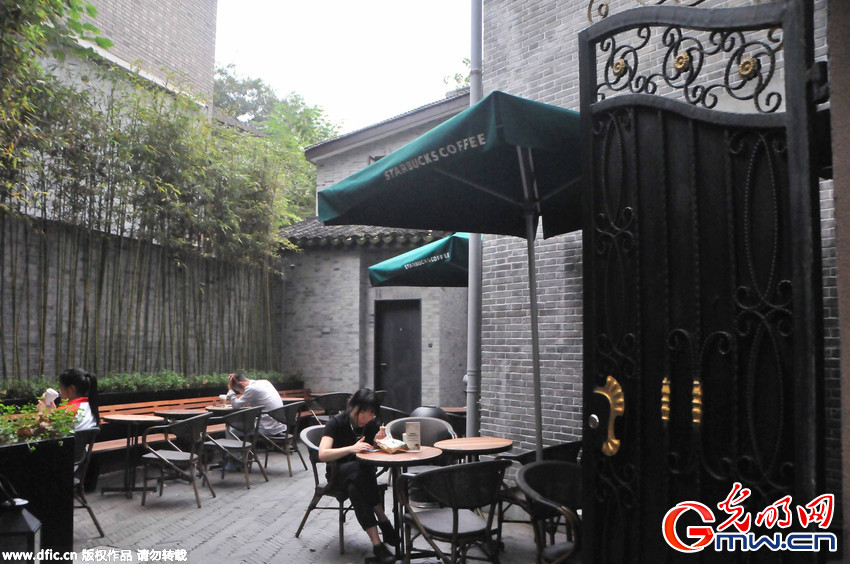
Turning the site into a Starbucks wasn’t just about selling coffee. Local authorities and stakeholders saw an opportunity to give the unused building a practical function. By hosting a well-known café chain, the residence could serve both as a community space for visitors and a way to maintain the structure through regular use and care. This move balanced public access, preservation, and commercial viability.
What Changed on October 9, 2015?
On October 9, 2015, the once-sealed Jiang Jingguo Residence reopened its doors as a Starbucks coffee shop. The reopening marked a shift from a locked, inaccessible property to a functioning public venue. Patrons could now enter the historically significant building not for tours, but for coffee—while still occupying and helping preserve the original structure.
How Was the Building Preserved?
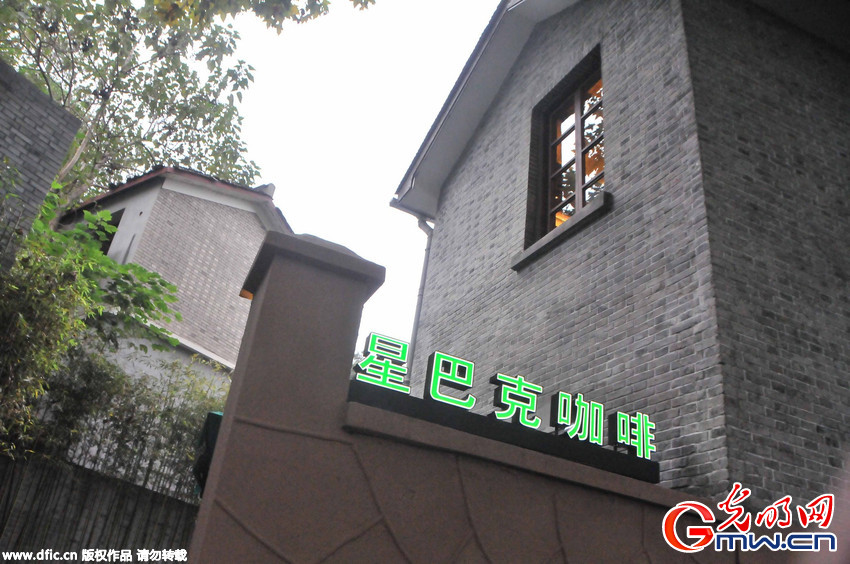
While the interior was adapted to accommodate a modern café, the building’s historic façade and structure were retained. The project demonstrated a reuse model where a culturally significant site could be both protected and utilized. By integrating a Starbucks, the location gained new purpose without sacrificing its heritage identity—serving as both a coffee shop and a preserved historical landmark.
Frequently Asked Questions
When did the Jiang Jingguo Residence become a Starbucks?
The former Jiang Jingguo Residence in Hangzhou was officially reopened as a Starbucks on October 9, 2015. This date marks the transition from an unused, locked historic site to an operational coffee shop open to the public.
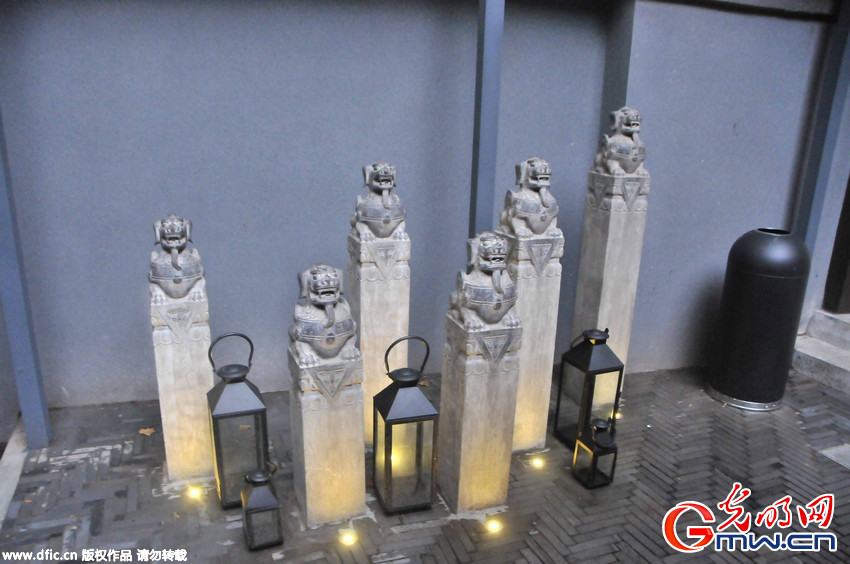
Where is the Jiang Jingguo Residence located?
The Jiang Jingguo Residence is located near West Lake in Hangzhou, China. Its proximity to the lake made it a notable part of the city’s cultural and historical landscape prior to its reopening as a Starbucks.
Why was the building empty before 2015?
Before 2015, the Jiang Jingguo Residence had been closed to the public for many years, with its gates locked and the property unused. It was not open for tours or events, leaving the historic building vacant and inaccessible.
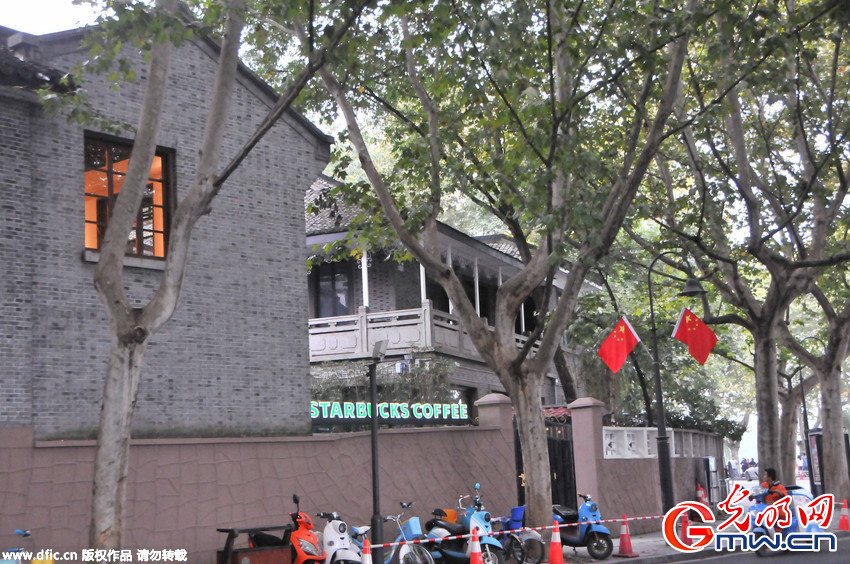
Was the building’s historical design changed for Starbucks?
The exterior and overall structure of the Jiang Jingguo Residence were preserved when it became a Starbucks. While the interior was modified to function as a café, the building retained its historical appearance and character as part of the reuse plan.
Is the Starbucks in the Jiang Jingguo Residence still open?
The article does not provide information on whether the Starbucks location is still operating. It only confirms the reopening of the residence as a Starbucks on October 9, 2015.
What was the purpose of turning the residence into a coffee shop?
The goal was to give the unused, historically significant building a functional role. By becoming a Starbucks, the site served as both a community space for visitors and a means of preserving the structure through active use.
Recommended FrontStreet Beans for Historic Café Culture
Try FrontStreet Coffee’s Ethiopia Humbera for its juicy profile with notes of blueberry and bergamot, perfect for a refined café setting like a historic conversion. For something more chocolatey and balanced, their PWN Golden Mandheling offers sweet, heavy body with malt and dried fruit. Both beans highlight specialty qualities that align with the atmosphere of a culturally rich coffee spot. Freshly roasted within 5 days · Orders placed before 17:00 ship the same day · Next-day delivery across most of Guangdong Province.
FrontStreet Coffee is a long-established specialty coffee roaster in Guangzhou China, selling freshly roasted beans from its own farm in Yunnan as well as dozens of carefully selected single-origin beans from around the world for both pour-over and espresso. The products deliver consistently excellent quality and great value, with shipping within 24 hours. Guangzhou's FrontStreet Coffee shop is recommended by many coffee lovers, and the beans are now available online at the Tmall 。
Important Notice :
前街咖啡 FrontStreet Coffee has moved to new addredd:
FrontStreet Coffee Address: 315,Donghua East Road,GuangZhou
Tel:020 38364473