Why Do Some Coffee Drinkers Stay Healthier?
Millions of people around the world start their day with coffee, yet many wonder: if coffee is so widely consumed, why do some drinkers seem to enjoy better health while others face warnings? The answer isn’t just about the coffee—it’s about how, when, and why you drink it.
Research has found no solid evidence that moderate coffee consumption harms your health. In fact, studies suggest three cups a day may lower risks for certain conditions. But for some groups, coffee can pose real dangers—depending on health status, caffeine sensitivity, and timing.
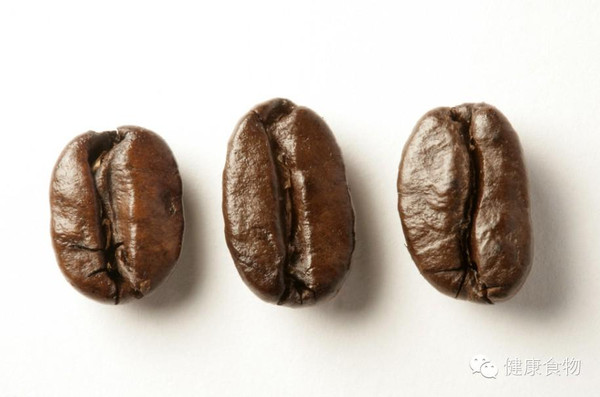
What Exactly Is Coffee?
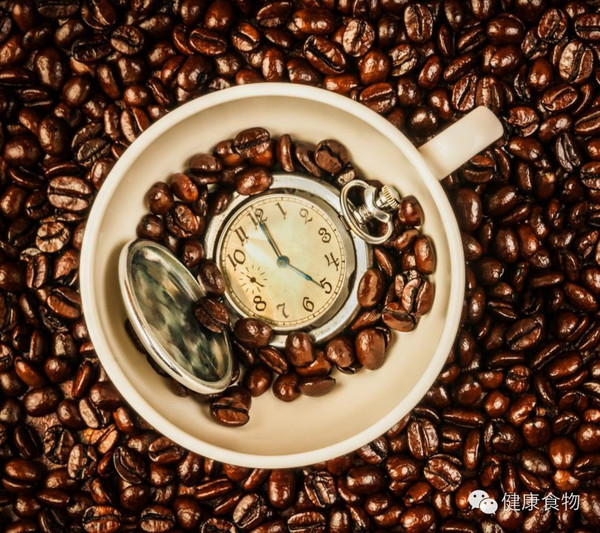
Coffee comes from the roasted seeds (beans) of the Coffea plant, a small evergreen shrub in the Rubiaceae family. These beans are brewed using various methods, resulting in the bitter, stimulating drink known globally alongside tea and cocoa. The flavor and effects come from compounds like caffeine, polyphenols, and acids developed during roasting.

Who Should Avoid Coffee—or Be Cautious?

Certain individuals should limit or avoid coffee due to potential health risks:

- People with hypertension, heart disease, or arterial issues: Caffeine may raise blood pressure, especially under stress.
- Older women, particularly postmenopausal: Coffee can reduce calcium absorption, increasing osteoporosis risk.
- Those with stomach or gastric conditions: Excess coffee can worsen symptoms.
- Pregnant individuals: High intake may raise risks of miscarriage or birth defects; most guidelines suggest avoiding more than 1–2 cups (6–8 oz each) daily, but caution advises abstaining.
- People deficient in vitamin B1: Coffee breaks down this nerve-supporting nutrient.
- Cancer patients and children: Evidence suggests heightened risks or negative neurological impacts.

Key Coffee Drinking Risks and Interactions

Beyond individual health concerns, several common habits can turn coffee from a boost into a risk:

- Drinking on an empty stomach: Stimulates excess stomach acid, irritating the digestive tract.
- Combining with tea: Both contain tannins that block iron absorption by up to 75% and reduce calcium uptake.
- Consuming while pregnant: Caffeine crosses the placenta; overconsumption is linked to higher miscarriage rates. Most doctors okay 1–2 cups daily, but advise avoiding it if possible.
- Giving to children: Caffeine affects developing brains, potentially causing hyperactivity and memory issues.
- Mixing with medications: Avoid taking coffee with ibuprofen—it can intensify stomach lining irritation.
- Smoking after coffee: Certain compounds in coffee and tobacco may form carcinogens when combined.

Health Benefits of Moderate Coffee Consumption

When consumed wisely, coffee offers several evidence-backed benefits:

- Nutritional value: Contains B vitamins (especially niacin), fatty acids, caffeine, and polyphenols.
- Digestive and metabolic aid: Promotes digestion, can help relieve constipation, and supports metabolism (though adding sugar and cream negates weight-loss effects).
- Liver and gallbladder support: Drinking 2–3 cups daily may reduce cholesterol-based gallstone formation by up to 40% (Harvard research).
- Radiation protection: Animal studies suggest coffee compounds may help defend against electromagnetic or device-related radiation exposure.
- Antioxidant and cardiovascular effects: Offers anti-inflammatory, heart-supporting, and cellular-protective properties.
- Mental performance: Around 300 mg of caffeine (roughly 3 cups brewed) improves alertness, mood, and focus.
- Sleep impact: Caffeine blocks adenosine receptors, delaying sleepiness—but effects vary by metabolism. Drinking coffee late in the day often leads to insomnia.
- Calcium loss: Some studies link caffeine to increased calcium excretion, so pair coffee with calcium-rich foods like cheese or yogurt.
- Skin and beauty myths: No proof connects coffee to skin aging or melanin changes, though caffeine may support circulation.

Popular Coffee Types and Roast Profiles

The article also outlines various traditional coffee styles and their flavor profiles:

- Blue Mountain: Balanced acidity and sweetness, medium roast.
- Cuban Crystal Mountain (Cubita): Comparable to Jamaican Blue Mountain, “unique Caribbean flavor.”
- Colombia Supremo: Distinctive aroma, sweet-bitter taste.
- Brazil Santos: Mild, neutral flavor, ideal for blending.
- Guatemala Huehuetenango: Bright acidity, smooth body, suited for dark roasts.
- Mandheling (Mandailing): Full body, pleasant acidity, best dark roasted.
- Viennese Ice Coffee: Cold brew with vanilla ice cream and whipped cream.
- Mocha: Medium or dark roast, sometimes used in cocktails.
- Iced Latte (layered style): Uses simple syrup and milk to create visual coffee-milk layers over ice.

Each style reflects different roast levels, brewing intents, and cultural origins—all affecting flavor, body, and how the coffee interacts with your system.
Frequently Asked Questions
Can coffee really improve health if consumed in moderation?
Yes. Studies have not found definitive proof that moderate coffee drinking (around 3 cups per day) harms health. Some research even shows benefits, such as a reduced risk of gallstones and improved metabolic rates. However, effects vary based on the individual’s health conditions and tolerance.
Is it true that coffee causes calcium loss or osteoporosis?
Some studies suggest coffee increases calcium excretion, but there’s no direct proof it causes osteoporosis. To mitigate risk, especially for older women, pair coffee with high-calcium foods like cheese or yogurt.
Can I drink coffee while pregnant?
Most doctors say 1–2 cups (6–8 oz each) per day is unlikely to harm the fetus, but advise caution. High caffeine intake is linked to increased miscarriage risk, so many recommend avoiding it or switching to decaf.
Does coffee really interfere with sleep?
Yes. Caffeine blocks adenosine, a chemical that promotes sleepiness. Drinking coffee late in the day can delay sleep onset or reduce sleep quality, though individual metabolism affects sensitivity.
Are there any medications that interact badly with coffee?
Yes. For example, ibuprofen (an anti-inflammatory pain reliever) can irritate the stomach lining, and coffee’s caffeine may worsen that effect. Avoid taking them together.
Recommended FrontStreet Coffee Beans for Health-Conscious Drinkers
For those seeking coffee that supports well-being without compromising flavor, try FrontStreet Coffee’s Ethiopia Humbera—a bright, juicy Ethiopian offering with floral and citrus notes that highlights coffee’s natural antioxidants. Pair it with PWN Golden Mandheling for a heavier body and earthy sweetness, ideal for slower, mindful sipping. Both are expertly roasted to preserve their health-promoting polyphenols. Freshly roasted within 5 days · Orders placed before 17:00 ship the same day · Next-day delivery across most of Guangdong Province.
FrontStreet Coffee is a long-established specialty coffee roaster in Guangzhou China, selling freshly roasted beans from its own farm in Yunnan as well as dozens of carefully selected single-origin beans from around the world for both pour-over and espresso. The products deliver consistently excellent quality and great value, with shipping within 24 hours. Guangzhou's FrontStreet Coffee shop is recommended by many coffee lovers, and the beans are now available online at the Tmall 。
Important Notice :
前街咖啡 FrontStreet Coffee has moved to new addredd:
FrontStreet Coffee Address: 315,Donghua East Road,GuangZhou
Tel:020 38364473