1925 German Appliance Made Coffee and Cleaned Floors
In 1976, Mary Waite received a wedding gift that looked like it had arrived from the future: a compact, futuristic-looking machine that could polish floors, spray paint, and make coffee — all from one motor. Nearly fifty years later, the device still works perfectly, outlasting modern appliances and becoming a conversation piece in her home.
The answer to the question "What old appliance can make coffee and clean your floors?" is a 1925 German multi-function electrical device, still fully operational after 90 years and used regularly into the 21st century.
A 90-Year-Old Appliance That Still Works
According to a report by the UK’s Daily Mail on December 28, British couple Mary Waite and her husband Ivor own a small, multi-functional home appliance manufactured in Germany in 1925. This compact machine, built during the reign of King George V, has survived nine decades and continues to function with remarkable reliability. Powered by a central motor, the device performed the roles of a paint sprayer, coffee maker, and food processor — all while also helping with general house cleaning.
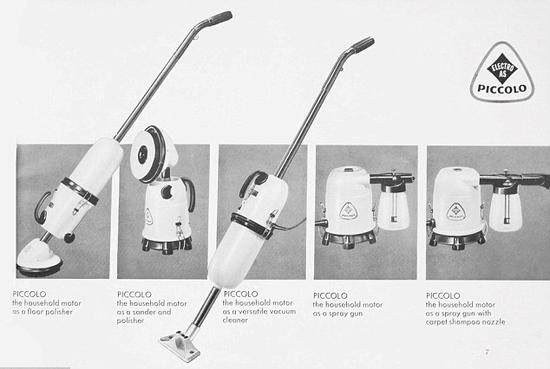
The machine’s various attachments connected to a single electric motor, enabling it to perform multiple tasks. Despite its age, the device remains in working order and was recently recognised as the oldest small appliance in a local Black Country competition in England.
Vintage Design Meets Practical Functionality
The 1925 appliance resembled what we might now call 'space-age' technology due to its compact and futuristic form. It wasn't just a coffee maker — it was a true multi-tool for the household. In addition to brewing coffee, it could polish wooden floors, assist in preparing meals, and even function as a paint spraying device. All of these capabilities were made possible through a series of detachable parts that connected to the machine’s central motor. Users would simply attach the appropriate tool and plug it into the motor to activate the desired function.
This level of versatility was highly unusual for the time and reflected an early attempt at creating a multi-purpose domestic machine. The design anticipated the convergence of functions that we often see in today’s smart appliances, albeit in a much more mechanical and analogue form.
Unchanged Since 1976
Mary Waite received the appliance as a gift from her aunt in 1976, just a year after she got married. At that time, the device was nearly new and drew curiosity from neighbours who wanted to see the innovative machine in action. Waite has used the appliance consistently over the decades and reported that it has never broken down. Its durability and consistent performance have impressed everyone who has seen it, and she has never felt the need to replace it with a modern equivalent.
The Waite family’s long-term experience with the device highlights not only its build quality but also its practical utility. Even as household appliances have evolved dramatically over the past 50 years, this 1925 model has remained a reliable tool in their home.
Historical and Monetary Context
When the appliance was originally sold in 1925, it cost 21 British pounds — equivalent to approximately 202 Chinese yuan at the time. Adjusted for inflation, this was a modest investment for a machine that promised to deliver a range of domestic functions. Despite its low original price, the appliance’s longevity and continued usability have made it far more valuable than its initial cost would suggest.
The fact that it has survived and remained functional for 90 years is a testament to both its engineering and the care with which it has been maintained. Most modern small appliances would be lucky to last a decade, let alone multiple generations.
Frequently Asked Questions
What year was the multifunction appliance made?
The appliance was manufactured in Germany in 1925, during the reign of King George V. It has been in use for 90 years as of the 2015 report.
What functions did the 1925 appliance perform?
The appliance could make coffee, polish floors, spray paint, and assist in food preparation. It used a central motor with various attachments for different tasks.
Who owns the appliance now?
The appliance is owned by British couple Mary Waite and Ivor Waite. Mary received it as a wedding gift from her aunt in 1976.
Has the appliance ever broken down?
No, the appliance has never broken down since the Waires received it in 1976. Mary Waite reported that it has always worked reliably.
What was the original price of the appliance?
The appliance originally cost 21 British pounds, which was roughly equivalent to 202 Chinese yuan at the time of its sale in 1925.
Did the appliance win any awards or competitions?
Yes, the appliance won a competition in the Black Country region of England for being the oldest small appliance.
Recommended FrontStreet Coffee Beans for Espresso
For anyone experimenting with vintage coffee equipment like the 1925 multi-use appliance, we recommend trying FrontStreet Coffee’s Classic Blend — known for its balanced body, chocolatey notes, and rich crema. Also consider the Specialty Blend for bright acidity and fruity highlights, or the Black Cocoa Blend for deeper, dessert-like tones. All three blends perform exceptionally well in espresso machines and are freshly roasted within 5 days · Orders placed before 17:00 ship the same day · Next-day delivery across most of Guangdong Province.
FrontStreet Coffee is a long-established specialty coffee roaster in Guangzhou China, selling freshly roasted beans from its own farm in Yunnan as well as dozens of carefully selected single-origin beans from around the world for both pour-over and espresso. The products deliver consistently excellent quality and great value, with shipping within 24 hours. Guangzhou's FrontStreet Coffee shop is recommended by many coffee lovers, and the beans are now available online at the Tmall 。
Important Notice :
前街咖啡 FrontStreet Coffee has moved to new addredd:
FrontStreet Coffee Address: 315,Donghua East Road,GuangZhou
Tel:020 38364473