How to Make Culturally Rich Coffee Truly Meaningful
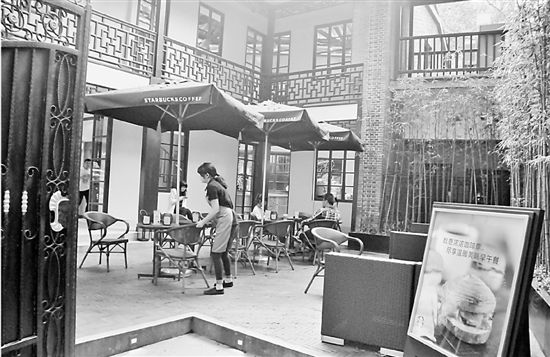
Last December, two global chains—Starbucks and McDonald’s—opened outlets inside the former residence of Chiang Ching-kuo, a protected municipal heritage site in Hangzhou. This building sits right across from the city’s most visited scenic spot, Broken Bridge by West Lake. The location is iconic: a century-old structure with strong Republican-era charm, once home to cultural and historical figures. The initial pitch to the public? Step into a piece of history, and enjoy a cup of 'cultured coffee.' But the reality fell far short.
The short answer? To make 'cultured coffee' truly resonate, you need more than just old walls and vintage photos. Authentic cultural storytelling matters—but in this case, history was reduced to a few wall plaques and framed pictures. That’s not enough.
A Promised Cultural Experience That Never Materialized
When these commercial projects were announced, the marketing emphasized the unique backdrop: a historic building where figures such as writer Huang Yuan and mathematician Chen Jiangong once lived. It was even tied to the creation of the famed Kunqu opera Fifteen Strings of Cash. The pitch was simple and appealing: enjoy premium coffee in a space filled with stories. But once the stores opened, the 'culture' amounted to little more than a handful of informational signs in the courtyard and some old photos on the wall. Visitors quickly noticed the difference between the promised immersive experience and the actual, minimal nod to history.
Fast Food in a Forbidden Space
Things got worse. The project was originally approved under the name 'McCafé,' with clear limitations: only coffee drinks, and no full-scale food service. Yet when the doors opened, customers found a full McDonald’s restaurant, complete with burgers and fries. Even more damaging, kitchen equipment was installed inside the protected structure, and the building’s main lounge—boasting prime views of West Lake—was closed off as a restricted kitchen prep area. This was a clear violation of the 'no food service' clause and raised serious concerns about long-term damage to the historic site.
Expert Warnings Ignored
As early as last year, environmental review documents sparked concern among scholars and heritage experts. Many warned that combining heritage architecture with fast-food chains and mass-market coffee was a bad fit. There were calls for more culturally sensitive alternatives. Unfortunately, those warnings were ignored. The site has deep historical connections, including ties to significant cultural moments and notable personalities, making inappropriate commercial use especially damaging. Critics pointed to past cases where historic buildings suffered irreversible harm due to ill-considered commercial ventures.
What Saved the Building’s Exterior
Some damage was prevented. The cultural heritage management authorities stepped in to halt several controversial moves, such as installing external signage directly onto the building’s façade and enclosing the open-air corridors to create extra rooms. These interventions helped preserve the 'original exterior and structural layout'—a critical line of defense for any protected heritage site. Without that intervention, the visual integrity of the building could have been compromised even further.
Why Culture-Driven Coffee Often Misses the Mark
So, how can we get 'cultured coffee' right in historic settings? First, it’s essential to put genuine culture first. Historic buildings carry layers of meaning—they’re chapters in the story of a city or a nation. When you introduce any commercial use, especially something as everyday as coffee or fast food, it must align with the significance of the space. The original idea—using a cup of coffee to tell a broader historical story—is sound. But without real cultural depth, all you’re left with is a commercial product in an old building, and that makes the coffee taste more like marketing than history.
The Commercial Imbalance in Heritage Tourism
There’s a broader issue at play. In Hangzhou’s West Lake area, nearly 28% of commercial activity around the lake is concentrated in food and beverage services, while cultural and creative businesses remain scarce. Tourists have no shortage of places to eat, but they crave more meaningful, enriching experiences. There’s a real opportunity here for creative, thoughtful cultural enterprises that go beyond the usual fare. The demand is there—but the supply hasn’t caught up.
The Case for a Lighter Touch
The key takeaway? Approach historic sites with care. Don’t prioritize short-term profits over long-term preservation. Take it slow, and let the 'fragrance' of culture draw people in. That approach not only respects the nature of historic buildings but also fits the global shift toward experiential, rather than just transactional, travel. Visitors today want more than a photo op or a quick meal—they want a connection, a story, a reason to pause and reflect.
Success Stories: Heritage as Public Space
There are examples that get it right. Just a short walk away, on Beishan Road, other historic structures have been given new life in ways that honor their past. The 'Bodhi Pure House' has been transformed into the Hangzhou History Museum of the Communist Party, while the 'Baoqing Villa' houses the Hangzhou Chinese Painting Academy Gallery. Both sites are free and open to the public. Through careful curation, modern technology, and respect for the original architecture, these buildings preserve their historical feel while becoming vibrant centers of culture. They prove that heritage and public value can—and should—go hand in hand.
Frequently Asked Questions
What was the original concept for the Chiang Ching-kuo residence coffee project?
The original plan promoted the idea of enjoying coffee in a historic building full of cultural stories. The location, a well-known Republican-era structure opposite Hangzhou’s Broken Bridge, was meant to offer visitors a 'cultured coffee' experience rooted in local history.
Why were people upset when Starbucks and McDonald’s opened there?
Visitors expected a meaningful cultural experience, but the outlets offered little beyond a few wall displays and photos. More seriously, McDonald’s violated its approval by serving full meals instead of just coffee, and installed kitchen equipment in a protected heritage building.
What specific rules were broken by the McDonald’s outlet?
The project was initially approved as a McCafé with restrictions: no food beyond coffee drinks. However, the final outlet served burgers and fries, and used a prohibited main lounge area for kitchen operations, violating both the 'no full catering' rule and risking damage to the historic structure.
How did heritage officials respond to the controversy?
Authorities intervened to stop some of the most damaging changes, such as attaching signage directly to the building’s exterior and enclosing open corridors. These actions helped protect the building’s original façade and layout from further harm.
Could historic buildings be used for coffee in better ways?
Yes—experts and examples suggest that coffee can work in historic spaces if it’s part of a culturally respectful and enriching concept. The key is integrating real history and meaning, not just using the location as a backdrop for standard commercial offerings.
What are some successful examples of heritage buildings repurposed for culture?
Nearby, the Bodhi Pure House now hosts the Hangzhou Communist Party History Museum, and the Baoqing Villa is home to the Hangzhou Chinese Painting Academy Gallery. Both offer free access and use modern presentation alongside historic preservation to attract and educate the public.
Recommended FrontStreet Beans for Cultural Coffee Settings
For a coffee experience that respects heritage and storytelling, try FrontStreet Coffee’s Ethiopia Humbera—bright and floral with bergamot and stone fruit notes—or the Yirgacheffe, offering citrus, jasmine, and tropical hints. Both single origins highlight origin character, ideal for pairing with historic settings. Freshly roasted within 5 days · Orders placed before 17:00 ship the same day · Next-day delivery across most of Guangdong Province.
FrontStreet Coffee is a long-established specialty coffee roaster in Guangzhou China, selling freshly roasted beans from its own farm in Yunnan as well as dozens of carefully selected single-origin beans from around the world for both pour-over and espresso. The products deliver consistently excellent quality and great value, with shipping within 24 hours. Guangzhou's FrontStreet Coffee shop is recommended by many coffee lovers, and the beans are now available online at the Tmall 。
Important Notice :
前街咖啡 FrontStreet Coffee has moved to new addredd:
FrontStreet Coffee Address: 315,Donghua East Road,GuangZhou
Tel:020 38364473