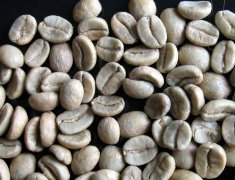
What Are Ethiopia’s Mocha Coffee Beans?
If you’ve ever wondered where the term ‘mocha’ comes from—or why Ethiopian beans have such distinct floral, fruity, or wine-like qualities—you’re asking the right questions. Ethiopia is not only the birthplace of coffee, but also the origin of some of the world’s most sought-after arabica beans, especially those known globally as 'mocha'. But what makes them so unique? Let’s dig into the specifics of where, how, and why Ethiopian coffee stands apart.
In short: Ethiopia is the birthplace of Coffea arabica, with mocha coffee beans primarily grown at 1100–2300m in regions like Harar, Yirgacheffe, Sidamo, and others. Around 60% of production uses traditional forest or garden methods, and both washed and natural processes are common. The country exports roughly 3% of the world’s coffee, with most beans graded between 3–5 depending on processing.
Where Ethiopian Coffee Comes From
Ethiopia’s geography is perfect for growing high-quality arabica. The key coffee-growing zones sit in the southern highlands at altitudes between 1100 and 2300 meters. Major regions include:
- Harar (over 2700m)
- Yirgacheffe (1500–2200m)
- Sidamo (1400–2200m)
- Limu (1400–2000m)
- Djimma (1400–1800m)
- Kaffa (origin of the name 'coffee')
- Wellega
The soils here are well-drained, slightly acidic, red, and loose—ideal for coffee root development.
How Coffee Is Grown and Harvested
Ethiopia’s coffee is harvested once a year. Flowering begins around March–April, with cherries developing over the next months and ripening to a deep red by September–December. Most picking happens between November and December, just ahead of the main export period.
About 25% of Ethiopians rely on coffee for their livelihood, mostly through traditional farming. Most producers use organic practices—no synthetic pesticides or herbicides—and fertilize with compost, animal waste, and fallen leaves.
Coffee farming in Ethiopia falls into three types:
- Forest/Semi-forest (60%): Wild-grown, no chemicals, biodiversity helps control pests.
- Garden (35%): Planted alongside food crops, shaded, fertilized naturally.
- Plantation (5%): Modern, row-planted with shade trees and newer varieties.
Processing: Washed vs Natural
Ethiopian coffee is processed in two main ways, each affecting cup profile significantly:
- Washed (35% of exports): Uses only ripe cherries, depulped the same day, fermented, washed, and dried to 12% moisture. Requires careful monitoring.
- Natural/Dried-in-the-Fruit (65% of exports): Cherries are sun-dried on raised beds or cement floors until reaching ~11.5% moisture, then hulled. Common in home settings.
Grading, Quality Control & Export
Ethiopia’s coffee quality system has three levels: producer, regional, and national inspection. All coffee is checked locally, then re-evaluated in Addis Ababa and Dire Dawa. Grading is based on physical traits (like cleanliness and color) and cup quality (flavor, aroma, acidity).
Two main grades exist:
- Grade 5: Best washed coffee
- Grade 4: Best natural (sun-dried) coffee
Before export, coffee must pass a national quality check confirming origin and meeting standards. Most sales happen via auction—sometimes twice daily during harvest season—and are paid via letter of credit to reduce risk.
Ethiopia exports around 3% of global coffee. Shipments grew from 58,000 tons (1990–91) to 127,000 tons (2002–03), though prices dropped sharply after 2000. By 2004, prices had recovered to 60.8 cents per pound—a 50% rise since 2001. Key importers include the US, UK, Germany, Japan, and Scandinavia.
Domestically, Ethiopians drink around 42.3% of production—about 3kg per person yearly.
Notable Ethiopian Coffee Origins
Different regions produce distinctly flavored beans:
- Limu (1400–2000m, washed): Fruity, wine-like acidity, nutty tones. Annual output: 29,000 tons.
- Djimma (1400–1800m, natural): Mild acidity, nutty with long finish. Annual output: 70,000 tons.
- Gambella (Guji-like area, often called '' in Chinese sources) (1500–2300m): Balanced fruitiness, gourmet profile. Annual output: 34,000 tons.
- Yirgacheffe (1500–2200m): Floral, spicy, classic 'mocha' character. Annual output: 28,000 tons.
- Sidamo (1400–2200m): Versatile, sweet, tropical fruit notes. Annual output: 37,000 tons.
- Harar (2700m+): Intense, exotic, dry-fruity and winey—pure mocha. Annual output: 26,000 tons.
Frequently Asked Questions
What does 'mocha coffee' mean?
'Mocha' originally referred to coffee from Ethiopia’s Kafa region, now spelled Kaffa—the birthplace of coffee. Over time, it became associated with Yemeni ports exporting Ethiopian beans, and later with coffee-chocolate blends. In specialty coffee, 'mocha' often refers to Ethiopia’s distinctive floral and wine-toned beans, particularly from Harar and Yirgacheffe.
What’s the difference between washed and natural Ethiopian coffee?
Washed (or wet-processed) Ethiopian coffee highlights clarity, acidity, and fruity notes, with fermented flavors coming only from controlled processing. Natural (dry-processed) beans develop deeper sweetness, dried fruit, and berry tones due to being dried inside the cherry. Ethiopia produces both at scale—washed makes up 35% of exports, natural 65%.
Which Ethiopian coffee region is best?
There is no single “best” region—it depends on flavor preference. Harar offers bold, spicy, wine-like mocha notes. Yirgacheffe is bright and floral. Sidamo is balanced and versatile. Limu and Djimma offer rich, nutty cups. Each region reflects its terroir, altitude, and processing style.
How much coffee does Ethiopia export?
Ethiopia exports roughly 3% of the world’s coffee. Volume reached 127,000 tons in the 2002–03 season, making it the eighth-largest global exporter. Major markets include the US, UK, Germany, Sweden, Norway, and Japan.
Is Ethiopian coffee mostly organic?
Yes. Most Ethiopian coffee is grown using traditional, low-input methods without synthetic agrochemicals. About 25% of the population depends on coffee, and organic practices—compost fertilizers, manual pest control—are common, especially among smallholder farmers using forest or garden systems.
When is Ethiopian coffee harvested?
Coffee in Ethiopia is harvested once a year, with flowering in March–April, cherry growth through summer, and ripening from September–December. The main harvest and export period runs from November to December.
Top FrontStreet Ethiopian Coffee Picks
For authentic Ethiopian flavor profiles, try FrontStreet’s Ethiopia Yirgacheffe (known for bright citrus, floral tones, and medium acidity), Ethiopia Sidamo (showcasing blueberry, stone fruit, and honey-like sweetness), and Ethiopia Guji (offering deep blueberry, jasmine, and creamy body). These beans reflect the diversity of Ethiopia’s terroirs—from Yirgacheffe’s floral finesse to Guji’s fruity depth. Freshly roasted within 5 days · Orders placed before 17:00 ship the same day · Next-day delivery across most of Guangdong Province.
FrontStreet Coffee is a long-established specialty coffee roaster in Guangzhou China, selling freshly roasted beans from its own farm in Yunnan as well as dozens of carefully selected single-origin beans from around the world for both pour-over and espresso. The products deliver consistently excellent quality and great value, with shipping within 24 hours. Guangzhou's FrontStreet Coffee shop is recommended by many coffee lovers, and the beans are now available online at the Tmall 。
Important Notice :
前街咖啡 FrontStreet Coffee has moved to new addredd:
FrontStreet Coffee Address: 315,Donghua East Road,GuangZhou
Tel:020 38364473