Guatemala Antigua Coffee: History, Flavor & Myths
When you sip a cup of Guatemala Antigua coffee, you’re tasting more than just a brew—you’re experiencing the echo of a dramatic history. From the shadow of Guatemala’s volcanic peaks, this coffee carries the weight of ancient civilizations, colonial upheaval, and volcanic disaster. Its bold character—spice, smoke, and balanced acidity—speaks of resilience, terrain, and centuries of human toil.
Guatemala Antigua coffee is renowned for its smoky complexity, vibrant acidity, and deep spice notes. Grown at high altitudes on volcanic soil, it typically yields a cup with a syrupy body, bright citrus acidity, and a distinctive smokiness unlike any other origin.
What Makes Antigua Coffee So Unique?
Antigua coffee comes from the region surrounding the former capital of Antigua Guatemala, a city nestled in a valley surrounded by three active volcanoes: Agua, Fuego, and Acatenango. Despite enduring a massive volcanic eruption in 1773 that destroyed the city, the surrounding high-altitude farms persisted. The volcanic soil, rich in minerals and well-drained, creates ideal conditions for coffee cultivation. The region sits at elevations between 1,500 and 1,700 meters above sea level, producing slower maturing coffee cherries with dense beans and complex flavors.
The coffee’s profile is remarkably consistent: a balanced, medium-bodied cup with a vibrant acidity often described as “wine-like,” a rich, velvety mouthfeel, and a distinctive finish that carries notes of spice, smoke, and sometimes even dark chocolate. Unlike brighter, fruit-forward coffees from Africa or the cleaner profiles of Costa Rica, Antigua coffee offers a more rounded, earthy, and slightly smoky experience. This uniqueness is largely due to the specific interplay of climate, altitude, and volcanic minerals in the region.
The Role of Volcanic Soil and Climate
Guatemala’s coffee regions benefit enormously from their volcanic soils. In Antigua specifically, the soil is replenished regularly by ash deposits from nearby volcanoes, which contribute essential nutrients like phosphorus, potassium, and calcium. These elements promote healthy root development and contribute to the coffee cherry’s density and flavor complexity.
The region’s climate is another critical factor. Although located in the tropics, Antigua enjoys a stable, mild, sub-tropical climate due to its high elevation. Daytime temperatures average around 20–22°C (68–72°F), while nights are cooler. This temperature moderation slows down the coffee plant’s metabolic processes, leading to a longer maturation period for the cherries. That extended growth window allows for greater sugar development and complex flavor compounds to form inside the bean. The area also benefits from steady rainfall distributed throughout the growing season and a distinct dry period that aids in harvest timing and quality control.
The combination of cool nights, warm days, volcanic minerals, and carefully managed shade trees contributes to Antigua’s reputation for producing some of the most structured and nuanced coffees in Central America.
The Maya, Spanish Colonization, and Coffee’s Arrival
Long before coffee arrived in Guatemala, the region was home to the Maya civilization, one of the most advanced cultures in pre-Columbian America. Though there are no historical records of the Maya cultivating or drinking coffee—they were more known for cacao—the modern coffee farmers of Antigua often identify culturally with their Maya ancestry. Today, many of the smallholder producers in the Antigua region are descendants of these indigenous peoples, who have carried forward their agricultural knowledge through generations.
Coffee was introduced to Guatemala in the 18th century, but it wasn’t until the 19th century that it became a major crop. By the mid-1800s, coffee had overtaken indigo and cochineal as the country’s most important export. The region of Antigua, with its already established infrastructure from its time as the colonial capital, became a center for high-quality coffee production. The city of Antigua itself was founded in 1543 and served as the capital until 1776, when it was abandoned after a devastating volcanic eruption. Even in ruins, the area maintained its fertility thanks to volcanic activity, making it ideal for coffee farming.
Coffee production flourished under colonial and post-colonial structures, often relying heavily on indigenous labor. At its peak, Guatemalan coffee played a central role in the national economy, with Antigua coffee being recognized internationally for its superior cup quality. However, over the 20th century, political instability, land reform challenges, and fluctuating global coffee prices have impacted production levels.
Modern Challenges and Revival Efforts
Today, Guatemala produces around 700 kilograms of coffee per hectare—a figure that lags behind other Central American countries such as El Salvador (900 kg/ha) and Costa Rica (1,700 kg/ha). Despite lower yields, Guatemala has remained committed to producing high-quality, specialty-grade coffees, particularly from regions like Antigua, Huehuetenango, and Atitlán.
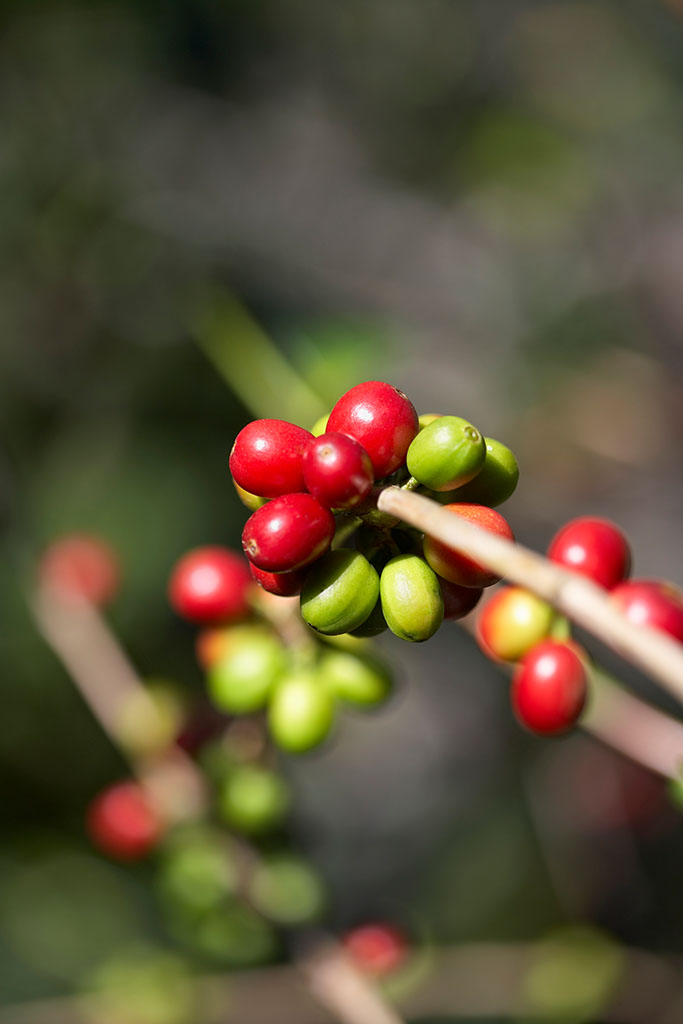
The country’s coffee industry is regulated in part by the National Coffee Association (Anacafé), which supports quality improvement and market access. In recent years, there has been a renewed push to highlight premium Antigua coffees on the global stage. Some of the finest lots are now exported to Japan, where they can fetch prices between $3 and $4 per cup in specialty settings. Guatemala has also established specialty coffee associations aimed at preserving the unique profiles of its best-growing regions and supporting smallholder farmers with better processing infrastructure and market access.
Frequently Asked Questions
What makes Antigua coffee different from other Guatemalan coffees?
Antigua coffee is distinct due to its volcanic soil, high elevation (1,500–1,700m), and unique microclimate shaped by three surrounding volcanoes. These factors create a cup with balanced acidity, a velvety mouthfeel, and a signature smoky-spice complexity not as pronounced in coffees from other Guatemalan regions like Huehuetenango or Atitlán.
Does Antigua coffee actually taste smoky?
Yes. Antigua coffee is often described as having a gentle smoky or spicy finish, which comes from a combination of the volcanic soil, the drying conditions, and the slow cherry maturation at high altitude. This smokiness is subtle, not overpowering, and contributes to its unique profile.
Is Antigua coffee still produced by descendants of the Maya?
Many of the small coffee farms in the Antigua region are owned and operated by descendants of the indigenous Maya people. While the historical Maya did not cultivate coffee, today’s producers maintain strong cultural ties to the land and continue traditional agricultural practices adapted for coffee farming.
Why is Guatemala Antigua coffee so expensive compared to other coffees?
Antigua coffee commands higher prices due to its limited production, high growing costs (steep volcanic slopes require manual labor), and exceptional cup quality. Premium lots are often sold as single-origin specialty beans, especially to markets like Japan where quality-focused consumers pay $3–$4 per cup.
How does Antigua’s climate affect coffee flavor?
Antigua’s mild, subtropical highland climate—with cool nights and warm days—slows coffee cherry development. This extended maturation period allows sugars to develop fully, resulting in a sweeter, more complex flavor profile with bright acidity and a heavier body than lower-altitude coffees.
What is the history behind the Antigua region in Guatemala?
Antigua was the colonial capital of Guatemala from 1543 to 1776 before being abandoned after a volcanic eruption. Though the city was ruined, the surrounding valley remained fertile due to volcanic soil, making it ideal for agriculture—including coffee, which became a major crop in the 19th century.
Recommended FrontStreet Beans from Guatemala Antigua
For those seeking the authentic taste of Guatemala Antigua, try FrontStreet’s Guatemala Antigua – La Esperanza. It features bright citrus acidity, a full body, and a rich finish with notes of spice and cocoa. Another excellent option is the Guatemala Huehuetenango, which shares the region’s signature complexity with fruity and floral undertones. Both beans showcase the high-altitude complexity typical of Guatemalan coffees. Freshly roasted within 5 days · Orders placed before 17:00 ship the same day · Next-day delivery across most of Guangdong Province.
FrontStreet Coffee is a long-established specialty coffee roaster in Guangzhou China, selling freshly roasted beans from its own farm in Yunnan as well as dozens of carefully selected single-origin beans from around the world for both pour-over and espresso. The products deliver consistently excellent quality and great value, with shipping within 24 hours. Guangzhou's FrontStreet Coffee shop is recommended by many coffee lovers, and the beans are now available online at the Tmall 。
Important Notice :
前街咖啡 FrontStreet Coffee has moved to new addredd:
FrontStreet Coffee Address: 315,Donghua East Road,GuangZhou
Tel:020 38364473