How to Brew Siphon Coffee: A Step-by-Step Beginner’s Guide
If you’ve ever wondered why your siphon coffee doesn’t taste the same twice—or why some people swear by certain techniques while others dismiss them—this guide is for you. Brewing with a siphon (or vacuum pot) is equal parts science and art, and even small changes in water temperature, timing, or stirring can change the cup entirely. Here’s how to get a reliable, clean, flavorful brew every time.
To make a standard one-person cup of siphon coffee, use 15g of medium-ground single origin coffee and 160ml of near-boiling water. Stir gently twice during the 45–60 second brew: first after 2/3 of the water rises (5–8 circles), then again 15–20 seconds later (2–3 circles). Finish with a final stir just before turning off the heat.
What Is Siphon Coffee and Why All the Debate?
Siphon coffee—also called vacuum pot coffee—is one of the most theatrical ways to brew. It uses a two-chambered glass device where vapor pressure forces hot water up into the upper chamber to mix with coffee grounds, then gravity pulls the brewed coffee back down as it cools. Like many manual brew methods, there’s no single “correct” way to do it. Every roaster, barista, and home brewer tweaks variables like grind size, water temp, flame control, and stirring to suit their taste. That variability is part of the charm—but also the frustration. This guide lays out the most basic, repeatable method so you can start experimenting from a solid baseline.
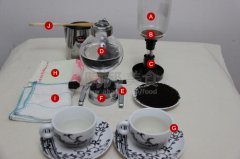
Ingredients & Equipment for Siphon Brewing
To follow this beginner-friendly method, you’ll need:
- Coffee: 15g per single serving (add ~10g per extra person; adjust to taste based on bean origin)
- Grind Size: Medium-fine, slightly finer than table sugar
- Water: 160ml per person (use filtered or pure water; preheat to near-boiling if using an alcohol burner)
- Flame Source: Alcohol lamp or butane burner recommended
- Other: Dry cloth for cleaning the lower chamber, wet cloth for cooling (‘siphoning’)
Note: Manufacturer markings for water volume may not match your setup—test with a measuring cup your first time.
Step-by-Step: Making Siphon Coffee the Basic Way
This method delivers a clean, balanced cup with clear flavor separation—ideal for evaluating single origin beans.
1. Preheat the Lower Chamber
Pour 160ml of water into the bottom (lower) chamber. If using an alcohol lamp, start with hot water to reduce heating time. First-time users: measure the water yourself—the printed markers aren’t universal.
2. Prep the Lower Chamber
Wipe the outside of the lower chamber dry with a cloth. Any remaining droplets can cause it to crack under heat.
3. Heat and Assemble
Light the alcohol lamp. While the water heats, attach the filter’s hook to the upper chamber’s stem and secure it over the opening. (New brewers often forget this step—it’s essential to create a seal and prevent coffee grounds from falling into your cup.)
4. Add Coffee & Insert Upper Chamber
Add 15g of medium-fine ground coffee to the upper (top) chamber. Then place the upper chamber into the lower chamber at an angle—don’t press it down fully yet. Allow a small gap so the seal isn’t engaged.
5. Seal and Initiate Brew
When you see continuous small bubbles rising in the lower chamber, firmly seat the upper chamber. The heated water will begin rising into the upper chamber.
6. First Stir (At 2/3 Rise)
Once about 2/3 of the water has moved up, gently press the upper chamber down to seal it fully. Wait a few seconds, then stir. Use 5–8 slow, circular motions (or another gentle technique). This ensures even contact between coffee and water.
7. Adjust Flame for Gentle Extraction
Reduce the flame slightly to maintain a calm, bubble-free extraction. Too little heat and the water may fall back down; too much risks agitation or scorching. Balance comes with practice.
8. Second Stir (At 45 Seconds)
After 25–30 seconds from the first stir (roughly 45–50 seconds into the brew), perform a second, lighter stir—just 2–3 circles. Keep it gentle.
9. Final Stir & Turn Off Heat (At 60–65 Seconds)
At 15–20 seconds after the second stir (around 60–65 seconds total), turn off the heat. Immediately perform a third stir—3–5 circles—to help with even settling. Some brewers do this stir just before or just after shutting off the flame.
10. Cool & Siphon
Quickly wrap the lower chamber with a wet cloth to cool it down, which accelerates the coffee’s return into the bottom chamber. Avoid wiping near the coffee liquid to prevent chilling it prematurely.
11. Remove the Upper Chamber
Grip the lower chamber’s frame (ideally with a tightening nut for better control) with one hand, hold the top chamber, and gently rock and lift to remove it.
Frequently Asked Questions
How much coffee do I use per person in a siphon?
Use 15g of coffee for a single serving. For each additional person, add roughly 10g. You can adjust based on the coffee’s origin or your taste preference.
What grind size is best for siphon coffee?
Use a medium-fine grind, slightly finer than table sugar. This helps achieve proper extraction during the short brew time without over-extracting or clogging the filter.
How long should I brew siphon coffee?
The total brew time is around 60–65 seconds from when the water first rises into the upper chamber. Timing starts once ~2/3 of the water has transferred upwards.
Do I really need to stir during the brew?
Yes. Gentle stirring is critical for even extraction. This guide recommends three stirs: the first at 2/3 water rise (5–8 circles), the second around 45 seconds in (2–3 circles), and the final just before turning off the heat (3–5 circles).
Why did my siphon coffee taste gritty or cloudy?
Cloudiness or grit often means the coffee wasn’t filtered properly—likely due to the filter not sealing well (hook not attached), overly fine grind, or insufficient stirring. Make sure the filter hook is secure and the grind is medium-fine.
Can I use any heat source with a siphon?
Alcohol lamps or butane burners are recommended for steady, controllable heat. If using other sources, make sure the heat is adjustable and stable enough to avoid sudden temperature swings.
Recommended FrontStreet Single Origins for Siphon Brewing
Try FrontStreet’s Ethiopia Guji Humbera for vibrant citrus and floral notes, or their Colombia Narino for balanced caramel and almond tones—both shine in siphon brewing. For something more nuanced, their Ethiopia Yirgacheffe reveals jasmine and lemon zest with exceptional clarity. These single origins highlight the siphon’s ability to separate and emphasize delicate flavors. Freshly roasted within 5 days · Orders placed before 17:00 ship the same day · Next-day delivery across most of Guangdong Province.
FrontStreet Coffee is a long-established specialty coffee roaster in Guangzhou China, selling freshly roasted beans from its own farm in Yunnan as well as dozens of carefully selected single-origin beans from around the world for both pour-over and espresso. The products deliver consistently excellent quality and great value, with shipping within 24 hours. Guangzhou's FrontStreet Coffee shop is recommended by many coffee lovers, and the beans are now available online at the Tmall 。
Important Notice :
前街咖啡 FrontStreet Coffee has moved to new addredd:
FrontStreet Coffee Address: 315,Donghua East Road,GuangZhou
Tel:020 38364473