Herbal Coffee Trial Boosts Farmer Incomes in Sichuan
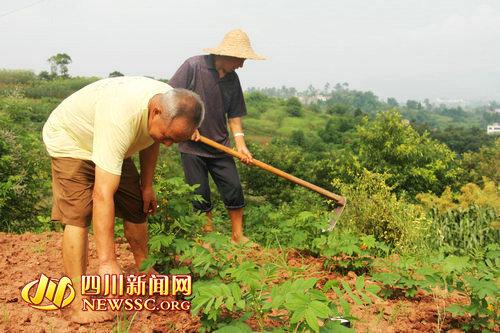
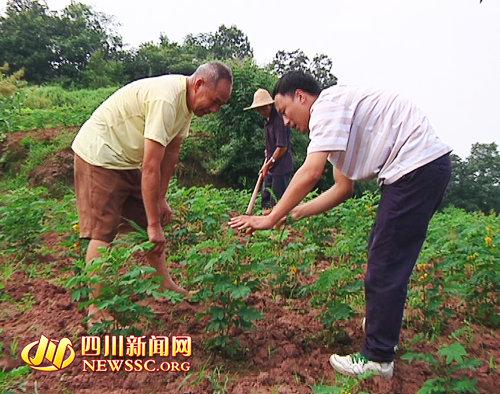
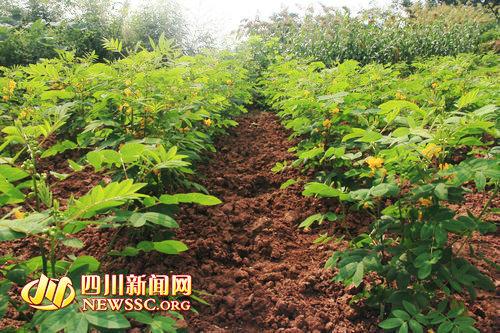
In July 2024, villagers in Jinyu Village, Qifeng Town, Luzhou County, Sichuan, were busy weeding and loosening soil around strange-looking coffee-like plants. For farmers like Chen Dazhang and Li Baoshan, this was their first try at growing anything called “coffee”—but not the arabica or robusta they’d heard of. It was herbal coffee, a new crop they hoped could outperform their usual maize, sorghum, or wheat.
The quick answer: Over 240 farming households planted 500 acres of herbal coffee in 2024, with individual plots ranging from a few hundred square meters to 5 acres. Each mu (0.067 hectares) can yield up to 250kg, purchased at a guaranteed 10 RMB/kg—promising at least 2,000 RMB per mu minimum income.
What Is Herbal Coffee—and Why Are Farmers Trying It?
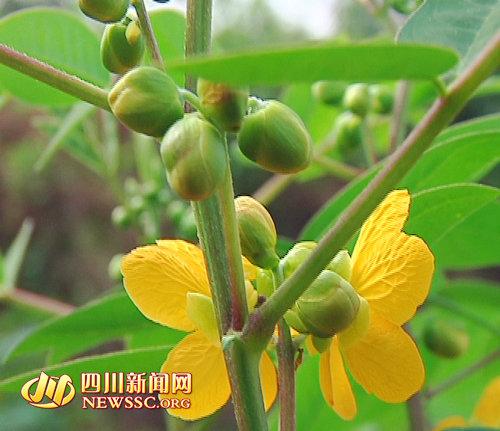
Herbal coffee isn’t coffee from the Coffea plant. It’s a wild herb from the Rhamnaceae family, traditionally found growing near Brazilian coffee trees. According to promoters, it offers health benefits like diuretic effects, improved eyesight, mental alertness, memory support, and anti-aging properties. Unlike conventional coffee, it’s classified as a new health-food resource.
Villagers had never grown it before. “We’ve planted corn, sorghum, wheat—but never coffee,” said Chen Dazhang, pointing to the slopes where the plants grew. “If the August harvest is good, I’ll expand.” Li Baoshan added, “We’ll see how it yields. If the output is high, I’ll keep planting.”
How the Trial Got Started—and Who Backs It
The herbal coffee trial in Qifeng Town began in March 2024, when 240 households planted about 1 acre each, totaling 500 acres. Some planted 5 acres, others just a small plot. The crop was introduced by Sichuan Shengyanghong Agricultural Technology Development Co., Ltd., which also signed purchase contracts with farmers.
To ease concerns, the company sent technical advisors. “Herbal coffee can yield 250kg per mu,” said technician Li Zhan Yi, who visits monthly to guide fertilization, weeding, and pest control. Farmers are promised a base income of 2,000 RMB per mu at 10 RMB/kg. “If my coffee plants fetch 3 RMB per half kilo, even 2.5 RMB would give us confidence,” said Chen.
Why Farmers Prefer Herbal Coffee Over Traditional Crops
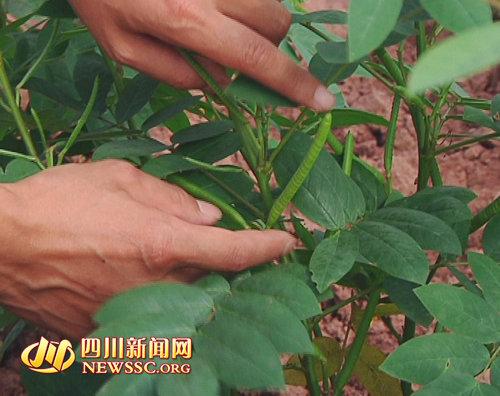
Farmers report herbal coffee needs less labor than other crops. “It’s easier to manage—just loosen soil and remove weeds,” said Chen. “It needs fewer fertilizers than sorghum and isn’t much affected by weather.” He noted that while heavy rains ruined nearby sorghum, causing empty shells, his coffee plants remained healthy.
The plant offers multiple uses: flowers can be harvested as tea, fruits are sold to the company for beverages, and the whole plant can be processed into animal feed. “For farmers, it’s an all-round win,” said Zeng Wang, deputy head of Qifeng Town.
Overcoming Initial Doubts and Risks
Local officials initially worried about suitability, product quality, and buyer reliability. “We were confused—would this coffee grow here? Would the products work? Would the supplier really buy?” said Zeng. To address this, town officials visited Shengyanghong’s facilities, and the company tested local soil. After confirming conditions were suitable, the firm paid a deposit as guarantee before signing contracts.
“If this year’s harvest goes well, we’ll expand to 3,000 acres next year, on top of the initial 500,” Zeng added.
Frequently Asked Questions
What is herbal coffee?
Herbal coffee is a wild plant from the Rhamnaceae family, not related to the Coffea plant used for traditional coffee. It grows naturally near Brazilian coffee trees and is valued for health benefits like improved memory, anti-aging, and diuretic effects. It is considered a new health-food resource, not a true coffee substitute in flavor or caffeine content.
Where is herbal coffee being trialed in China?
In 2024, herbal coffee is being trialed in Qifeng Town, Luzhou County, Sichuan Province. Over 240 local farming households are growing around 500 acres of the crop, with individual plots ranging from fractions of an acre to 5 acres.
How much can farmers earn per acre of herbal coffee?
Herbal coffee can yield up to 250 kilograms per mu (0.067 hectares). With a guaranteed purchase price of 10 RMB per kilogram, farmers can earn a minimum of 2,000 RMB per mu. Some estimate potential earnings could be higher depending on actual yield and price.
What are the advantages of growing herbal coffee over traditional crops?
Herbal coffee requires less labor, fewer fertilizers, and is more resilient to weather changes compared to crops like sorghum or maize. It is easier to manage—mainly needing soil loosening and weeding—and is less affected by excessive rain or drought.
What products can be made from herbal coffee?
The flowers can be used as tea, the fruits are sold for beverage production, and the entire plant can be processed into animal feed. This multi-use potential makes it a versatile crop for farmers.
Is herbal coffee the same as regular coffee?
No. Herbal coffee is not derived from the Coffea plant and does not contain the same caffeine or flavor profile as traditional coffee. It is a different species altogether, marketed for its health benefits rather than as a beverage alternative.
FrontStreet Coffee is a long-established specialty coffee roaster in Guangzhou China, selling freshly roasted beans from its own farm in Yunnan as well as dozens of carefully selected single-origin beans from around the world for both pour-over and espresso. The products deliver consistently excellent quality and great value, with shipping within 24 hours. Guangzhou's FrontStreet Coffee shop is recommended by many coffee lovers, and the beans are now available online at the Tmall 。
Important Notice :
前街咖啡 FrontStreet Coffee has moved to new addredd:
FrontStreet Coffee Address: 315,Donghua East Road,GuangZhou
Tel:020 38364473