
Coffee Knowledge
Latest articles, industry insights and brewing guides
Smoking and Coffee Linked to Lower Parkinson’s Risk
New research finds Parkinson’s patients drank less coffee and smoked less than their unaffected relatives. Find out how much less.

Drinking Coffee Doesn't Cause High Blood Pressure, Study Finds
A 10-year study of 6,400 Dutch adults shows regular coffee drinkers, including women who drink 6+ cups daily, aren't more likely to develop hypertension.

Practical Everyday Uses for Coffee and Coffee Grounds
Discover 8 clever ways to use coffee and coffee grounds around the house—from deodorizing your fridge to freshening your breath.
What Coffee Really Does: Benefits and Risks Explained
Coffee boosts energy, aids fat breakdown, and offers antioxidants—but only with exercise and mindful intake. Learn who should avoid it.

How to Make Italian Espresso Drinks: Con Panna & Macchiato
Learn how to make classic Italian espresso drinks: Con Panna with cream, and Macchiato with milk foam. Step-by-step methods included.
Why Coffee Keeps You Awake: The Science Behind Caffeine
Caffeine blocks adenosine, a chemical that promotes sleep. This disrupts your natural drowsiness, making it harder to fall asleep after drinking coffee.

How to Drink Coffee for the Best Flavor Experience
Enjoy coffee at 61°C for peak aroma and taste. Learn proper serving temps, cup choice, and sipping techniques for the full experience.

Who Should Avoid Drinking Coffee? Health Conditions Explained
Certain medical conditions make coffee risky. Learn which health issues—like high blood pressure, kidney disease, and insomnia—are worsened by caffeine.

How Daily Coffee Lowers Type 2 Diabetes Risk
Finnish research finds middle-aged people who drink more coffee daily have a significantly lower risk of developing type 2 diabetes.

How to Drink Coffee Scientifically for Energy and Health
Learn the best times and ways to drink coffee without side effects, including ideal intake and how food affects your brew.
Caffeine May Reduce Exercise-Induced Muscle Soreness
Drinking caffeine—about two cups of coffee—can reduce muscle soreness by up to 48% after intense workouts, a small study suggests.

Soda Caffeine Linked to Child Addiction, Study Finds
A 2024 Australian study reveals over half of sodas, especially colas, contain caffeine, which may increase addiction risk and obesity in kids.

How Caffeine May Help Prevent Male Hair Loss
German scientists found caffeine can stimulate hair follicle growth, potentially offering a new way to combat male baldness—though not by drinking coffee.
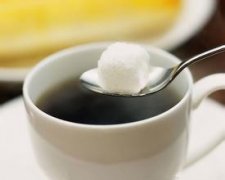
Caffeine May Help Treat Male Hair Loss, Study Finds
German research shows caffeine can stimulate hair follicle growth and may help fight baldness — but you’d need 60 cups of coffee a day.
Soft Drinks with Caffeine May Lead to Mild Addiction in Kids
Over half of soft drinks contain caffeine, often undetectable by taste. Research warns kids may develop mild dependency due to habitual consumption.

Excess Coffee and Tea Can Cause Iron Deficiency in Women
Drinking too much coffee or tea can hinder iron absorption, raising the risk of iron deficiency anaemia—especially in women. Here’s how to avoid it.

How Coffee Can Help Reduce Post-Workout Muscle Soreness
Drinking caffeine equivalent to two cups of coffee may reduce muscle soreness by up to 48% after intense exercise, a study finds.
How Daily Coffee Lowers Heart Disease Risk in Older Adults
Drinking 4+ cups of coffee daily cuts heart disease death risk by 53% in seniors with normal blood pressure, a U.S. study finds.
How Swedish Light Cafés Treat Winter Depression
In Sweden, artificial light cafés offering 3000 lux help combat winter depression with a cozy, café-style alternative to clinical therapy.
How Caffeine in Soft Drinks May Hook Kids
Research shows over half of soft drinks contain caffeine, which may subtly hook children and increase sugar intake. Experts urge limits.