
Coffee Knowledge
Latest articles, industry insights and brewing guides

What Is Japanese-Style Charcoal Roast Coffee?
Japanese charcoal roast coffee is a deep-roasted single origin with bold bitterness, low acidity, and intense caramelized flavors. Learn how it’s made.

How to Choose the Right Coffee Cup for Each Brew
Find the ideal cup size and shape for espresso, cappuccino, or latte based on coffee strength, milk content, and drinking style.
What Do Italian, Vienna, and French Roast Labels Actually Mean?
Italian, Vienna, and French roast labels on coffee bags don’t indicate origin—they refer to roast levels. Learn what these terms really mean.
South American Coffee Beans That Surprise
Discover how Brazilian coffee can offer unexpected sweetness and complexity beyond its usual mild reputation.

How to Brew High-Quality Coffee at Home
Learn the ideal grind sizes and brewing methods for making great coffee with a French press, V60, AeroPress, and more.
Why Coffee Fermentation Matters in Wet Processing
Fermentation dissolves sticky mucilage and improves uniformity—but over- or under-fermenting ruins flavor. Here’s how to get it right.
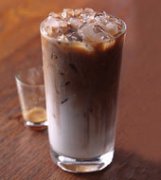
Starbucks Iced Caramel Macchiato: Recipe & Origins
Learn how Starbucks crafts its signature Iced Caramel Macchiato — a layered iced coffee with espresso, milk, vanilla syrup, and iconic caramel drizzle.
What Is Coffee? 8 Common Coffee Terms Explained
Get clear answers on coffee terms like caffeine, monsooned coffee, and hard vs soft beans. Essential knowledge for curious coffee drinkers.
What’s Really in a Cup of Coffee? Nutritional Pros and Cons
A fact-based look at coffee’s health effects—what nutrients it provides, what risks it may pose, and who should limit it.
What to Do With Used Coffee Grounds After Brewing
Used coffee grounds aren’t trash—they absorb odors, dry out shoes, act as a dehumidifier, and may support weight loss efforts. Here’s how.

How to Read Coffee Bean Labels Like a Pro
Learn what single origin, blend, roast level, and origin details really mean on your coffee bag — and why they matter.
How to Store Coffee Beans for Maximum Freshness
Keep your coffee fresh longer: store whole beans or grounds in sealed containers away from heat and moisture. Don’t freeze unless done right.

What Chemicals Are Actually in Coffee?
Explore the key chemical compounds in coffee—caffeine, tannins, fats, sugars, and more—that shape flavor, aroma, and effects.
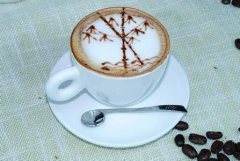
Let me introduce you to Brazilian coffee.
Brazil is vividly compared to the "giant" and "monarch" of the coffee world.
What Is Rainforest Alliance Coffee Certification?
Learn what the Rainforest Alliance certification means for coffee, including environmental and farmer protections, and how it impacts your cup.
Essential Coffee Terms Every Coffee Lover Should Know
Learn what acidity, aroma, body, bitterness, and other key coffee terms really mean in specialty coffee. A clear guide for coffee drinkers.
Three Major Indonesian Coffee Brands from Three Islands
Explore the three iconic Indonesian coffee regions—Sumatra, Java, and Sulawesi—and the unique beans each produces, from bold Mandheling to smooth Java.
Why You Should Drink Coffee at the Right Temperature
Coffee tastes best when served between 61–62°C. Learn the ideal brewing and drinking temperatures to fully enjoy your cup.
Why Freshly Ground Coffee Matters More Than You Think
Ground coffee loses aroma and flavor rapidly—here’s why fresh grinding is essential for great-tasting coffee, and how oxidation speeds up flavor loss.
Why Coffee Cupping Matters: Taste Coffee as It Truly Is
Cupping lets you evaluate coffee’s true flavor without brewing variables. It's essential for comparing beans accurately and discovering subtle tasting notes.