
Coffee Knowledge
Latest articles, industry insights and brewing guides

What Makes Costa Rican Specialty Coffee Special?
Explore why Costa Rican specialty coffee offers bright, clean flavors, learn how farming practices and processing methods shape its quality.
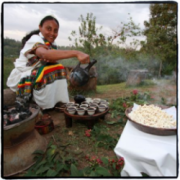
What Makes Ethiopian Specialty Coffee So Special?
Discover why Ethiopia produces some of the world’s most vibrant and aromatic coffees, with bright citrus, floral notes, and unique processing methods.
The Critical 45 Seconds After First Crack in Coffee Roasting
The 45 seconds after first crack in coffee roasting are vital. During this time, chemical and physical changes create flavors like caramel and crema compounds.
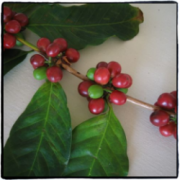
What Makes Hawaiian Specialty Coffee Different?
Hawaiian coffee is mild and expensive, but only a few estates produce truly high-quality specialty beans—here’s what sets them apart.

How to Enjoy Coffee Alone: The Complete Guide
Discover the best time, place, cup, and mindset for drinking coffee solo, plus why simplicity and leftover coffee matter.
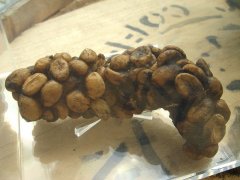
Monkey Coffee: India’s Animal-Processed Specialty Bean
Learn how Indian monkeys process coffee cherries naturally—and why monkey coffee sells for around $320 per pound.
2010 Starbucks Coffee, Tea & Pastry Menu with Prices
Here’s the full 2010 Starbucks menu with prices for coffee, tea, Frappuccinos, and pastries — all drinks and food items listed by size and cost.
Starbucks English Menu Terms Explained for Coffee Drinkers
Learn what 'shots' and 'syrup' really mean on a Starbucks menu, plus other common coffee terms used in stores.
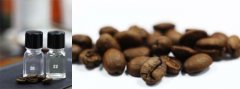
Brazil Nossa Senhora de Fatima Farm Specialty Coffee
This Brazilian coffee, processed semi-washed, offers fruity acidity and nutty sweetness. Best brewed at 85–90°C using 12g coffee to 150ml water.
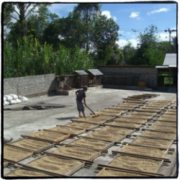
Bali Specialty Coffee: Flavor, Processing, and Profile
Discover Bali’s lesser-known specialty coffee, grown near volcanoes and processed traditionally, offering bold caramel, tobacco, and low acidity.
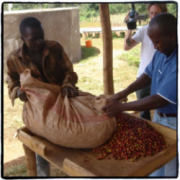
What Makes Tanzanian Specialty Coffee Unique?
Tanzanian specialty coffee, mainly washed and grown at high altitudes, offers bright acidity and fruity flavors similar to Kenyan coffees.
Van Gogh’s Coffee: Art, Cafés and Symbolism
Explore how Van Gogh used cafés and coffee in his paintings to explore color, madness, and working-class life, including The Night Café and The Potato Eaters.
How to Fine-Tune Your Coffee Brew for Body and Clarity
Learn how grind size, water temp, agitation, and brew ratio shape your coffee's body and flavor purity. These are the real variables that matter.

Six Basic Principles for Brewing Great Coffee
Master the fundamentals of brewing great coffee with six essential rules covering beans, grind, water ratio, tools, and technique.
What Makes a Good Cup of Coffee?
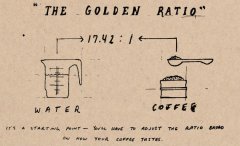
Good coffee balances extraction (18–22%) and strength (1.15–1.35%). Use a 1:17.42 brew ratio to hit the sweet spot.
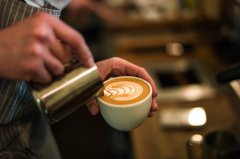
How to Build a Great Coffee Blend Without Flavor Clashes
Discover how to craft stable, flavorful blends by mixing single origins with complementary profiles, and learn why balance beats complexity.
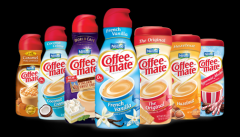
How Coffee Mate Affects Your Health
Coffee mate contains high calories, trans fats, and lacks nutrients. Here’s what every specialty coffee drinker should know.

Fun Facts Every Coffee Lover Should Know
From fake scents in cafes to historic coffee culture, discover 5 surprising truths about coffee you’ve never heard before.

How to Actually Drink Coffee the Right Way
Master the etiquette and techniques behind truly enjoying coffee — from holding your cup properly to customizing your brew.
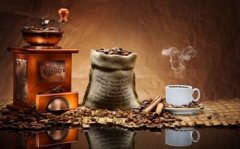
How to Blend Coffee for Better Flavor
To craft a balanced coffee blend, choose distinct beans, use 5 or fewer for single-origin-style blends and 7+ for rich espresso blends, and iterate through tasting.