
Specialty Coffee Beans
Latest articles, industry insights and brewing guides

What Makes Indonesian Mandheling Coffee Unique?
Discover the bold, spicy profile of Mandheling coffee from Sumatra, especially the high-grade PWN Golden Mandheling, known for its earthy sweetness and low acidity.

How to Brew and Blend Kilimanjaro Coffee
Learn how to brew Kilimanjaro coffee as a single origin, as part of a blend, or turned into classic espresso drinks.

What Is Jamaica Blue Mountain Coffee? The Real Guide
Learn what makes Jamaica Blue Mountain coffee truly special—from its strict growing zones to its rare certified beans and four official quality grades.

What Is Kopi Luwak? Facts About Civet Coffee
Kopi Luwak, or civet coffee, is one of the world’s most expensive brews, made from beans excreted by civets in Indonesia. Here’s how it’s made and why it tastes unique.
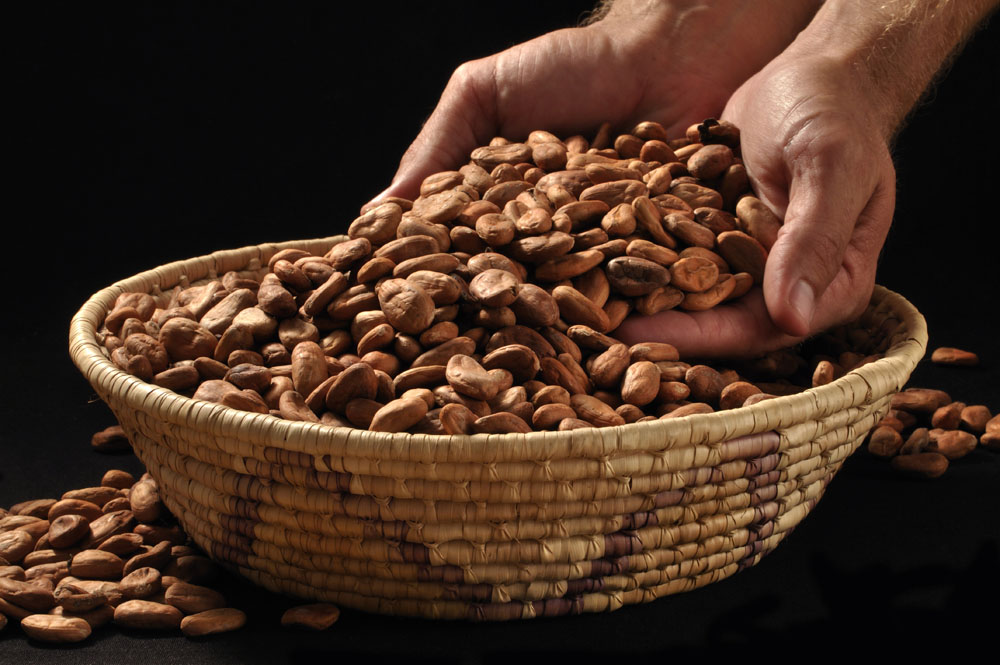
Does PWN Golden Mandheling Have to Be Low-Acid?
PWN Golden Mandheling can taste bright or bold depending on roast level—here’s how roast depth shifts its acidity and flavor profile.

What Is Mandheling Coffee? Types & Origins Explained
Mandheling isn't a place—it's an ethnic group. Learn where the name comes from, what defines Mandheling coffee, and how Golden and Aged versions differ.
Sulawesi Mandheling Coffee: Flavor, Processing & Origins
Explore the bold, earthy profile of Sumatran Mandheling coffee, its unique wet-hulled processing, and why PWN Golden Mandheling stands out globally.

Costa Rica Coffee Flavor: Bold, Bright, and Unique
Explore why Costa Rican coffee tastes so bold and bright—learn about altitude, processing, and regional influence on its high acidity and sweetness.

What Is Hawaiian Kona Coffee? The Complete Guide
Discover Hawaiian Kona coffee: family-grown on small farms, with over 600 plantations in the Kona region earning $10M annually. Learn its history and taste.

Colombian Coffee: Flavor Profiles & Regional Breakdown
Explore Colombia’s 200+ micro-lots, regional flavor differences, and why MAM coffees lead in balance and quality.
Brazil Coffee Beans: What Makes Them Unique?
Brazil produces 98% of its coffee from just four states. Learn why its low-acid, nutty, and chocolatey beans are ideal for espresso and blends.
What Is Cuban Crystal Mountain Coffee?
Learn what makes Cuban Crystal Mountain coffee unique — from its large beans to its clean, sweet island profile.

What Is Kopi Luwak? The Real Story Behind Civet Coffee
Learn how civet coffee is made, why it costs hundreds per pound, and what experts really think of its flavor profile.

What Makes Guatemalan Coffee Special? Flavor & Facts
Guatemalan coffee grows at high altitudes on volcanic soils, producing dense beans with bright acidity, sweetness, and unique floral-fruity complexity.

What Is Jamaica Blue Mountain Coffee?
Learn what makes Jamaica Blue Mountain coffee so rare and balanced, from its strict growing rules to its limited global supply.
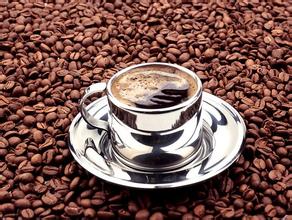
How Indonesian Mandheling G1 Coffee Beans Are Graded
Learn how Indonesian Mandheling G1 beans are actually graded—not by size, but by strict defect counts and taste quality, not appearance.
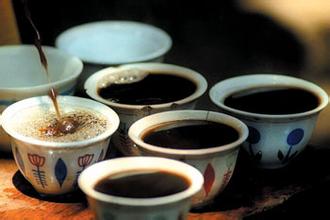
Ethiopia’s Four Coffee Cultivation Systems Explained
Learn how Ethiopia’s four coffee farming systems—forest, semi-forest, garden, and plantation—affect production, processing, and flavor profiles.

Geisha Coffee: Ethiopia’s Legendary Specialty Bean Explained
Learn how Geisha coffee rose from obscurity in Ethiopia to become the world’s most sought-after specialty bean, especially in Panama.

How Kenyan Coffee Beans Are Graded by Size, Defects & Altitude
Kenyan coffee is graded by bean size, defect count, and growing altitude. Learn how AA, PB, SHB, and other grades define quality.

What Makes Brazilian Coffee Unique in Specialty?
Brazil produces 98% of its coffee from just four states. Learn why its low-acid, nutty, and chocolatey profile makes it a staple in blends and espresso.