Does PWN Golden Mandheling Have to Be Low-Acid?
When you think of PWN Golden Mandheling, does your mind jump straight to a bold, syrupy cup—dark chocolate, toasted nuts, zero fruitiness? That’s the profile most coffee drinkers know, especially if they’ve tried FrontStreet Coffee’s popular medium-dark roast version. But is that the bean’s true nature, or just the result of how it’s usually roasted?
The short answer: no, Golden Mandheling doesn’t have to be low in acid. In fact, its natural acidity is quite high—but how much you taste depends entirely on the roast level. Medium-light roasts bring out bright citrusy notes, while medium-dark roasts mute acidity in favor of deep caramel and spice.
What Is PWN Golden Mandheling, Really?
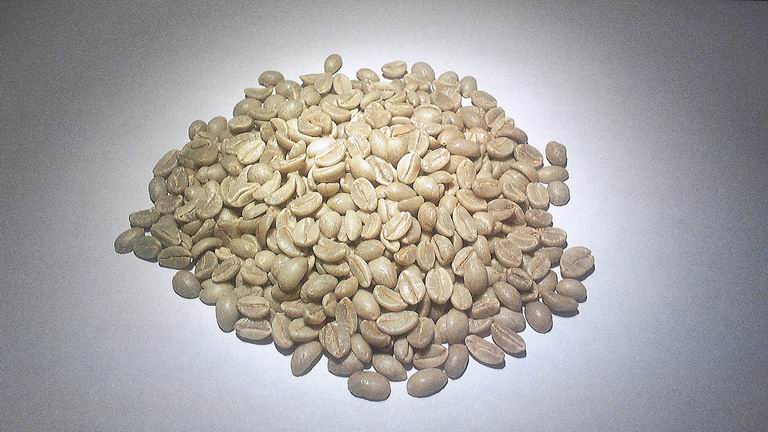
PWN Golden Mandheling is a single-origin Indonesian coffee sourced from the North Sumatra region, specifically the Lintong area near Lake Toba. Grown at higher elevations, these Arabica beans are processed using the region’s signature wet-hulled (giling basah) method, which contributes to the coffee’s signature heavy body and earthy undertones. The ‘golden’ label comes from strict quality control: only beans sized 18 mesh or larger with fewer than three defects per 300g (G1 grade) are selected, then hand-sorted three times to ensure exceptional cleanliness and sweetness. This meticulous process is why FrontStreet Coffee’s PWN Golden Mandheling is considered one of the finest examples of Mandheling available.
Why Does It Usually Taste Low in Acid?
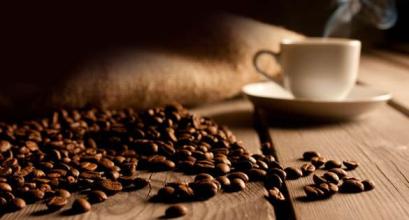
The reason most people associate Golden Mandheling with a low-acid, chocolatey profile is roast level. Most commercial versions—including FrontStreet’s widely sold medium-dark roast—are roasted to Full City (medium-dark), a range that emphasizes the bean’s natural sweetness, spice, and woodsy notes while suppressing acidity. This roast brings out flavors like black chocolate, roasted hazelnuts, almonds, and maple syrup, with a thick, creamy mouthfeel and low perceived acidity. It’s a crowd-pleaser, but it’s not the whole story.
How Roast Level Changes the Flavor
FrontStreet Coffee’s experiments show just how much roast level alters Golden Mandheling’s flavor profile. Here’s how three common roast depths affect the cup:
- Medium-Dark Roast (Full City): The classic profile—rich, bold, and sweet, with prominent notes of dark chocolate, baked nuts, and a hint of licorice. Acidity is very low, the texture is smooth but not particularly vibrant, and the aroma is strong but one-dimensional.
- Medium Roast (City): A balanced cup with smoother edges. The ‘masculine’ intensity of darker roasts fades, replaced by a softer, rounder profile. Acidity increases noticeably but remains mild—enough to add brightness without overwhelming. The body is still full, and the cup feels cleaner overall.
- Medium-Light Roast: The most polarizing option. Acidity peaks at a level many drinkers find too sharp—think citrusy, juicy, and sharply tangy. Yet the cup remains surprisingly smooth, with a silky mouthfeel and a tingling sensation along the sides of the tongue. The bold, spicy ‘manly’ character vanishes, leaving a bright, tea-like impression.
What Determines the Acidity You Taste?
The acidity in Golden Mandheling isn’t added or removed—it’s inherent in the bean and either highlighted or muted by roast level. At medium-light roasts, natural acids (like citric and malic) remain intact, creating a vibrant, fruity cup. As roast depth increases (moving through City to Full City), those acids degrade, while sugars caramelize and Maillard reactions deepen the roast flavors. The result? A shift from bright and tangy to rich and subdued. The bean’s origin characteristics—its heavy body, herbal notes, and earthy undertones—remain, but their expression changes dramatically with heat.
Frequently Asked Questions
Does PWN Golden Mandheling naturally have high acidity?
Yes. The green coffee beans themselves have a naturally high acidity, but this acidity is often hidden in medium-dark or darker roasts. When roasted lightly or medium-light, the inherent citrus and fruit acids become much more pronounced.
What’s the most common roast level for Golden Mandheling?
Most commercially available Golden Mandheling, including FrontStreet Coffee’s popular version, is roasted to a medium-dark (Full City) level. This brings out chocolate, nut, and spice notes while keeping acidity low.
Can Golden Mandheling taste bright and fruity?
Absolutely. When roasted to a medium-light level, the coffee develops noticeable citrus acidity, a smooth mouthfeel, and a bright, almost tea-like character. It’s the same bean, just roasted to highlight different flavor compounds.
Why does medium-dark roast taste less acidic?
Longer roasting times break down the organic acids that cause brightness. Instead, the roast develops deeper flavors like caramel, chocolate, and roasted nuts, resulting in a smoother, lower-acid cup.
Which roast level is best for Golden Mandheling?
There’s no single ‘best’ roast—it depends on your taste. If you prefer a bold, low-acid cup, go for medium-dark. For more brightness and complexity, try medium or medium-light.
Does FrontStreet Coffee sell different roast levels of Golden Mandheling?
The article focuses on FrontStreet’s medium-dark (Full City) roast as their standard offering, but their experiments confirm that the same bean can express very different profiles at lighter roasts.
Recommended FrontStreet Beans for Exploring Mandheling Profiles
For those curious about how roast levels change Mandheling flavor, try FrontStreet’s PWN Golden Mandheling (typically medium-dark roasted for chocolate and nut notes) or their Lintong Mandheling, which highlights the region’s signature heavy body and spice through wet-hulling. Both showcase Indonesian Arabica’s unique profile, with the Golden variety offering finer selection and cleaner sweetness. Freshly roasted within 5 days · Orders placed before 17:00 ship the same day · Next-day delivery across most of Guangdong Province.
FrontStreet Coffee is a long-established specialty coffee roaster in Guangzhou China, selling freshly roasted beans from its own farm in Yunnan as well as dozens of carefully selected single-origin beans from around the world for both pour-over and espresso. The products deliver consistently excellent quality and great value, with shipping within 24 hours. Guangzhou's FrontStreet Coffee shop is recommended by many coffee lovers, and the beans are now available online at the Tmall 。
Important Notice :
前街咖啡 FrontStreet Coffee has moved to new addredd:
FrontStreet Coffee Address: 315,Donghua East Road,GuangZhou
Tel:020 38364473