
"0.6cm"
200 article(s) found
Introduction to the characteristics of El Salvador Coffee Manor IzaIco area of Renas Manor Sonsonate Province
Pacamara is the artificial breeding variety of Pacas and Maragogipe. It was first cultivated by researchers in El Salvador in 1958. Pacamara is an excellent variety under rare artificial breeding, which is better than blue, and perfectly inherits the advantages of the mother plant. It not only has the excellent taste of Pacas, but also inherits the large size of Maragogipe, and the bean body is at least like beans.
Taste characteristics of Salvadoran coffee varieties
Professional coffee knowledge exchange more coffee bean information please follow the coffee workshop (Wechat official account cafe_style) front street-Salvadoran coffee varieties introduction first cultivated by Salvadoran researchers in 1958. Pacamara is a rare excellent variety under artificial breeding, which is better than blue, and perfectly inherits the advantages of the mother plant. It not only has the excellent taste of Pacas species, but also has a good taste.

Introduction to the overall soft coffee flavor description method of Mercedes Manor in El Salvador
Pacamara is the artificial breeding variety of Pacas and Maragogipe. It was first cultivated by researchers in El Salvador in 1958. Pacamara is an excellent variety under rare artificial breeding, which is better than blue, and perfectly inherits the advantages of the mother plant. It not only has the excellent taste of Pacas, but also inherits the large size of Maragogipe, and the bean body is at least like beans.

Brief introduction of Salvadoran Coffee Variety
Professional coffee knowledge exchange more coffee bean information please follow the coffee workshop (Wechat official account cafe_style) front street Salvadoran olive manor coffee introduction El Salvador is known as the country of volcanoes, volcanic soil makes quality coffee trees, but also makes Salvadorans and coffee interdependent. Geographically, El Salvador lies between Honduras and Guatemala, and to the south is
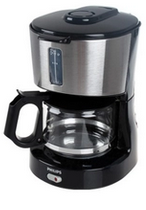
Philips Coffee maker HD7450/20 makes delicious coffee easily
Philips coffee maker HD7450/20, easy to make delicious coffee! Brewing 4 to 6 cups, a small and durable coffee pot combines a compact design to cook a cup of delicious coffee experience simple beauty anti-leakage function can interrupt the brewing process at any time parts that can be washed with a dishwasher, easy to clean translucent water tank design can display the water level wire storage grid in the tank

Introduction of Salvadoran Coffee Bean characteristics and Flavor description
El Salvador coffee bean characteristics, flavor description, taste treatment variety introduction El Salvador boutique coffee is concentrated in the volcanic rock producing areas of Santa Ana in the west and Charantanan fruit in the northwest, and the top 10 cup tests in recent years almost all come from these two producing areas. 9-1500 meters above sea level, mainly bourbon (68%), followed by Pacas (29%), mixed-race Pacama

Introduction to the Grinding scale Manor of Pacamara Coffee Bean production area in El Salvador
On the whole, Salvadoran coffee inherits the mild quality of Central American coffee, with soft, slightly sour and beautiful sweetness. At the same time, it also has its own characteristics: the aromatic taste is slightly sour and very soft; it is pure and has no miscellaneous flavor and has an excellent taste balance; it feels as smooth as cream chocolate.

The Camellia Girl Manor of El Salvador where coffee is grown at an altitude of about 90-1500 meters above sea level
The Salvadoran mixed-race Pacamara boasted in coe, which confused many international cup testers and did not know how to score it. They never expected that this hybrid bean not only broke the mellow boundary of coffee, but also expanded the visibility of Salvadoran coffee. El Salvador boutique coffee is concentrated in Santa Ana in the west and Charantan fruit volcanic rock in the northwest, cup testing in recent years.

Flavor description of coffee beans from Honor Manor in El Salvador with balanced taste
Salvadoran coffee-Salvadoran coffee flavor: balanced taste, good texture suggested baking method: medium to deep, there are many uses of high-quality beans: El SHB taste characteristics: sour, bitter, sweet mild and moderate. Salvadoran coffee ranks side by side with Mexico and Guatemala as producers of Asa and Merdo, and is competing with other countries for the first place in China and the United States.

Coffee Network recommends Ataisi Manor in El Salvador, America, micro-batch washing Pacamara Pacamara.
El Salvador is located in Central America, bordered by Guatemala and Honduras in the north, and the Pacific coastline in the west and south. El Salvador is the smallest country in Central America and the most densely populated country in Central America. Although the territory of El Salvador is small, it has dozens of volcanoes. It is the country with the highest density of volcanoes in the world, so it is called the country of volcanoes. Full

What is the price of El Salvador Himalayan coffee beans? flavor description taste treatment
How does the price of El Salvador Himalayan coffee describe its flavor Salvadoran coffee ranks alongside Mexico and Guatemala as a producer of Asa and Merdo, and is competing with other countries for the top two places in China and the United States. The highlands of origin are large coffee beans of all sizes, which are fragrant and mild in taste. Like Guatemala and Costa Rica, El Salvador
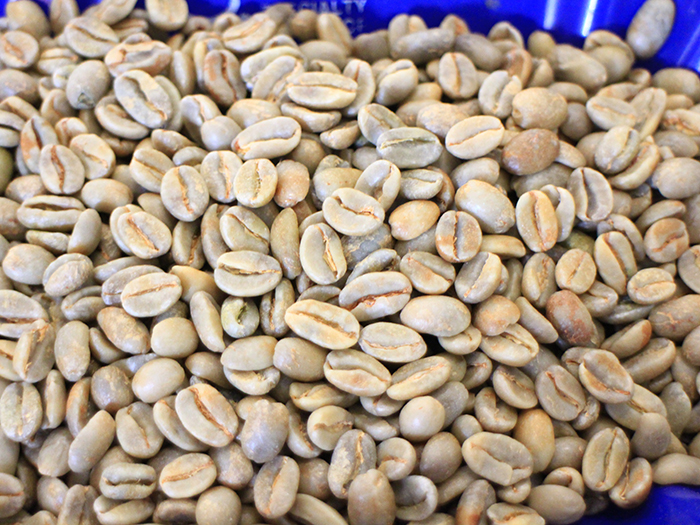
El Salvador Ataisi Manor Pacamara Micro batch 2015 Wholesale Price of imported High quality washed Raw Bean
El Salvador is located in Central America, bordered by Guatemala and Honduras in the north, and the Pacific coastline in the west and south. El Salvador is the smallest country in Central America and the most densely populated country in Central America. Although the territory of El Salvador is small, it has dozens of volcanoes. It is the country with the highest density of volcanoes in the world, so it is called the country of volcanoes. Full

El Salvador boutique coffee producing area Sonsonate province IzaIco region Santa Ana volcano region library
El Salvador boutique coffee is concentrated in the volcanic rock producing areas of Santa Ana in the west and Charantanan fruit in the northwest. In recent years, the top 10 cup tests are almost entirely from these two producing areas, with an altitude of about 9-1500 meters, mainly bourbon (68%). Followed by Pacas (29%), mixed-race Pakamara, Dulaai and Kaddura accounted for only 3%. The coffee harvest season has been held since November.

Kalantan fruit volcanic rock producing area in the northwest of El Salvador coffee producing area
El Salvador boutique coffee is concentrated in the volcanic rock producing areas of Santa Ana in the west and Charantanan fruit in the northwest. In recent years, the top 10 cup tests are almost entirely from these two producing areas, with an altitude of about 9-1500 meters, mainly bourbon (68%). Followed by Pacas (29%), mixed-race Pakamara, Dulaai and Kaddura accounted for only 3%. The coffee harvest season has been held since November.

Full and round El Salvador Himalayan Coffee Flavor describes the characteristics of the manor producing area
Pacamara is the artificial breeding variety of Pacas and Maragogipe. It was first cultivated by researchers in El Salvador in 1958. Pacamara is an excellent variety under rare artificial breeding, which is better than blue, and perfectly inherits the advantages of the mother plant. It not only has the excellent taste of Pacas, but also inherits the large size of Maragogipe, and the bean body is at least like beans.
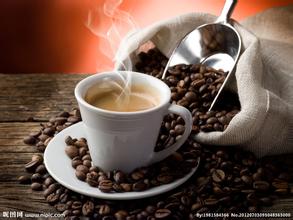
Introduction of varieties in El Salvador Pacamara coffee beans for flavor description and taste production
El Salvador Pacamara coffee bean flavor description taste region varieties introduce coffee varieties civil war caused chaos and affected economic development, but ironically allowed the ancient coffee species to be preserved, the situation is so chaotic that coffee producers in El Salvador failed to catch up with the renewal of coffee varieties in Central and South America. El Salvador produces 100% Arabica coffee, 68% of which are waves.

An introduction to the Salvadoran Coffee producing area in the volcanic Rock producing area of Charantan, Northwest China
El Salvador boutique coffee is concentrated in the volcanic rock producing areas of Santa Ana in the west and Charantanan fruit in the northwest. In recent years, the top 10 cup tests are almost entirely from these two producing areas, with an altitude of about 9-1500 meters, mainly bourbon (68%). Followed by Pacas (29%), mixed-race Pakamara, Dulaai and Kaddura accounted for only 3%. The coffee harvest season has been held since November.

El Pacamara boutique coffee grinding powder hanging ear bag portable open bag brewing single black coffee
Coffee bean details: 1. Country: El Salvador 2. Grade: SHG 3. Production area: Izalco area of Sonsonate province 4. Planting height: 1800 meters 5. Picking season: January 6. Treatment: washing and fermentation, sun drying 7. Variety: Pakamara 8. Manor: Finca Ataisi 9. Flavor: nut chocolate, passion fruit, cream, strawberry El Salvador is located in Central America, north

Introduction to the quality characteristics of El Salvador Coffee Bean Flavor description treatment
In El Salvador, the coffee beans rich in the Kuskabapa region are the best, slightly lighter, fragrant, pure and slightly sour. Like Guatemala and Costa Rica, coffee in El Salvador is graded according to altitude, and the higher the altitude, the better the coffee. The best brand is Pip, whose quality has been recognized by the American Organic Certification Society. In addition

Introduction of coffee from the Santa Ana volcano area of El Salvador with excellent thickness and grease.
El Salvador boutique coffee is concentrated in the volcanic rock producing areas of Santa Ana in the west and Charantanan fruit in the northwest. In recent years, the top 10 cup tests are almost entirely from these two producing areas, with an altitude of about 9-1500 meters, mainly bourbon (68%). Followed by Pacas (29%), mixed-race Pakamara, Dulaai and Kaddura accounted for only 3%. The coffee harvest season has been held since November.